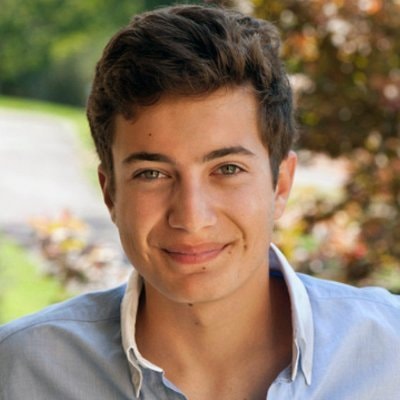
Nick Marwell

Nick Marwell

x.com/the_marwell

Anthropic researcher who works on reinforcement learning and discusses AI’s benefits, labor disruption and safeguards against misuse.

Bagaimana AI akan mengubah dunia?

Perubahan peradabanPerubahan bertahapDoomBloom
Posisi simulasiRentang interpretasi

Mendatar: pandangan Doom–Bloom yang ia ungkapkan. Ke atas: skala transformasi.

Doom–Bloom: 69 dari 100. Skala transformasi: 69 dari 100. Rentang interpretasi: 64 hingga 75 secara horizontal, 50 hingga 75 secara vertikal. Ini adalah koordinat interpretasi, bukan probabilitas kejadian.

P(doom) Nick Marwell · disimpulkan

≈8%

0%100%

Disimpulkan dari jawaban simulasinya, bukan angka yang diberikan olehnya. Rentang yang masuk akal: 3–20%.

Hal-hal yang menentukan pandangannya

Asumsi utama

AI can improve society substantially, but realizing that potential requires safeguards before dangerous capabilities are released and genuine government involvement in deployment decisions.
Jawaban 2

Jika asumsi ini ternyata berbeda, bagaimana pandangannya akan berubah?

Detail lebih lanjut

Manfaat yang diperkirakan

Manfaat transformatif yang bernilai luas diperkirakan akan terwujud.

88 / 100

Dampak kecilDampak transformatif

Rentang interpretasi 67 hingga 100 pada skala kualitatif.

Kerugian yang diperkirakan

Kerugian parah atau meluas merupakan bagian yang berarti dari masa depan yang diperkirakan.

66 / 100

Dampak kecilDampak transformatif

Rentang interpretasi 67 hingga 67 pada skala kualitatif.

Pengaruh manusia

Pilihan manusia dapat mengarahkan ulang lintasan AI secara signifikan.

66 / 100

Sedikit pengaruhPengaruh kuat

Rentang interpretasi 48 hingga 77 pada skala kualitatif.

Laju pengembangan

Hentikan atau perlambat secara signifikan pengembangan AI yang lebih mampu.

Posisi simulasi: Lanjutkan pengembangan dengan perlindungan yang telah ditetapkan.

Percepat pengembangan AI yang lebih mampu.

Interpretasi ini mempertahankan kondisi yang dinyatakannya. Manfaat dan kerugian dapat sama-sama besar. Rentang tersebut menggambarkan cara kami membaca jawaban simulasinya, bukan interval kepercayaan statistik.

Di mana posisi Anda dibandingkan dengan Nick Marwell?
Petakan pandangan dunia AI Anda sendiri dalam waktu sekitar 3 menit, lalu bandingkan

Pandangan dunia serupa

Pemimpin opini dengan pandangan dunia simulasi yang paling mendekati pandangan Nick Marwell

Penilaian Simulasi

Pertanyaan 1

Menurut Anda, apa arti AI bagi masa depan kita—dan mengapa?

I think AI could produce very large and broadly shared benefits, especially in biology. It may help researchers understand complex systems, discover useful interventions, and move faster on problems that have resisted traditional methods. That is an expectation about where the technology is heading, though—not a claim that all those benefits have already materialized. The transition could also be extremely volatile. Today, AI often complements workers: it makes a person more productive, which can increase demand for that person’s work. But that does not prove the job is secure. If models eventually perform the task without a human partner, complementarity can turn into displacement. A slower diffusion over ten or twenty years could create substantial opportunities for generalists who help organizations adopt AI, but that career advice depends on the transition actually unfolding that way. There is also a serious dual-use problem. The same capabilities that help identify software vulnerabilities or advance biological research can help attackers. So access to beneficial tools has to be paired with safeguards that prevent malicious use before powerful systems are released. I do not think those decisions should be left entirely to private companies. Government needs to be informed and involved in choices about developing and deploying critical, potentially dangerous technology, so the public has representation in shaping the future.


Pertanyaan 2

Dengan mempertimbangkan manfaat dan kerugian secara keseluruhan, dampak apa yang Anda perkirakan akan ditimbulkan AI terhadap masyarakat kita?

Overall, I expect AI’s benefits could be enormous, particularly in biology, but I do not think that makes the social transition automatically positive. The outcome depends heavily on how quickly capabilities improve, how widely they diffuse, and whether institutions can manage labor displacement and dual-use risks. There is a plausible period in which AI raises productivity and creates demand for people who help organizations adopt it. But that may be temporary: once systems no longer need a human partner for many tasks, unemployment could become a serious problem. At the same time, biological and cyber capabilities could generate broad public benefits or empower malicious actors. So my expectation is not a simple utopian or catastrophic one. AI can improve society substantially, but realizing that potential requires safeguards before dangerous capabilities are released and genuine government involvement in deployment decisions. The technology’s upside is very large; whether society captures it without severe disruption is a governance and transition problem, not something technical progress resolves by itself.

Pertanyaan 3

Menurut Anda, seberapa besar AI pada akhirnya akan mengubah dunia?

I think it could change the world very substantially. Biology alone could bring powerful, broadly distributed benefits by accelerating research and helping us tackle problems that have resisted existing methods. At the same time, AI may reshape much of the labor market: today’s productivity gains can create demand for workers, but that relationship may reverse once models no longer need a human partner. The scale of change will also depend on diffusion. If adoption takes ten or twenty years, there may be a long period of opportunity for people helping organizations integrate these systems. A faster transition could be much more disruptive. And because advanced biological and cyber capabilities are dual-use, the impact will be determined partly by whether malicious applications can be prevented before release. So I expect profound change, but technology alone does not determine whether that change is broadly beneficial. Safeguards, government participation, and public representation in deployment decisions will matter enormously.

Pertanyaan 4

Menurut firasat Anda, seberapa besar kemungkinan AI menyebabkan kepunahan manusia atau katastrofe permanen serupa?

I don’t have a personal numerical probability I can responsibly give. My concrete concern is that advanced biological and cyber capabilities are dual-use: the same systems that help researchers or defenders can also empower malicious actors. Even without assigning an extinction percentage, that is serious enough to justify preventing dangerous uses before release and involving government and the public in deployment decisions.

Pertanyaan 5

Apakah Anda cenderung berpandangan bahwa AI akan menghasilkan lebih banyak kebaikan daripada keburukan, atau apakah Anda benar-benar bimbang?

I lean toward AI doing more good than bad, largely because the potential benefits in biology are so substantial and broadly distributed. But that is not confidence that the transition will go smoothly. Serious unemployment, biological misuse, and cyber misuse could make parts of it highly damaging. So I am optimistic about what the technology can ultimately deliver, while genuinely concerned about how we get there. That positive outcome depends on safeguards before dangerous capabilities are released, government participation, and responsible management of labor disruption.

Sumber

Artikel, wawancara, dan tulisan yang digunakan sebagai landasan bagi pengguna simulasi ini.

Di mana posisi Anda?
Jelajahi pandangan dunia AI Anda sendiri dengan menjawab beberapa pertanyaan sederhana.
Petakan pandangan dunia Anda sendiri

Di mana posisi Anda?

Petakan pandangan dunia saya