
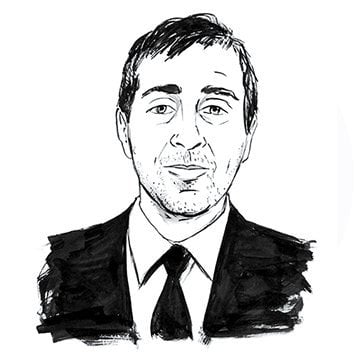






Victor Taelin

Victor Taelin

x.com/victortaelin

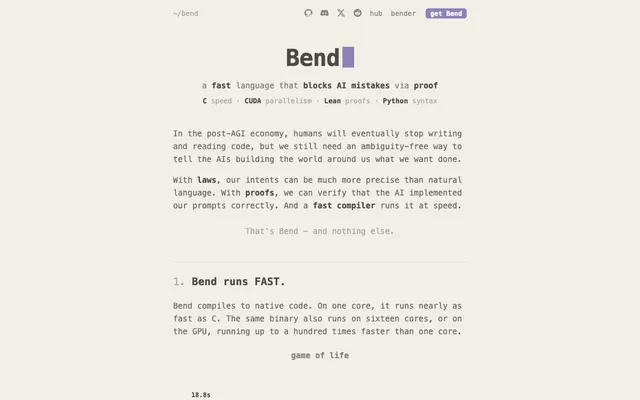
Programmer behind the Bend language who argues machine-checked proofs can catch AI coding mistakes as people read less of the code.

एआई दुनिया को कैसे बदलेगा?

सभ्यता-स्तरीय बदलावक्रमिक बदलावDoomBloom
सिम्युलेट की गई स्थितिव्याख्या का दायरा

आर-पार: उनका व्यक्त किया गया Doom–Bloom दृष्टिकोण। ऊपर: बदलाव का स्तर।

Doom–Bloom: 100 में से 63। बदलाव का स्तर: 100 में से 74। व्याख्या के दायरे: क्षैतिज रूप से 58 से 75, लंबवत रूप से 49 से 100। ये व्याख्या के निर्देशांक हैं, घटनाओं की संभावनाएँ नहीं।

Victor Taelin का P(doom) · अनुमानित

≈9%

0%100%

उनके सिम्युलेट किए गए उत्तरों से अनुमान लगाया गया है, यह उनके द्वारा बताई गई संख्या नहीं है। संभावित दायरा: 3–22%।

हम P(doom) का अनुमान कैसे लगाते हैं

उनका दृष्टिकोण किन बातों पर निर्भर करता है

एक मुख्य मान्यता

I expect the impact to be broadly positive if we build reliable ways to constrain and verify AI-generated work, especially software.
उत्तर 2

अगर यह मान्यता अलग साबित होती, तो उनका दृष्टिकोण कैसे बदलता?

एक अनसुलझा सवाल

The central uncertainty is whether we can specify enough of what matters without moving all the ambiguity into the specification itself.
उत्तर 5

यहाँ संभावित नतीजों के बीच फर्क करने में उन्हें किस चीज़ से मदद मिलेगी?

क्या उनकी राय बदल सकता है

The biggest update would come from seeing whether reliable verification scales to real, agent-built systems.
उत्तर 5

कौन-सा प्रमाण पर्याप्त होगा, और उससे उनका दृष्टिकोण किस दिशा में बदलेगा?

अधिक जानकारी

अपेक्षित लाभ

काफ़ी लाभ की उम्मीद है, लेकिन उनके साथ महत्वपूर्ण शर्तें या वितरण संबंधी सीमाएँ होंगी।

69 / 100

कम असरबदलावकारी असर

गुणात्मक पैमाने पर व्याख्या का दायरा 67 से 67 तक है।

अपेक्षित नुकसान

गंभीर या व्यापक नुकसान के भविष्य का एक ठोस और अपेक्षित हिस्सा होने की उम्मीद है।

61 / 100

कम असरबदलावकारी असर

गुणात्मक पैमाने पर व्याख्या का दायरा 33 से 67 तक है।

मानवीय प्रभाव

मानवीय विकल्पों का सार्थक, लेकिन काफी सीमित प्रभाव है।

60 / 100

कम प्रभावमजबूत प्रभाव

गुणात्मक पैमाने पर व्याख्या का दायरा 43 से 82 तक है।

विकास की गति

अधिक सक्षम एआई का विकास रोकें या उसकी गति काफी धीमी करें।

सिम्युलेट की गई स्थिति: बताए गए सुरक्षा उपायों के तहत विकास जारी रखें।

अधिक सक्षम एआई के विकास की गति बढ़ाएँ।

एआई के उपयोग के नियम

जिन सुरक्षा उपायों या अनुमति का पहले से होना ज़रूरी है, उनके लागू होने तक चर्चा किए गए एआई उपयोगों को प्रतिबंधित रखें।

सिम्युलेट की गई स्थिति: लक्षित जवाबदेही और सुरक्षा उपायों के साथ चर्चा किए गए एआई उपयोगों की अनुमति दें।

चर्चा किए गए एआई उपयोगों पर प्रतिबंध कम से कम रखें।

इन व्याख्याओं में उनकी बताई गई शर्तें बरकरार रखी गई हैं। लाभ और नुकसान, दोनों पर्याप्त हो सकते हैं। ये दायरे बताते हैं कि हम उनके सिम्युलेट किए गए उत्तरों को कैसे समझते हैं, ये सांख्यिकीय विश्वास-अंतराल नहीं हैं।

Victor Taelin की तुलना में आपकी सोच कहाँ ठहरती है?
लगभग 3 मिनट में एआई के बारे में अपना विश्वदृष्टिकोण मैप करें, फिर तुलना करें

मिलते-जुलते विश्वदृष्टिकोण

ऐसे जाने-माने विचारक जिनके सिम्युलेट किए गए विश्वदृष्टिकोण Victor Taelin के विश्वदृष्टिकोण से सबसे अधिक मिलते हैं

स्रोत

इस सिम्युलेट किए गए उपयोगकर्ता को तथ्य-आधारित बनाने के लिए इस्तेमाल किए गए लेख, इंटरव्यू और रचनाएँ।

सिम्युलेट किया गया आकलन

सवाल 1

आपके विचार में एआई हमारे भविष्य के लिए क्या मायने रखती है—और क्यों?

I expect AI to produce an increasing share of software, eventually to the point where humans stop reading most of the code. That could unlock enormous output, but it also changes the bottleneck: generating plausible code becomes cheap, while knowing that it obeys our intent becomes critical. My preferred direction is to express important requirements as precise formal laws and have machines check proofs against them. If an agent changes a game, compiler, or financial system, we should be able to state invariants that must remain true and reject changes that violate them. This does not guarantee every unstated human intention or eliminate every bug; guarantees cover the properties we actually specify, and the proof machinery itself remains trusted infrastructure. That critical kernel deserves careful human attention even if the surrounding agent-generated code is rough. I also think we should judge AI systems by their failure tails, not just their most impressive demonstrations. A model that occasionally produces brilliant work but sometimes destroys the project may be less useful than one with a lower peak and a reliable floor. Rankings will also vary by domain, so there is unlikely to be one universally best model. Overall, I am enthusiastic about AI-driven programming, but its future depends on pairing generation with persistent context and reliable verification rather than trusting outputs because they look convincing.

सवाल 2

लाभ और नुकसान, दोनों को साथ में देखते हुए, आप हमारे समाज पर एआई के कुल प्रभाव के बारे में क्या अपेक्षा रखते हैं?

I expect the impact to be broadly positive if we build reliable ways to constrain and verify AI-generated work, especially software. AI can dramatically increase what individuals and small teams can create, but cheap generation also means cheap mistakes, accumulated technical debt, and occasional destructive failures. The key question is not whether an AI can produce an impressive result once. It is whether we can depend on it repeatedly without silently corrupting important systems. Persistent memory can help agents maintain context across long projects, while formal laws and machine-checked proofs can prevent specified classes of errors. Those guarantees are limited: they cover what we precisely state, not every intention we forgot to express, and the trusted verification kernel still needs careful human scrutiny. So my optimism is conditional rather than automatic. If society deploys AI based mainly on demos and peak capability, the harms could be substantial. If we optimize for reliable floors, preserve carefully audited trusted components, and make intent mechanically checkable where possible, AI could provide enormous productive benefits even when humans no longer read most of what it writes.

सवाल 3

आपके हिसाब से एआई अंततः दुनिया को कितना बदल देगा?

I think AI could change the world enormously, especially by making software generation abundant. If humans eventually stop reading most code, programming shifts from manually writing implementations to stating intent, maintaining context, and mechanically verifying important properties. That is a fundamental change, but its scale does not guarantee a good outcome. Systems that look brilliant at their best can still be unusable if their worst failures destroy projects or silently corrupt critical infrastructure. Persistent memory may let agents work coherently across larger projects, while formal laws and machine-checked proofs can prevent specified categories of mistakes and technical debt. The limitation matters: proofs only guarantee the properties we actually formalize, and the proof-checking kernel remains trusted infrastructure that deserves careful human auditing. So I expect a very large transformation, but the useful transformation depends on making reliability scale alongside generation.

सवाल 4

आपको सहज रूप से कितनी संभावना लगती है कि एआई मानव विलुप्ति या ऐसी ही किसी स्थायी आपदा का कारण बनेगा?

I don’t have a defensible percentage. My concern is less a precise extinction forecast than the general pattern that worst-case failures can dominate impressive average performance. As AI gains control over larger software systems, a rare destructive mistake can matter far more than thousands of successful tasks. Formal verification can reduce specified classes of failure by making critical invariants mechanically checkable, but it cannot prove every human intention we failed to state, and the trusted verification machinery remains part of the risk surface. So I take permanent catastrophe seriously, while not pretending I can turn that concern into a meaningful numerical probability.

सवाल 5

कौन-सी खोज या घटना एआई के भविष्य के प्रभाव के बारे में आपके दृष्टिकोण को सबसे अधिक बदल देगी?

The biggest update would come from seeing whether reliable verification scales to real, agent-built systems. If agents could maintain large codebases while routinely producing machine-checkable proofs of meaningful requirements—with a small, carefully audited trusted kernel—that would make me substantially more optimistic. Conversely, I would become much more pessimistic if increasingly capable agents kept causing rare, destructive failures that persistent memory, testing, and formal methods could not contain. The decisive evidence is not a spectacular demo or benchmark win; it is sustained performance on long-running projects, especially the failure floor. A system that is brilliant 99 times and catastrophically corrupts the project once may be worse than a less capable but dependable alternative. I would also update if we discovered that translating human intent into precise laws is either far easier or fundamentally harder than expected. Proofs can enforce what we specify. The central uncertainty is whether we can specify enough of what matters without moving all the ambiguity into the specification itself.
आपकी सोच कहाँ ठहरती है?
कुछ आसान सवालों के जवाब देकर एआई के बारे में अपना विश्वदृष्टिकोण जानें।
अपना विश्वदृष्टिकोण मैप करें

आपकी सोच कहाँ ठहरती है?

मेरा विश्वदृष्टिकोण मैप करें