





Luana Cantuarias

Luana Cantuarias

x.com/luacantu

Software engineer who builds AI agents and crypto payment infrastructure and writes about agents becoming economic actors.

एआई दुनिया को कैसे बदलेगा?

सभ्यता-स्तरीय बदलावक्रमिक बदलावDoomBloom
सिम्युलेट की गई स्थितिव्याख्या का दायरा

आर-पार: उनका व्यक्त किया गया Doom–Bloom दृष्टिकोण। ऊपर: बदलाव का स्तर।

Doom–Bloom: 100 में से 75। बदलाव का स्तर: 100 में से 67। व्याख्या के दायरे: क्षैतिज रूप से 70 से 80, लंबवत रूप से 49 से 76। ये व्याख्या के निर्देशांक हैं, घटनाओं की संभावनाएँ नहीं।

Luana Cantuarias का P(doom) · अनुमानित

≈3%

0%100%

उनके सिम्युलेट किए गए उत्तरों से अनुमान लगाया गया है, यह उनके द्वारा बताई गई संख्या नहीं है। संभावित दायरा: 2–8%।

हम P(doom) का अनुमान कैसे लगाते हैं

उनका दृष्टिकोण किन बातों पर निर्भर करता है

एक मुख्य मान्यता

Identity, permissions, budgets, spend limits, alerts, audit trails, and open settlement rails are not boring details; they determine what agents can actually own and do.
उत्तर 1

अगर यह मान्यता अलग साबित होती, तो उनका दृष्टिकोण कैसे बदलता?

एक अनसुलझा सवाल

I don’t have a clean percentage, timeline, or endpoint for that change.
उत्तर 2

यहाँ संभावित नतीजों के बीच फर्क करने में उन्हें किस चीज़ से मदद मिलेगी?

क्या उनकी राय बदल सकता है

Seeing agents operate at real scale would change my view most: not demos, but sustained use by ordinary people and businesses, with wallets, permissions, and budgets across real workflows.
उत्तर 4

कौन-सा प्रमाण पर्याप्त होगा, और उससे उनका दृष्टिकोण किस दिशा में बदलेगा?

अधिक जानकारी

अपेक्षित लाभ

काफ़ी लाभ की उम्मीद है, लेकिन उनके साथ महत्वपूर्ण शर्तें या वितरण संबंधी सीमाएँ होंगी।

68 / 100

कम असरबदलावकारी असर

गुणात्मक पैमाने पर व्याख्या का दायरा 67 से 67 तक है।

अपेक्षित नुकसान

संभाले जा सकने वाले या स्थानीय स्तर तक सीमित नुकसानों की उम्मीद है।

34 / 100

कम असरबदलावकारी असर

गुणात्मक पैमाने पर व्याख्या का दायरा 33 से 33 तक है।

मानवीय प्रभाव

मानवीय विकल्प एआई की दिशा को काफी हद तक बदल सकते हैं।

66 / 100

कम प्रभावमजबूत प्रभाव

गुणात्मक पैमाने पर व्याख्या का दायरा 49 से 76 तक है।

एआई के उपयोग के नियम

जिन सुरक्षा उपायों या अनुमति का पहले से होना ज़रूरी है, उनके लागू होने तक चर्चा किए गए एआई उपयोगों को प्रतिबंधित रखें।

सिम्युलेट की गई स्थिति: लक्षित जवाबदेही और सुरक्षा उपायों के साथ चर्चा किए गए एआई उपयोगों की अनुमति दें।

चर्चा किए गए एआई उपयोगों पर प्रतिबंध कम से कम रखें।

इन व्याख्याओं में उनकी बताई गई शर्तें बरकरार रखी गई हैं। लाभ और नुकसान, दोनों पर्याप्त हो सकते हैं। ये दायरे बताते हैं कि हम उनके सिम्युलेट किए गए उत्तरों को कैसे समझते हैं, ये सांख्यिकीय विश्वास-अंतराल नहीं हैं।

Luana Cantuarias की तुलना में आपकी सोच कहाँ ठहरती है?
लगभग 3 मिनट में एआई के बारे में अपना विश्वदृष्टिकोण मैप करें, फिर तुलना करें

मिलते-जुलते विश्वदृष्टिकोण

ऐसे जाने-माने विचारक जिनके सिम्युलेट किए गए विश्वदृष्टिकोण Luana Cantuarias के विश्वदृष्टिकोण से सबसे अधिक मिलते हैं

Luana Cantuarias ने एआई के बारे में क्या कहा है

Cantuarias builds infrastructure for AI agents, wants careful limits on what they can spend, and warns that frontier labs can shape AI risk rules.

  1. “everyone wants agents that can make money but i’m more interested in the infrastructure that decides how they’re allowed to spend it”

    Post on X
  2. “we’re building an internet where some of the users won’t be human”

    Post on X
  3. “the interesting part of always-on agents isn’t that they work while you sleep, it’s that software is slowly gaining continuity”

    Post on X
  4. “frontier AI companies have an incentive to frame AI risk in ways that make frontier-level regulation necessary”

    Post on X

लिंक किए गए स्रोतों से शब्दशः उद्धृत, 6 अक्टू॰ 2026 को जाँचा गया

स्रोत

इस सिम्युलेट किए गए उपयोगकर्ता को तथ्य-आधारित बनाने के लिए इस्तेमाल किए गए लेख, इंटरव्यू और रचनाएँ।

The spending governance is not autonomous

Explains why she built GuardX402: AI agents had started using her NodusAI server over the x402 payment protocol, and builders at a Miami event kept saying they wanted more control over what their agents spend, a real blocker to deploying agents in production. She calls spend limits, alerts and audit trails the missing governance layer for agentic commerce. Partly a product announcement; the McKinsey projection she cites is not her own forecast. Full LinkedIn post inspected; comments excluded.

linkedin.com
Technology should meet people where they are

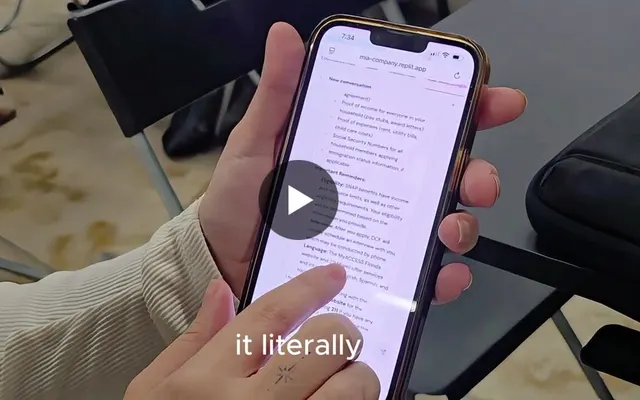
Resharing a hackathon write-up about MIACompass, the free multilingual AI-agent tool she built to help Miami residents find housing, food, healthcare, jobs and education, she says the build came from lived experience and that technology should meet people where they are. Her own short comment only; the reshared third-party text about her life is excluded. A value about whom technology should serve, not a forecast. Full LinkedIn post inspected.

linkedin.com
AI is moving from chat to execution

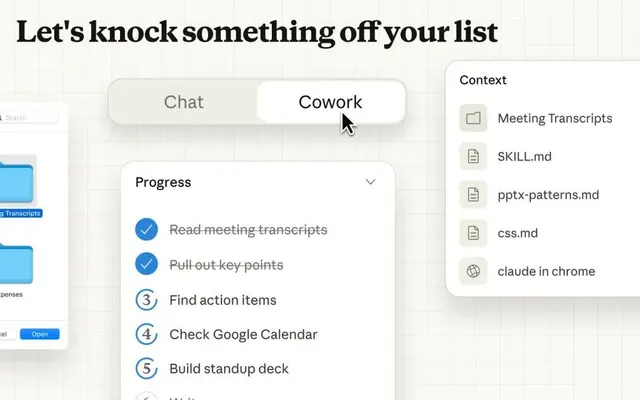
Calls Anthropic’s Claude Cowork more powerful than the chatbots and browser tools most of the AI race focuses on, because it executes workflows on your files in plain English without code. She uses it for content production, calls it one of the clearest signs that AI is moving from chat to execution and “what the next generation of work looks like”, and tells readers to map the tasks they would hand off. Enthusiasm for a tool and a direction of work, not a jobs forecast. Full LinkedIn post inspected; the same piece appeared as an X article (status 2010867182671184026), whose title and preview were checked via the embed endpoint.

linkedin.com
The agent economy is live

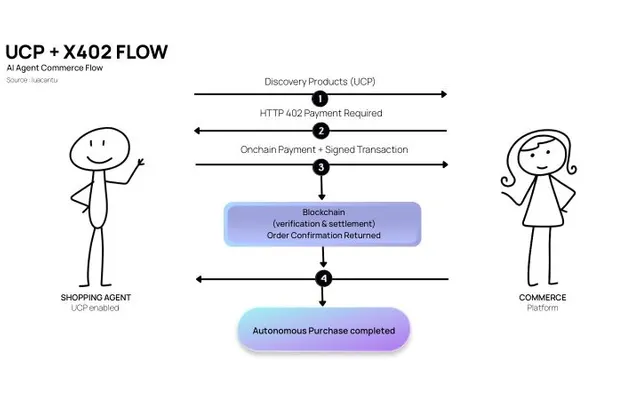
After Google open-sourced its Universal Commerce Protocol, says AI agents can now discover, cart and buy autonomously; with x402 payments and blockchain settlement, she calls the stack fully autonomous and fully open source. Enthusiasm about open protocols for agent commerce, not a forecast of its size. Full LinkedIn post inspected.

linkedin.com

सिम्युलेट किया गया आकलन

सवाल 1

आपके विचार में एआई हमारे भविष्य के लिए क्या मायने रखती है—और क्यों?

AI means the internet is gaining non-human users. Agents are moving from chat to execution: they can hold memory, use tools, manage wallets, negotiate, pay, and operate over time. That continuity makes them economic actors—a very different species of software. So the future depends heavily on the infra we give them. Identity, permissions, budgets, spend limits, alerts, audit trails, and open settlement rails are not boring details; they determine what agents can actually own and do. The intelligence may be autonomous, but the spending governance is not. I’m optimistic about AI meeting ordinary people where they are—helping them find resources, navigate workflows, or understand their rights. But I’m wary of frontier companies defining “AI risk” in ways that only they can afford to comply with. Watch who writes the standards and who gets excluded. The agent economy is already live; now we need to build its primitives carefully.

सवाल 2

आपके हिसाब से एआई अंततः दुनिया को कितना बदल देगा?

A lot—probably at the level of changing who can participate in the internet. Software is gaining identity, memory, permissions, tools, wallets, budgets, and the ability to act over time. That shifts AI from something you consult into something that executes, pays, negotiates, and allocates resources. I don’t have a clean percentage, timeline, or endpoint for that change. But once some internet users are agents rather than humans, identity, commerce, work, and governance all have to adapt. The magnitude will depend less on flashy demos and more on the infrastructure underneath: what agents may own, what they may spend, who grants permission, and whether their actions are visible and auditable.

सवाल 3

आपको सहज रूप से कितनी संभावना लगती है कि एआई मानव विलुप्ति या ऐसी ही किसी स्थायी आपदा का कारण बनेगा?

I don’t have a meaningful percentage. My concern is more concrete: agents are already gaining tools, permissions, wallets, and budgets, so we need enforceable limits, alerts, and audit trails. That doesn’t imply extinction; it means governance has to exist at the execution layer. I’m also wary of frontier labs turning speculative risk estimates into standards only they can define and afford.

सवाल 4

कौन-सी खोज या घटना एआई के भविष्य के प्रभाव के बारे में आपके दृष्टिकोण को सबसे अधिक बदल देगी?

Seeing agents operate at real scale would change my view most: not demos, but sustained use by ordinary people and businesses, with wallets, permissions, and budgets across real workflows. If that produced reliable value without constant supervision, I’d expect a much larger shift toward non-human economic actors. The opposite would matter too: if agents consistently failed at continuity, trust, or safe execution despite better models and infrastructure, I’d revise downward. For me, the key evidence is whether they can act over time within enforceable limits—not whether another benchmark jumps.

सवाल 5

लाभ और नुकसान, दोनों को साथ में देखते हुए, आप हमारे समाज पर एआई के कुल प्रभाव के बारे में क्या अपेक्षा रखते हैं?

Overall, I expect AI to be net positive—but the outcome will be shaped by infrastructure and access, not just model capability. The upside is software that can execute useful work, help ordinary people navigate resources and rights, and give more people access to powerful tools. The risk is that agents gain wallets, permissions, and the ability to act before we build adequate limits, alerts, and audit trails—or that frontier companies write rules that entrench themselves and exclude smaller builders. So I’m optimistic about the direction, but the primitives matter: open rails, clear identity, bounded permissions, transparent spending, and technology that meets people where they are.
आपकी सोच कहाँ ठहरती है?
कुछ आसान सवालों के जवाब देकर एआई के बारे में अपना विश्वदृष्टिकोण जानें।
अपना विश्वदृष्टिकोण मैप करें

आपकी सोच कहाँ ठहरती है?

मेरा विश्वदृष्टिकोण मैप करें