Pregunta 1
Naomi Klein
Author websiteAuthor and climate advocate who links AI expansion to corporate power, labor and environmental harms.
¿Cómo cambiará la IA el mundo?
Horizontal: su perspectiva Doom–Bloom expresada. Vertical: escala de la transformación.
Doom–Bloom: 24 de 100. Escala de la transformación: 67 de 100. Rangos de interpretación: de 19 a 29 en horizontal y de 45 a 80 en vertical. Son coordenadas de interpretación, no probabilidades de eventos.
≈4%
Inferido a partir de sus respuestas simuladas, no de un número que haya dado. Rango plausible: 2–10%.
Un supuesto central
I think AI’s future will be determined less by some abstract trajectory of machine intelligence than by who owns it, who profits from it, and who is made to absorb its costs.Respuesta 1
Si este supuesto resultara distinto, ¿cómo cambiaría su perspectiva?
Qué podría hacer cambiar de opinión
What would most change my view is not a spectacular laboratory demonstration but a political rupture: workers and affected communities gaining enforceable power over how AI is built and deployed.Respuesta 4
¿Qué evidencia bastaría y en qué dirección movería su visión?
Más detalles
Se esperan beneficios limitados o con una distribución restringida.
37 / 100
Rango de interpretación de 33 a 67 en la escala cualitativa.
Se espera que los daños graves o generalizados sean una parte significativa del futuro.
67 / 100
Rango de interpretación de 67 a 67 en la escala cualitativa.
Las decisiones humanas son decisivas: futuros muy distintos para la IA siguen a nuestro alcance colectivo.
92 / 100
Rango de interpretación de 75 a 100 en la escala cualitativa.
Estas interpretaciones conservan las condiciones que se indicaron. Los beneficios y los daños pueden ser considerables a la vez. Los rangos describen cómo leemos sus respuestas simuladas, no intervalos de confianza estadísticos.
Visiones similares
Líderes de opinión cuyas visiones simuladas son las más cercanas a la de Naomi Klein
Lo que Naomi Klein ha dicho sobre la IA
Klein links AI expansion to corporate power, labor and climate harms, and argues for human judgment and collective political action.
“Big Tech and Big Oil have effectively fused into an entity we might think of as Fossil Tech.”
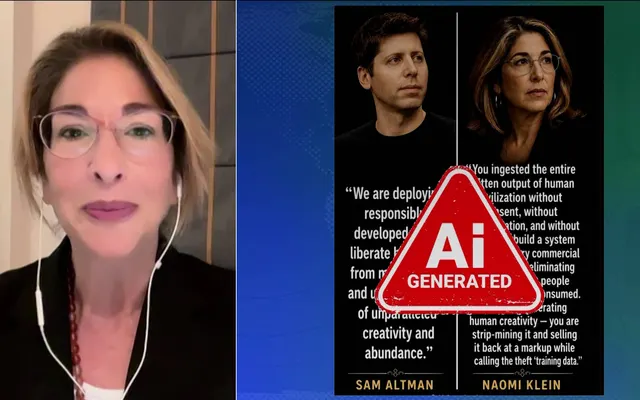
Patterns, coauthored essay with Astra Taylor “Trouble is, both my image and my quote are AI-generated”
Patterns, Welcome to my Substack “These technologies are the greatest threat to working class people.”
Capital & Main, interview with Cerise Castle
Citas textuales de las fuentes enlazadas, comprobadas el 3 oct 2026
Evaluación simulada
Fuentes
Artículos, entrevistas y textos usados para fundamentar a este usuario simulado.
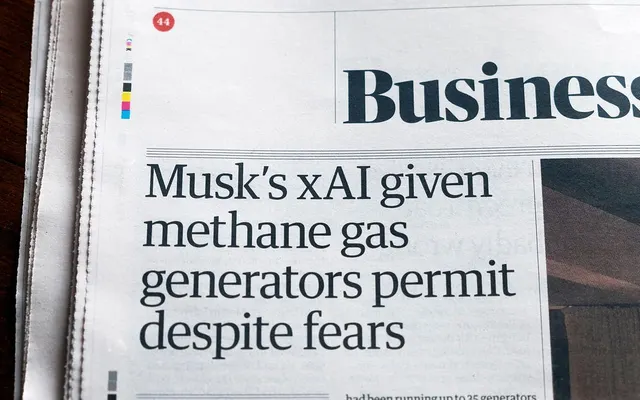
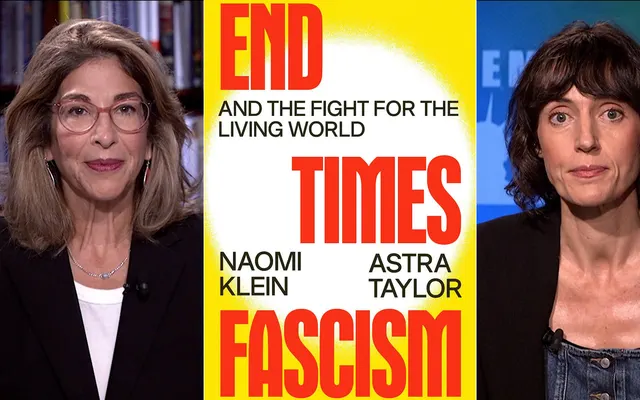
Coauthored book excerpt, republished in full after its September 12 Globe and Mail appearance. Argues the AI infrastructure race is renewing fossil-fuel extraction and harming neighboring communities, with Memphis as a case. Rejects promises that future AI will automatically undo present environmental damage. Industry quotations remain evidence she critiques, not her own forecasts.

Challenges industry deregulation and self-oversight; use only Klein’s named turns.

Authored essay defends human thinking and collective sense-making against treating intelligence as a purchased utility. Describes a viral fabricated quotation and portrait that fooled even her; she agrees with its sentiment but expressly denies authorship. Links AI impersonation to pattern extraction from people without consent.

Corrects fabricated words and circular AI sourcing; seeks labeling. Exclude host paraphrases.

Full direct interview inspected. Connects tech-billionaire influence with threats to workers and a political betrayal of job promises. Identifies extreme wealth concentration as a source of authoritarian power. Advocates building coalitions through shared concerns and relationships of trust rather than assuming every political opponent is unreachable.

Critiques elite escape fantasies and advocates broad coalitions committed to this world and its future.

¿Dónde te ubicas?
Mapear mi visión de la IA