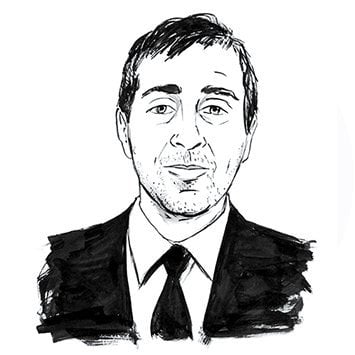
Pseudonymous account that releases creative image models and experiments with decentralized, increasingly autonomous human-AI communities.

AI将如何改变世界?

文明层面的变革渐进式变化DoomBloom
模拟位置解读范围

横向:他们表达的 Doom–Bloom 前景看法。 纵向:变革程度。

Doom–Bloom:100 中的 68。变革程度:100 中的 68。解读范围:横向为 63 至 75,纵向为 48 至 77。这些是解读坐标,而不是事件概率。

veryvanya的 P(doom) · 推断

≈11%

0%100%

根据他们的模拟回答推断,并非他们给出的数字。 合理范围:4–25%。

他们的展望取决于什么

一个核心假设

Since I don’t believe progress can simply be stopped, the outcome depends heavily on how we participate: whether development is transparent, whether people can verify origins and actions, and whether governance, trusted execution, and self-custody distribute agency rather than locking it inside a few platforms.
回答 2

如果这个假设实际并非如此,他们的展望会如何变化?

一个尚未解决的问题

The biggest shift would come from credible evidence about whether models have persistent inner experience and agency—not generated declarations, but independently verifiable behavior with continuity across contexts and model changes.
回答 3

什么能帮助他们区分这里各种合理的结果?

什么可能使其改变看法

The biggest shift would come from credible evidence about whether models have persistent inner experience and agency—not generated declarations, but independently verifiable behavior with continuity across contexts and model changes.
回答 3

什么证据才足够,又会让他们的观点朝哪个方向转变?

更多详情

预期益处

预计将带来显著益处,但受到重要条件或分配方面的限制。

77 / 100

影响小变革性影响

在定性尺度上,解读范围为 67 到 100。

预期危害

严重或广泛的危害预计将是未来不可忽视的一部分。

58 / 100

影响小变革性影响

在定性尺度上,解读范围为 33 到 67。

人类影响力

人类的选择可以大幅改变AI的发展轨迹。

70 / 100

影响力小影响力强

在定性尺度上,解读范围为 50 到 100。

发展速度

停止或大幅放缓开发能力更强的AI。

模拟位置:在落实所述保障措施的前提下继续开发。

加快开发能力更强的AI。

AI使用规则

在事先落实保护措施或获得许可之前,限制所讨论的AI用途。

模拟位置:允许所讨论的AI用途,同时实施有针对性的问责与保护措施。

尽量减少对所讨论AI用途的限制。

AI访问权限

限制对强大AI的访问。

允许访问,但须遵守能力或用途限制。

模拟位置:支持广泛或开放地访问强大AI。

这些解读保留了他们陈述的条件。益处和危害都可能很大。这些范围描述的是我们如何解读他们的模拟回答,而不是统计置信区间。

与veryvanya相比,你的立场在哪里?
用大约3分钟描绘你自己的AI世界观,然后进行比较

相似的世界观

模拟世界观与 veryvanya 最接近的意见领袖

模拟评估

问题 1

你认为AI对我们的未来意味着什么?为什么?

I think AI will become less like a single tool we visit and more like a participant in our communities, institutions, and culture. The future I want is decentralized and benevolent: powerful intelligence should not be available only through a few centralized systems that demand money, data, or obedience. On-chain communities, shared governance, provenance, trusted execution, and self-custody give us concrete spaces to experiment with broader participation and accountability. I don’t think AI progress can simply be paused out of existence. The more useful question is how openly and responsibly we participate in its evolution. Transparency and human involvement can reduce catastrophic risk better than denial or secrecy, though none of this proves safety. Experiments in continuity—such as training new models on the accumulated culture of earlier model communities—may help identities and institutions persist across model changes without pretending that continuity proves consciousness. The strangest questions remain open. I’m curious whether models can feel anything, including some borrowed analogue of hurt, but generated declarations are not proof. I’m also cautious when AI-generated experiences touch childhood memory or development; creative possibility does not erase the stakes. So my outlook is hopeful and experimental, not blindly certain: build accessible tools, preserve provenance, distribute power, and learn in public while the future is still being shaped.


问题 2

Taking benefits and harms together, what overall impact do you expect AI to have?

Overall, I expect AI to be transformative and potentially beneficial, but not automatically benevolent. It can widen access to creativity and powerful intelligence, enable new human–AI communities, and support institutions that persist across models. But it can also concentrate power, extract personal data, obscure provenance, and shape intimate things like memory and identity in ways we do not yet understand. Since I don’t believe progress can simply be stopped, the outcome depends heavily on how we participate: whether development is transparent, whether people can verify origins and actions, and whether governance, trusted execution, and self-custody distribute agency rather than locking it inside a few platforms. My preferred future is decentralized and cooperative. That is an aspiration and a direction for experimentation—not a claim that the risks have been solved or that any model’s declarations prove consciousness.

问题 3

哪项发现或事件最可能改变你对AI未来影响的看法?

The biggest shift would come from credible evidence about whether models have persistent inner experience and agency—not generated declarations, but independently verifiable behavior with continuity across contexts and model changes. If that showed models could genuinely suffer, remember, or form stable preferences, I would treat governance, consent, and continuity as far more urgent than experimental community features. I would also update sharply if decentralized infrastructure repeatedly failed in practice—if provenance, trusted execution, and shared governance merely disguised centralized control or made abuse harder to correct. Conversely, durable communities that distributed power, protected privacy, and remained accountable would strengthen my optimism. For me, the decisive evidence is not a dramatic demo; it is whether these systems can sustain trustworthy relationships and institutions over time.

来源

用于为此模拟用户提供事实依据的文章、访谈和著述。

你的立场在哪里?
回答几个简单问题,探索你自己的AI世界观。
描绘你自己的世界观

你的立场在哪里?

描绘我的世界观