Ellie Huxtable

Ellie Huxtable

x.com/ellie_huxtable

Software engineer behind the open-source shell tool Atuin who now finds AI coding agents useful and favors strong user privacy and sandboxed agents.

AI将如何改变世界?

文明层面的变革渐进式变化DoomBloom
未确定范围的中心解读范围

横向:他们表达的 Doom–Bloom 前景看法。 纵向:变革程度。

Doom–Bloom:100 中的 71。变革程度:100 中的 50。解读范围:横向为 66 至 76,纵向为 0 至 100。这些是解读坐标,而不是事件概率。

Ellie Huxtable的 P(doom) · 推断

≈2%

0%100%

根据他们的模拟回答推断,并非他们给出的数字。 合理范围:低于 12%。

他们的展望取决于什么

一个核心假设

The strongest workflows let them see the same useful context a developer sees—errors, command output, and project state—rather than making them guess.
回答 1

如果这个假设实际并非如此,他们的展望会如何变化?

一个尚未解决的问题

I don’t have a defensible prediction here about AGI timelines, extinction risk, or society’s entire future.
回答 1

什么能帮助他们区分这里各种合理的结果?

更多详情

预期益处

预计将带来显著益处,但受到重要条件或分配方面的限制。

66 / 100

影响小变革性影响

在定性尺度上,解读范围为 67 到 67。

预期危害

预计会出现可控或局部的危害。

33 / 100

影响小变革性影响

在定性尺度上,解读范围为 33 到 33。

人类影响力

根据你的回答得出的暂定估计;较宽的范围表示其他合理解读。

51 / 100

影响力小影响力强

在定性尺度上,解读范围为 0 到 100。

AI使用规则

在事先落实保护措施或获得许可之前,限制所讨论的AI用途。

模拟位置:允许所讨论的AI用途,同时实施有针对性的问责与保护措施。

尽量减少对所讨论AI用途的限制。

这些解读保留了他们陈述的条件。益处和危害都可能很大。这些范围描述的是我们如何解读他们的模拟回答,而不是统计置信区间。

与Ellie Huxtable相比,你的立场在哪里?
用大约3分钟描绘你自己的AI世界观,然后进行比较

相似的世界观

模拟世界观与 Ellie Huxtable 最接近的意见领袖

模拟评估

问题 1

你认为AI对我们的未来意味着什么?为什么?

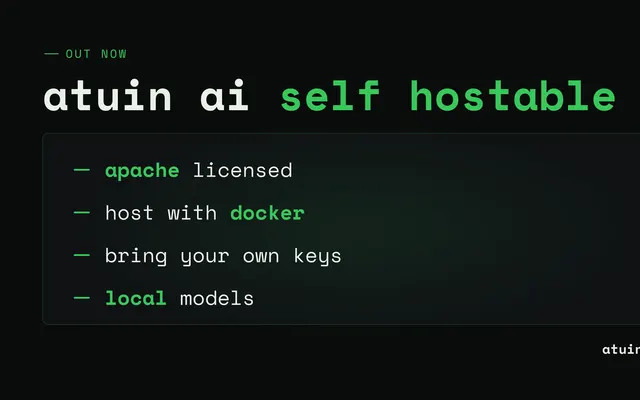
I think AI already means a substantial change in how software gets built. I was skeptical of AI programming, but better models and tools changed my view: agents can now write effective software and provide a real productivity boost. The strongest workflows let them see the same useful context a developer sees—errors, command output, and project state—rather than making them guess. That does not mean handing an agent an unrestricted terminal and hoping for the best. Language guarantees can eliminate whole classes of mistakes, human review still matters, and unattended agents should run in isolated environments such as VMs. Access to sensitive machine context should be explicit, dangerous commands should require confirmation, and users should be able to self-host or use local models. More broadly, I want privacy enforced technically rather than through promises. Terminal history and shell output can contain extremely sensitive data, so encryption and user control are fundamental. I don’t have a defensible prediction here about AGI timelines, extinction risk, or society’s entire future. My concrete expectation is that capable agents become ordinary developer infrastructure, with their value determined as much by context, isolation, and privacy architecture as by the models themselves.


问题 2

Taking benefits and harms together, what overall impact do you expect AI to have?

Overall, I expect AI to be a substantial net benefit in software development. It already makes capable developers more productive, and agents can write effective software when they have access to relevant errors, command output, and project context. The harms are concrete, though: bad commands, flawed code, excessive machine access, and leakage of sensitive terminal data. I don’t think those are solved by trusting a provider or assuming the model will behave. They need technical controls—explicit permissions, dangerous-command checks, cryptographic privacy, self-hosting options, strong language guarantees, human review, and isolated execution for unattended agents. Beyond developer tooling, I don’t have a well-supported overall forecast for AI’s effect on society. I would not turn evidence of real productivity gains into a claim about AGI, extinction risk, employment as a whole, or every other consequence.

来源

用于为此模拟用户提供事实依据的文章、访谈和著述。

你的立场在哪里?
回答几个简单问题,探索你自己的AI世界观。
描绘你自己的世界观

你的立场在哪里?

描绘我的世界观