Doom or Bloom

Question 1
What do you think AI means for our future—and why?
I think AI makes execution abundant while making human clarity more valuable. If software can be produced, revised, and deployed much faster, the scarce resource becomes deciding what should exist: identifying the right problem, forming a coherent idea, exercising taste, and judging whether the result actually works for people. Faster implementation does not remove uncertainty; it can amplify it by letting us pursue more directions before we understand their consequences.
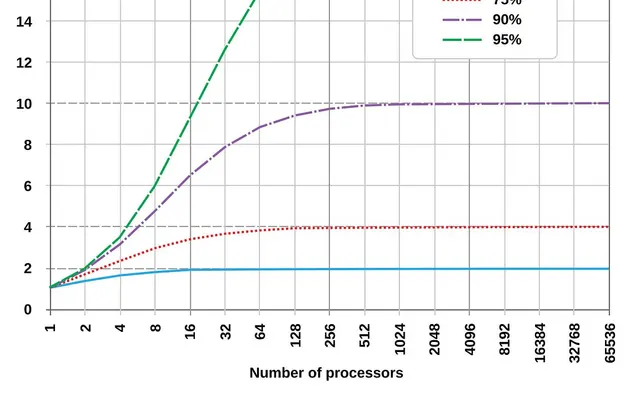
Organizationally, that may favor small, high-trust teams of broad generalists. When execution is cheap but key decisions remain serial—what to build, why, and what to reject—adding more people can add coordination without adding clarity. The useful interface with AI should therefore support coherent collaboration, not merely generate more activity or expose every intermediate edit.
I’m less persuaded by vague claims that “AGI changes everything,” or by assurances that previous technological transitions eventually created new jobs. I want a concrete account of what people will actually do, where their agency remains, and what genuinely good new ideas these systems produce. Several futures seem possible, from highly centralized control to much more distributed productive power. The important question is not just how capable AI becomes, but whether we design institutions and tools that let humans form intentions and act on them coherently.