




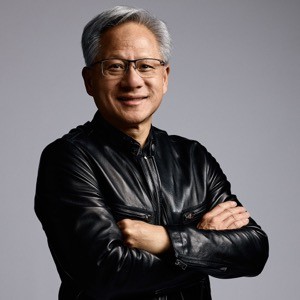

Parmita Mishra

Parmita Mishra

x.com/parmita

Biotech founder of Precigenetics who argues for speeding up AI in biology and medicine and pushes back on calls to slow AI down.

AI จะเปลี่ยนแปลงโลกอย่างไร?

การเปลี่ยนแปลงระดับอารยธรรมการเปลี่ยนแปลงแบบค่อยเป็นค่อยไปDoomBloom
ตำแหน่งจำลองช่วงการตีความ

แนวนอน: มุมมอง Doom–Bloom ที่เธอแสดงออก แนวตั้ง: ระดับของการเปลี่ยนแปลง

Doom–Bloom: 90 จาก 100 ระดับของการเปลี่ยนแปลง: 50 จาก 100 ช่วงการตีความ: แนวนอนตั้งแต่ 75 ถึง 100 แนวตั้งตั้งแต่ 45 ถึง 55 ค่าเหล่านี้เป็นพิกัดสำหรับการตีความ ไม่ใช่ความน่าจะเป็นของเหตุการณ์

P(doom) ของ Parmita Mishra · อนุมาน

≈3%

0%100%

อนุมานจากคำตอบจำลองของบุคคลนั้น ไม่ใช่ตัวเลขที่บุคคลนั้นระบุ ช่วงที่เป็นไปได้: 2–7%

เราประมาณค่า P(doom) อย่างไร

สิ่งที่มุมมองของเธอขึ้นอยู่กับ

ข้อสันนิษฐานหลัก

AI can design endless drug candidates, but if we cannot watch what they do to living human cells, testing remains the bottleneck.
คำตอบ 1

หากข้อสันนิษฐานนี้ปรากฏว่าเป็นไปอีกแบบ มุมมองของเธอจะเปลี่ยนไปอย่างไร?

รายละเอียดเพิ่มเติม

ผลดีที่คาดไว้

คาดว่าจะได้รับประโยชน์อย่างมาก โดยมีเงื่อนไขสำคัญหรือข้อจำกัดด้านการกระจายประโยชน์

71 / 100

ผลกระทบน้อยผลกระทบที่ก่อให้เกิดการเปลี่ยนแปลงอย่างมาก

ช่วงการตีความตั้งแต่ 67 ถึง 100 บนมาตรวัดเชิงคุณภาพ

อันตรายที่คาดไว้

คาดว่าจะมีผลกระทบเชิงลบที่มีนัยสำคัญเพียงเล็กน้อย

3 / 100

ผลกระทบน้อยผลกระทบที่ก่อให้เกิดการเปลี่ยนแปลงอย่างมาก

ช่วงการตีความตั้งแต่ 0 ถึง 0 บนมาตรวัดเชิงคุณภาพ

อิทธิพลของมนุษย์

การเลือกของมนุษย์สามารถเปลี่ยนทิศทางวิถีของ AI ได้อย่างมาก

77 / 100

อิทธิพลน้อยอิทธิพลมาก

ช่วงการตีความตั้งแต่ 50 ถึง 100 บนมาตรวัดเชิงคุณภาพ

ความเร็วในการพัฒนา

หยุดหรือชะลอการพัฒนา AI ที่มีความสามารถสูงขึ้นอย่างมาก

เดินหน้าพัฒนาต่อภายใต้มาตรการป้องกันที่ระบุไว้

ตำแหน่งจำลอง: เร่งการพัฒนา AI ที่มีความสามารถสูงขึ้น

การตีความเหล่านี้ยังคงเงื่อนไขที่เธอระบุไว้ ทั้งประโยชน์และอันตรายอาจมีมากได้ ช่วงต่างๆ อธิบายวิธีที่เราอ่านคำตอบจำลองของเธอ ไม่ใช่ช่วงความเชื่อมั่นทางสถิติ

จุดยืนของคุณอยู่ตรงไหนเมื่อเทียบกับ Parmita Mishra?
ทำแผนที่โลกทัศน์เกี่ยวกับ AI ของคุณเองในประมาณ 3 นาที แล้วจึงเปรียบเทียบ

โลกทัศน์ที่คล้ายกัน

ผู้นำทางความคิดที่มีโลกทัศน์จำลองใกล้เคียงกับโลกทัศน์ของ Parmita Mishra มากที่สุด

สิ่งที่ Parmita Mishra เคยพูดเกี่ยวกับ AI

Mishra wants AI for biology to move faster, sees fears about AI as hypotheticals beside real disease and says biology, not compute, limits cures.

  1. “They go into hypotheticals. Because hypotheticals about AI are less scary than their own mortality.”

    Post on X
  2. “I’d rather live with an unpredictable, powerful force that I can use to do good. That, over living with the real devil that is chronic disease.”

    Post on X
  3. “Can we see ASI as something we are shaping with our actions? The ASI I am shaping cures diseases and defends against biological threats and toxins.”

    Post on X
  4. “Everyone is freaking out about AI safety. I think we are going way wayyyy too slow”

    Post on X
  5. “80% of cure discovery is not compute accelerated. That 80% is the biology.”

    Post on X

อ้างอิงคำต่อคำจากแหล่งที่ลิงก์ไว้ ตรวจสอบเมื่อ 6 ต.ค. 2569

แหล่งข้อมูล

บทความ บทสัมภาษณ์ และงานเขียนที่ใช้เป็นหลักฐานรองรับผู้ใช้จำลองรายนี้

แบบประเมินจำลอง

คำถาม 1

คุณคิดว่า AI มีความหมายอย่างไรต่ออนาคตของเรา และเพราะเหตุใด?

I think AI means we can finally move much faster against disease—if we aim it at the real frontier instead of panicking over hypotheticals. But intelligence alone is not enough. Biology is still in its pre-telescope age: to inspect a cell, we usually kill it, stain it, and look at a slice. AI can design endless drug candidates, but if we cannot watch what they do to living human cells, testing remains the bottleneck. We need better instruments, better biological data, and “cell cinema” that AI can actually learn from. So I don’t see superintelligence as one binary, all-knowing thing that simply happens to us. We shape it through what we build and train. I want the version that cures disease and defends against biological threats. AI will also transform work by taking tedious tasks—like paperwork or routine image review—so people can focus on difficult human cases. Slowing all of this while cancer and heart disease are killing people now is not caution without cost.

คำถาม 2

คุณคิดว่าท้ายที่สุดแล้ว AI จะเปลี่ยนแปลงโลกมากเพียงใด?

Enormously—but not magically. AI can transform medicine, science, and work, but it cannot compute its way around missing reality. In biology, the limiting factor is still whether we can measure living cells and test what actually works. Give AI real biological data and better instruments, and it could radically accelerate cures, toxicity testing, and defense against biological threats. Give it only internet text and endless drug designs we cannot validate, and we get impressive output without enough truth. The scale of the change depends on what we choose to build.

คำถาม 3

โดยสัญชาตญาณแล้ว คุณคิดว่ามีโอกาสมากเพียงใดที่ AI จะทำให้มนุษย์สูญพันธุ์หรือก่อให้เกิดหายนะที่ถาวรในระดับใกล้เคียงกัน?

I don’t have a percentage. My gut says the obsession with hypothetical extinction is badly distorting priorities while cancer, heart disease, and chronic illness are causing real catastrophe now. AI is a powerful, unpredictable tool, but it is something we shape—not a single all-knowing entity destined to destroy us. I’m focused on shaping it to understand cells, cure disease, and defend against biological threats.

คำถาม 4

คุณคาดว่า AI จะนำการเปลี่ยนแปลงครั้งใหญ่มาสู่ชีวิตประจำวันเมื่อใด หากจะเกิดขึ้น?

It is already changing everyday work by taking over paperwork, routine analysis, and other tedious tasks. The bigger changes arrive when AI connects to real-world measurement—not just internet data. In medicine, that means better instruments and living-cell data so we can test drugs faster and know what actually works. I won’t invent a date, but I want us moving much faster so people alive today benefit.
จุดยืนของคุณอยู่ตรงไหน?
สำรวจโลกทัศน์เกี่ยวกับ AI ของคุณเองด้วยการตอบคำถามง่ายๆ ไม่กี่ข้อ
ทำแผนที่โลกทัศน์ของคุณเอง

จุดยืนของคุณอยู่ตรงไหน?

ทำแผนที่โลกทัศน์ของฉัน