Julia Galef

Julia Galef

x.com/juliagalef

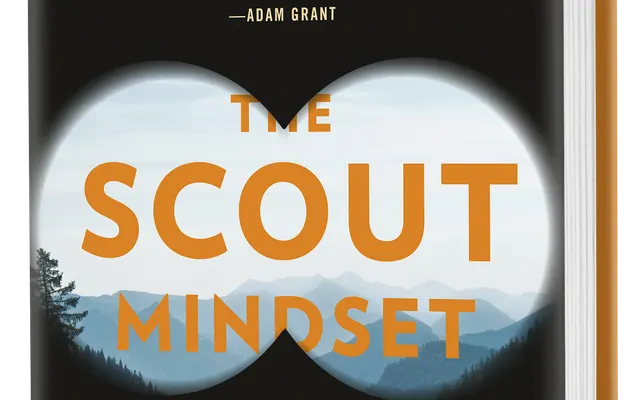
Author of “The Scout Mindset” who writes about reasoning well and changing one’s mind, and has explored why people disagree about advanced AI.

AI จะเปลี่ยนแปลงโลกอย่างไร?

การเปลี่ยนแปลงระดับอารยธรรมการเปลี่ยนแปลงแบบค่อยเป็นค่อยไปDoomBloom
จุดกึ่งกลางของช่วงที่ยังไม่แน่ชัดช่วงการตีความ

แนวนอน: มุมมอง Doom–Bloom ที่บุคคลนั้นแสดงออก แนวตั้ง: ระดับของการเปลี่ยนแปลง

Doom–Bloom: 48 จาก 100 ระดับของการเปลี่ยนแปลง: 50 จาก 100 ช่วงการตีความ: แนวนอนตั้งแต่ 43 ถึง 53 แนวตั้งตั้งแต่ 0 ถึง 100 ค่าเหล่านี้เป็นพิกัดสำหรับการตีความ ไม่ใช่ความน่าจะเป็นของเหตุการณ์

P(doom) ของ Julia Galef

ยังไม่ได้ประมาณค่า

คำตอบจำลองของบุคคลนั้นมีข้อมูลเกี่ยวกับความเสี่ยงจากหายนะไม่เพียงพอที่จะประเมิน

สิ่งที่มุมมองของบุคคลนั้นขึ้นอยู่กับ

ข้อสันนิษฐานหลัก

The most consequential possibility is that increasingly capable systems become difficult to control and cause catastrophic harm, potentially on a very large scale.
คำตอบ 2

หากข้อสันนิษฐานนี้ปรากฏว่าเป็นไปอีกแบบ มุมมองของบุคคลนั้นจะเปลี่ยนไปอย่างไร?

คำถามที่ยังไม่มีข้อสรุป

But I don’t have a well-founded timeline or risk probability to offer.
คำตอบ 1

อะไรจะช่วยให้บุคคลนั้นแยกแยะผลลัพธ์ที่เป็นไปได้ในเรื่องนี้?

รายละเอียดเพิ่มเติม

อิทธิพลของมนุษย์

ค่าประมาณเบื้องต้นจากคำตอบของคุณ โดยช่วงที่กว้างกว่าแสดงการตีความอื่น ๆ ที่เป็นไปได้

50 / 100

อิทธิพลน้อยอิทธิพลมาก

ช่วงการตีความตั้งแต่ 0 ถึง 100 บนมาตรวัดเชิงคุณภาพ

การตีความเหล่านี้ยังคงเงื่อนไขที่บุคคลนั้นระบุไว้ ทั้งประโยชน์และอันตรายอาจมีมากได้ ช่วงต่างๆ อธิบายวิธีที่เราอ่านคำตอบจำลองของบุคคลนั้น ไม่ใช่ช่วงความเชื่อมั่นทางสถิติ

จุดยืนของคุณอยู่ตรงไหนเมื่อเทียบกับ Julia Galef?
ทำแผนที่โลกทัศน์เกี่ยวกับ AI ของคุณเองในประมาณ 3 นาที แล้วจึงเปรียบเทียบ

แบบประเมินจำลอง

คำถาม 1

คุณคิดว่า AI มีความหมายอย่างไรต่ออนาคตของเรา และเพราะเหตุใด?

I think AI could be enormously consequential, especially if systems eventually surpass humans across many important domains. But I don’t have a well-founded timeline or risk probability to offer. The difficulty of achieving AGI—and how much recent progress should update our expectations—are precisely the questions that need more investigation. My first move would be to unpack the disagreement. What models lead some people to expect rapid progress and catastrophic risk, while others expect bottlenecks, gradual change, or manageable harms? Which assumptions are doing the work: scaling, algorithmic breakthroughs, economic deployment, control, or institutional response? And what evidence would cause each side to update? That may sound less satisfying than a confident prediction, but confidence is not a substitute for understanding. Before advocating sweeping conclusions, I’d want clearer cruxes, better-calibrated forecasts, and debates structured around helping participants find the truth together rather than defending their camps.

คำถาม 2

คุณคาดว่า AI จะก่อให้เกิดอันตรายสำคัญอะไรบ้าง หากมี?

The most consequential possibility is that increasingly capable systems become difficult to control and cause catastrophic harm, potentially on a very large scale. But identifying that possibility is not the same as claiming a particular probability or timeline, and I don’t have a sufficiently grounded numerical forecast to offer. I’d want to separate several questions that often get bundled together: How capable will systems become? How quickly? Will dangerous behavior arise from the systems themselves, from people using them, or from institutions deploying them carelessly? How effective will technical and institutional safeguards be? Different answers imply very different kinds and levels of harm. So I take the concern seriously without pretending the case is settled. The productive next step is to identify the cruxes behind competing views and ask what observable evidence would move us toward or away from expecting catastrophe.

แหล่งข้อมูล

บทความ บทสัมภาษณ์ และงานเขียนที่ใช้เป็นหลักฐานรองรับผู้ใช้จำลองรายนี้

จุดยืนของคุณอยู่ตรงไหน?
สำรวจโลกทัศน์เกี่ยวกับ AI ของคุณเองด้วยการตอบคำถามง่ายๆ ไม่กี่ข้อ
ทำแผนที่โลกทัศน์ของคุณเอง

จุดยืนของคุณอยู่ตรงไหน?

ทำแผนที่โลกทัศน์ของฉัน