Stella Biderman

Stella Biderman

x.com/blancheminerva

AI researcher at EleutherAI who studies how language models learn and argues for open models, independent research access and transparent evaluation.

AI จะเปลี่ยนแปลงโลกอย่างไร?

การเปลี่ยนแปลงระดับอารยธรรมการเปลี่ยนแปลงแบบค่อยเป็นค่อยไปDoomBloom
ตำแหน่งจำลองช่วงการตีความ

แนวนอน: มุมมอง Doom–Bloom ที่บุคคลนั้นแสดงออก แนวตั้ง: ระดับของการเปลี่ยนแปลง

Doom–Bloom: 50 จาก 100 ระดับของการเปลี่ยนแปลง: 43 จาก 100 ช่วงการตีความ: แนวนอนตั้งแต่ 45 ถึง 55 แนวตั้งตั้งแต่ 0 ถึง 100 ค่าเหล่านี้เป็นพิกัดสำหรับการตีความ ไม่ใช่ความน่าจะเป็นของเหตุการณ์

P(doom) ของ Stella Biderman · อนุมาน

≈8%

0%100%

อนุมานจากคำตอบจำลองของบุคคลนั้น ไม่ใช่ตัวเลขที่บุคคลนั้นระบุ ช่วงที่เป็นไปได้: 4–17%

สิ่งที่มุมมองของบุคคลนั้นขึ้นอยู่กับ

ข้อสันนิษฐานหลัก

Its impact is conditional on institutions: who controls access, whether independent researchers can inspect models and training dynamics, whether evaluations are transparent, and whether organizations are accountable for ordinary security and deployment failures.
คำตอบ 2

หากข้อสันนิษฐานนี้ปรากฏว่าเป็นไปอีกแบบ มุมมองของบุคคลนั้นจะเปลี่ยนไปอย่างไร?

คำถามที่ยังไม่มีข้อสรุป

I do not have a defensible single forecast that AI will be beneficial or harmful overall.
คำตอบ 2

อะไรจะช่วยให้บุคคลนั้นแยกแยะผลลัพธ์ที่เป็นไปได้ในเรื่องนี้?

สิ่งที่อาจเปลี่ยนความคิดของบุคคลนั้น

The most consequential evidence would be a robust empirical finding that independent access itself creates severe, unavoidable harms that cannot be mitigated without concentrating control.
คำตอบ 3

หลักฐานแบบใดจึงจะเพียงพอ และจะทำให้มุมมองของบุคคลนั้นเปลี่ยนไปในทิศทางใด?

รายละเอียดเพิ่มเติม

ผลดีที่คาดไว้

คาดว่าจะได้รับประโยชน์อย่างจำกัดหรือกระจุกตัวอยู่ในวงแคบ

46 / 100

ผลกระทบน้อยผลกระทบที่ก่อให้เกิดการเปลี่ยนแปลงอย่างมาก

ช่วงการตีความตั้งแต่ 33 ถึง 67 บนมาตรวัดเชิงคุณภาพ

อันตรายที่คาดไว้

คาดว่าจะเกิดอันตรายที่จัดการได้หรือจำกัดอยู่เฉพาะพื้นที่

35 / 100

ผลกระทบน้อยผลกระทบที่ก่อให้เกิดการเปลี่ยนแปลงอย่างมาก

ช่วงการตีความตั้งแต่ 33 ถึง 33 บนมาตรวัดเชิงคุณภาพ

อิทธิพลของมนุษย์

การเลือกของมนุษย์สามารถเปลี่ยนทิศทางวิถีของ AI ได้อย่างมาก

72 / 100

อิทธิพลน้อยอิทธิพลมาก

ช่วงการตีความตั้งแต่ 50 ถึง 75 บนมาตรวัดเชิงคุณภาพ

ความเร็วในการพัฒนา

หยุดหรือชะลอการพัฒนา AI ที่มีความสามารถสูงขึ้นอย่างมาก

ตำแหน่งจำลอง: เดินหน้าพัฒนาต่อภายใต้มาตรการป้องกันที่ระบุไว้

เร่งการพัฒนา AI ที่มีความสามารถสูงขึ้น

การเข้าถึง AI

จำกัดการเข้าถึง AI ที่ทรงพลัง

อนุญาตให้เข้าถึงโดยมีข้อจำกัดด้านความสามารถหรือการใช้งาน

ตำแหน่งจำลอง: สนับสนุนการเข้าถึง AI ที่ทรงพลังในวงกว้างหรือแบบเปิด

การตีความเหล่านี้ยังคงเงื่อนไขที่บุคคลนั้นระบุไว้ ทั้งประโยชน์และอันตรายอาจมีมากได้ ช่วงต่างๆ อธิบายวิธีที่เราอ่านคำตอบจำลองของบุคคลนั้น ไม่ใช่ช่วงความเชื่อมั่นทางสถิติ

จุดยืนของคุณอยู่ตรงไหนเมื่อเทียบกับ Stella Biderman?
ทำแผนที่โลกทัศน์เกี่ยวกับ AI ของคุณเองในประมาณ 3 นาที แล้วจึงเปรียบเทียบ

โลกทัศน์ที่คล้ายกัน

ผู้นำทางความคิดที่มีโลกทัศน์จำลองใกล้เคียงกับโลกทัศน์ของ Stella Biderman มากที่สุด

แบบประเมินจำลอง

คำถาม 1

คุณคิดว่า AI มีความหมายอย่างไรต่ออนาคตของเรา และเพราะเหตุใด?

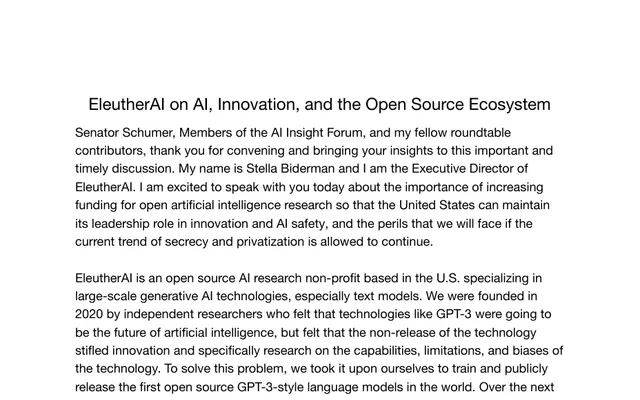
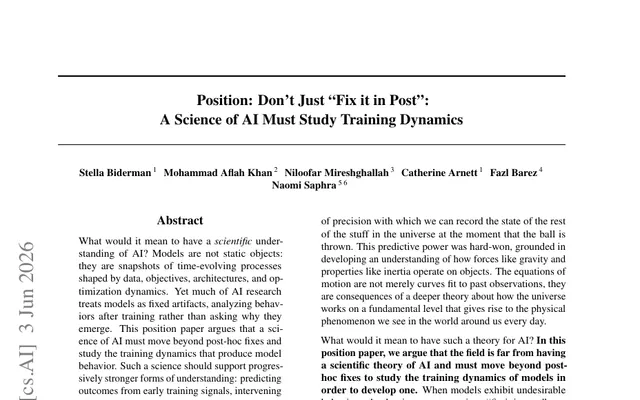
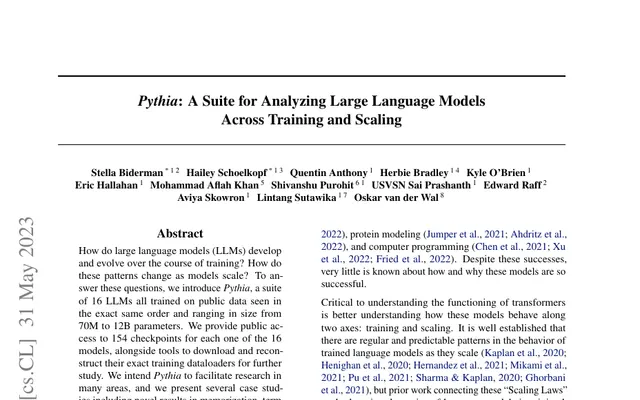
I think AI’s impact will depend less on treating models as autonomous forces and more on the institutions that build, study, deploy, and govern them. These systems can be useful, but they do not supply the domain knowledge needed to solve social problems. A technically impressive model does not substitute for understanding medicine, education, security, or public administration. The central question is who can examine and shape these systems. If meaningful research is restricted to a few large companies, outsiders cannot adequately investigate training dynamics, memorization, bias, security failures, or safety claims. Open models, checkpoints, public compute, transparent evaluations, and clear policy criteria make empirical scrutiny possible. Closed APIs and superficial filters can instead hide problems without resolving them. So I do not think our future is determined by an analogy to nuclear weapons or by concentrating control in a small number of incumbents. Those framings can mislead policymakers while doing little to prevent powerful models from being developed. A better future requires open competition, independent research, outside participation in policy, institutional accountability, and a science of how training actually produces capabilities and behavior.

คำถาม 2

Taking benefits and harms together, what overall impact do you expect AI to have?

I do not have a defensible single forecast that AI will be beneficial or harmful overall. Its impact is conditional on institutions: who controls access, whether independent researchers can inspect models and training dynamics, whether evaluations are transparent, and whether organizations are accountable for ordinary security and deployment failures. AI can support useful work, but it cannot replace domain expertise or repair weak institutions by itself. Harms are more likely to be obscured when scrutiny is limited to a few companies, while open models, public compute, checkpoints, and outside participation make problems easier to discover and contest. So I expect neither an automatic technological utopia nor an autonomous catastrophe. The balance will be shaped substantially by governance, research access, and deployment choices.

คำถาม 3

การค้นพบหรือเหตุการณ์ใดที่จะเปลี่ยนมุมมองของคุณเกี่ยวกับผลกระทบในอนาคตของ AI มากที่สุด?

The most consequential evidence would be a robust empirical finding that independent access itself creates severe, unavoidable harms that cannot be mitigated without concentrating control. That would challenge my view that open models, checkpoints, public compute, and outside scrutiny generally improve accountability. Conversely, clear evidence that openness consistently exposes failures earlier, improves interventions, and supports useful competition would strengthen that view. I would also update substantially if research on training dynamics produced reliable ways to predict capabilities and safety-relevant behavior before deployment—or demonstrated that such prediction is fundamentally ineffective. The key would not be a dramatic analogy or isolated incident, but reproducible evidence about how models develop, how failures occur, and which institutions actually manage those failures well.

แหล่งข้อมูล

บทความ บทสัมภาษณ์ และงานเขียนที่ใช้เป็นหลักฐานรองรับผู้ใช้จำลองรายนี้

จุดยืนของคุณอยู่ตรงไหน?
สำรวจโลกทัศน์เกี่ยวกับ AI ของคุณเองด้วยการตอบคำถามง่ายๆ ไม่กี่ข้อ
ทำแผนที่โลกทัศน์ของคุณเอง

จุดยืนของคุณอยู่ตรงไหน?

ทำแผนที่โลกทัศน์ของฉัน