คำถาม 1
Ilya Sutskever
x.com/ilyasutSafe Superintelligence cofounder and CEO who expects extremely powerful AI and sees generalization and alignment as central open research problems.
AI จะเปลี่ยนแปลงโลกอย่างไร?
แนวนอน: มุมมอง Doom–Bloom ที่เขาแสดงออก แนวตั้ง: ระดับของการเปลี่ยนแปลง
Doom–Bloom: 51 จาก 100 ระดับของการเปลี่ยนแปลง: 77 จาก 100 ช่วงการตีความ: แนวนอนตั้งแต่ 46 ถึง 56 แนวตั้งตั้งแต่ 72 ถึง 82 ค่าเหล่านี้เป็นพิกัดสำหรับการตีความ ไม่ใช่ความน่าจะเป็นของเหตุการณ์
≈21%
อนุมานจากคำตอบจำลองของบุคคลนั้น ไม่ใช่ตัวเลขที่บุคคลนั้นระบุ ช่วงที่เป็นไปได้: 12–41%
ข้อสันนิษฐานหลัก
The decisive question is whether safety and capability progress together—whether we develop systems whose alignment continues to hold as they learn, generalize, and become more powerful.คำตอบ 2
หากข้อสันนิษฐานนี้ปรากฏว่าเป็นไปอีกแบบ มุมมองของเขาจะเปลี่ยนไปอย่างไร?
คำถามที่ยังไม่มีข้อสรุป
It is whether we can make powerful learning generalize in the ways we intend.คำตอบ 3
อะไรจะช่วยให้เขาแยกแยะผลลัพธ์ที่เป็นไปได้ในเรื่องนี้?
สิ่งที่อาจเปลี่ยนความคิดของบุคคลนั้น
If we found a method that let systems learn rapidly from limited experience, transfer that learning reliably to unfamiliar situations, and remain aligned while doing so, I would become much more confident that transformative AI is close in a meaningful sense—not merely better at benchmarks.คำตอบ 3
หลักฐานแบบใดจึงจะเพียงพอ และจะทำให้มุมมองของเขาเปลี่ยนไปในทิศทางใด?
รายละเอียดเพิ่มเติม
ยังมีการตีความที่เป็นไปได้หลายแบบ ได้แก่ คาดว่าจะได้รับประโยชน์อย่างมาก โดยมีเงื่อนไขสำคัญหรือข้อจำกัดด้านการกระจายประโยชน์ / คาดว่าจะได้รับประโยชน์ที่ก่อให้เกิดการเปลี่ยนแปลงและมีคุณค่าอย่างกว้างขวาง
81 / 100
ช่วงการตีความตั้งแต่ 67 ถึง 100 บนมาตรวัดเชิงคุณภาพ
อันตรายร้ายแรงหรือแพร่หลายในวงกว้างเป็นส่วนสำคัญที่คาดว่าจะเกิดขึ้นในอนาคต
67 / 100
ช่วงการตีความตั้งแต่ 67 ถึง 67 บนมาตรวัดเชิงคุณภาพ
การเลือกของมนุษย์สามารถเปลี่ยนทิศทางวิถีของ AI ได้อย่างมาก
65 / 100
ช่วงการตีความตั้งแต่ 36 ถึง 100 บนมาตรวัดเชิงคุณภาพ
คาดว่า AI จะยังคงเป็นเครื่องมือที่มีขีดจำกัด
คาดว่า AI จะมีความสามารถทัดเทียมมนุษย์ในงานด้านการใช้ความคิดส่วนใหญ่
ตำแหน่งจำลอง: คาดว่า AI จะมีความสามารถเหนือกว่ามนุษย์อย่างมากในงานด้านการใช้ความคิด
หยุดหรือชะลอการพัฒนา AI ที่มีความสามารถสูงขึ้นอย่างมาก
ตำแหน่งจำลอง: เดินหน้าพัฒนาต่อภายใต้มาตรการป้องกันที่ระบุไว้
เร่งการพัฒนา AI ที่มีความสามารถสูงขึ้น
จำกัดการใช้ AI ที่กล่าวถึงจนกว่าจะมีมาตรการป้องกันหรือการอนุญาตล่วงหน้า
ตำแหน่งจำลอง: อนุญาตการใช้ AI ที่กล่าวถึง โดยมีความรับผิดรับชอบและมาตรการป้องกันที่มุ่งเป้าเฉพาะด้าน
ลดข้อจำกัดในการใช้ AI ที่กล่าวถึงให้น้อยที่สุด
การตีความเหล่านี้ยังคงเงื่อนไขที่เขาระบุไว้ ทั้งประโยชน์และอันตรายอาจมีมากได้ ช่วงต่างๆ อธิบายวิธีที่เราอ่านคำตอบจำลองของเขา ไม่ใช่ช่วงความเชื่อมั่นทางสถิติ
โลกทัศน์ที่คล้ายกัน
ผู้นำทางความคิดที่มีโลกทัศน์จำลองใกล้เคียงกับโลกทัศน์ของ Ilya Sutskever มากที่สุด
สิ่งที่ Ilya Sutskever เคยพูดเกี่ยวกับ AI
Sutskever expects extraordinarily powerful AI, sees generalization and alignment as open problems and now favors deploying AI incrementally.
“Future AI will be extraordinarily powerful compared to anything that exists today, and dealing with this future power will require unprecedented measures, such as the ones described here.”
Comment on the Pacing the Frontier statement “The thing which I think is the most fundamental is that these models somehow just generalize dramatically worse than people.”
Dwarkesh Podcast “I maintain that there is something that’s better to build, and I think that everyone will want that. It’s the AI that’s robustly aligned to care about sentient life specifically.”
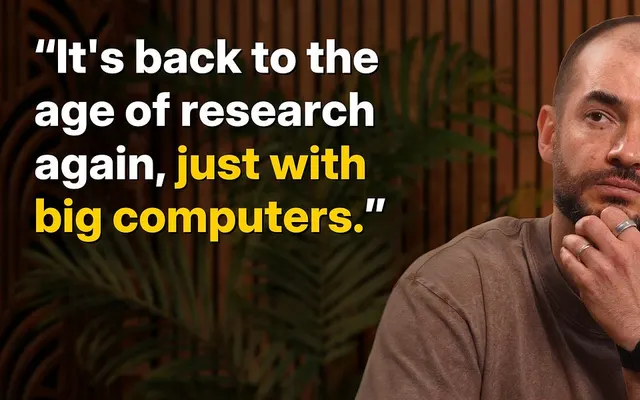
Dwarkesh Podcast “One of the ways in which my thinking has been changing is that I now place more importance on AI being deployed incrementally and in advance.”
Dwarkesh Podcast “I think that it is likely that we will have rapid economic growth.”
Dwarkesh Podcast
อ้างอิงคำต่อคำจากแหล่งที่ลิงก์ไว้ ตรวจสอบเมื่อ 3 ต.ค. 2569
แบบประเมินจำลอง
แหล่งข้อมูล
บทความ บทสัมภาษณ์ และงานเขียนที่ใช้เป็นหลักฐานรองรับผู้ใช้จำลองรายนี้
Historical proposal coauthored by Sutskever and Jan Leike: human supervision may not scale to stronger systems, motivating scalable oversight, generalization research and adversarial testing. Grounds the mechanism behind his safety focus. The old team’s four-year target and compute pledge are not current SSI commitments.

Sutskever says SSI has research worth scaling. The partners announce expanded compute and a new research direction toward robust alignment; this is a company announcement, not independent validation of a safe system. It confirms active scaling after his 2025 call for new research.

Primary interview: poor generalization, continual learning, major economic impact, incremental deployment and alignment with sentient life. Distinguish his tentative proposals from Patel’s stronger scenarios. This remains a 2025 interview.

Statement signed by Sutskever and cofounders makes safe superintelligence the singular mission, combining scientific safety and capability progress while insulating the project from short-term commercial pressure. Foundational mission, not a fresh 2026 capability claim.

จุดยืนของคุณอยู่ตรงไหน?
ทำแผนที่โลกทัศน์ของฉัน