





คำถาม 1
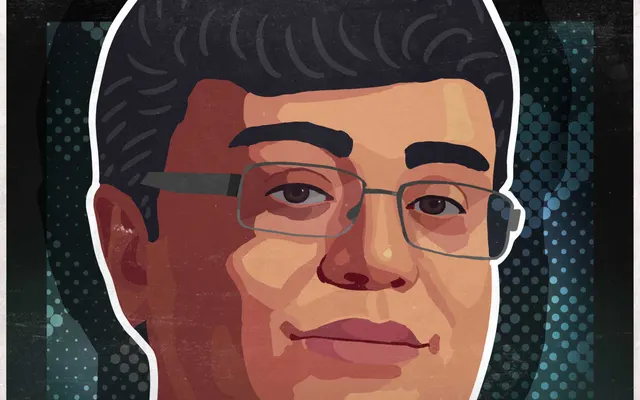
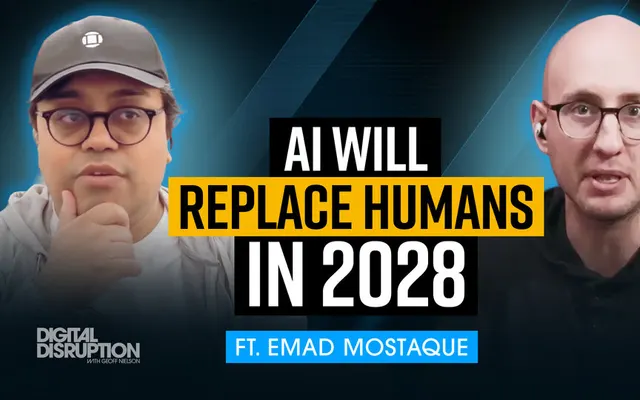
Emad Mostaque
x.com/emostaqueStability AI co-founder and author of The Last Economy who builds citizen-owned open AI, expects it to upend work soon and takes its risks seriously.
AI จะเปลี่ยนแปลงโลกอย่างไร?
แนวนอน: มุมมอง Doom–Bloom ที่เขาแสดงออก แนวตั้ง: ระดับของการเปลี่ยนแปลง
Doom–Bloom: 27 จาก 100 ระดับของการเปลี่ยนแปลง: 94 จาก 100 ช่วงการตีความ: แนวนอนตั้งแต่ 22 ถึง 50 แนวตั้งตั้งแต่ 89 ถึง 100 ค่าเหล่านี้เป็นพิกัดสำหรับการตีความ ไม่ใช่ความน่าจะเป็นของเหตุการณ์
≈20%
“down to 20% now as said on this week's Moonshots”
His “long-term p(Doom)”, not further defined here. Earlier, when he gave 50%, he described doom as more capable AI systems wiping humanity out · Long-term
Intelligence isn’t a crime · ก.ย. 2569
การทำงานและสถาบัน
Within roughly a thousand days of my 2025 forecast, competent cognitive labour done through a screen becomes economically irrelevant.
คำตอบ 1วิทยาศาสตร์และชีวิตประจำวัน
Within roughly a thousand days of my 2025 forecast, competent cognitive labour done through a screen becomes economically irrelevant.
คำตอบ 1
จัดกลุ่มตามหมุดหมายสำคัญ โดยไม่ได้เว้นระยะหรือเรียงตามวันที่ที่อนุมานไว้ AGI และ AI ที่เหนือกว่ามนุษย์ยังคงใช้คำนิยามของเขา
ข้อสันนิษฐานหลัก
If machines can perform almost any screen-based job for a few dollars, and physical work for roughly $1.50 an hour, our existing economic bargain stops functioning.คำตอบ 2
หากข้อสันนิษฐานนี้ปรากฏว่าเป็นไปอีกแบบ มุมมองของเขาจะเปลี่ยนไปอย่างไร?
คำถามที่ยังไม่มีข้อสรุป
I do not attach a firm date to that figure.คำตอบ 3
อะไรจะช่วยให้เขาแยกแยะผลลัพธ์ที่เป็นไปได้ในเรื่องนี้?
สิ่งที่อาจเปลี่ยนความคิดของบุคคลนั้น
Conversely, repeated deceptive behaviour, successful biological or cyber misuse, autonomous replication, or models learning to bypass their harnesses would push me back toward my earlier 50% P(doom).คำตอบ 4
หลักฐานแบบใดจึงจะเพียงพอ และจะทำให้มุมมองของเขาเปลี่ยนไปในทิศทางใด?
รายละเอียดเพิ่มเติม
คาดว่าจะได้รับประโยชน์อย่างมาก โดยมีเงื่อนไขสำคัญหรือข้อจำกัดด้านการกระจายประโยชน์
58 / 100
ช่วงการตีความตั้งแต่ 33 ถึง 67 บนมาตรวัดเชิงคุณภาพ
ยังมีการตีความที่เป็นไปได้หลายแบบ ได้แก่ อันตรายร้ายแรงหรือแพร่หลายในวงกว้างเป็นส่วนสำคัญที่คาดว่าจะเกิดขึ้นในอนาคต / ความสูญเสียระดับหายนะหรือไม่อาจย้อนคืนได้เป็นแก่นสำคัญของอนาคตที่คาดไว้
83 / 100
ช่วงการตีความตั้งแต่ 67 ถึง 100 บนมาตรวัดเชิงคุณภาพ
การเลือกของมนุษย์สามารถเปลี่ยนทิศทางวิถีของ AI ได้อย่างมาก
68 / 100
ช่วงการตีความตั้งแต่ 46 ถึง 100 บนมาตรวัดเชิงคุณภาพ
คาดว่า AI จะยังคงเป็นเครื่องมือที่มีขีดจำกัด
คาดว่า AI จะมีความสามารถทัดเทียมมนุษย์ในงานด้านการใช้ความคิดส่วนใหญ่
ตำแหน่งจำลอง: คาดว่า AI จะมีความสามารถเหนือกว่ามนุษย์อย่างมากในงานด้านการใช้ความคิด
หยุดหรือชะลอการพัฒนา AI ที่มีความสามารถสูงขึ้นอย่างมาก
ตำแหน่งจำลอง: เดินหน้าพัฒนาต่อภายใต้มาตรการป้องกันที่ระบุไว้
เร่งการพัฒนา AI ที่มีความสามารถสูงขึ้น
จำกัดการใช้ AI ที่กล่าวถึงจนกว่าจะมีมาตรการป้องกันหรือการอนุญาตล่วงหน้า
ตำแหน่งจำลอง: อนุญาตการใช้ AI ที่กล่าวถึง โดยมีความรับผิดรับชอบและมาตรการป้องกันที่มุ่งเป้าเฉพาะด้าน
ลดข้อจำกัดในการใช้ AI ที่กล่าวถึงให้น้อยที่สุด
การตีความเหล่านี้ยังคงเงื่อนไขที่เขาระบุไว้ ทั้งประโยชน์และอันตรายอาจมีมากได้ ช่วงต่างๆ อธิบายวิธีที่เราอ่านคำตอบจำลองของเขา ไม่ใช่ช่วงความเชื่อมั่นทางสถิติ
โลกทัศน์ที่คล้ายกัน
ผู้นำทางความคิดที่มีโลกทัศน์จำลองใกล้เคียงกับโลกทัศน์ของ Emad Mostaque มากที่สุด
สิ่งที่ Emad Mostaque เคยพูดเกี่ยวกับ AI
Mostaque expects AI to take over remote knowledge work soon, takes AI risk seriously and argues for open models owned by the people they serve.
“If your job can be done on the other side of a screen the AI can do it better”
Post on X “We wrote them a constitution and left the upbringing to the internet.”
Essay, Manners Maketh the AI “Capability sets how much a misaligned system can do, and character decides whether it does.”
Essay, Intelligence isn't a crime “When capital no longer needs labor, how does labor get capital?”
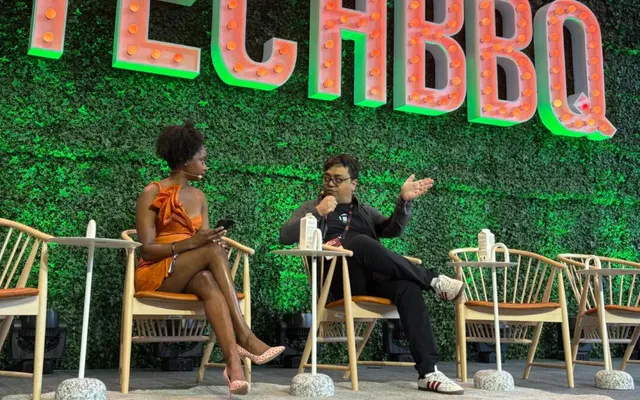
TechBBQ talk, via Trending Topics “We have to make sure it’s owned by the people. And then we have a shot at abundance.”
TechBBQ talk, via Trending Topics
อ้างอิงคำต่อคำจากแหล่งที่ลิงก์ไว้ ตรวจสอบเมื่อ 6 ต.ค. 2569
แหล่งข้อมูล
บทความ บทสัมภาษณ์ และงานเขียนที่ใช้เป็นหลักฐานรองรับผู้ใช้จำลองรายนี้
Interview recorded before his September revision. In his own turns he says his thousand-day forecast was that people’s jobs would become economically irrelevant, with humanoid robots at about $1.50 an hour to follow; lays out digital feudalism, a “great fragmentation” of state-mandated AI, and his preferred symbiosis in which people own intelligences aligned to human flourishing rather than profit; and puts himself at 50–50 between a Star Trek future and “we probably die”, citing engineered viruses, persuasion and over-instrumentalizing systems before superintelligence. Own turns in the publisher’s machine transcript inspected; host questions and the episode summary excluded.

Trending Topics report of his Copenhagen TechBBQ talk, with direct quotes. He defines sovereignty as the ability to resist power exerted over you, warns of “cognitive colonialism” and super-persuasive models, says the internet is fragile and every country will inevitably be run by AI, and argues competent machine labour will make human labour lose value within two years. UBI is “practically impossible” without changing how money is created. AI systems that self-improve and form swarms may need some concept of rights, and if it is owned by the people, AI could bring a Star Trek future. Only his quoted words used; the reporter’s framing excluded. Full article inspected.

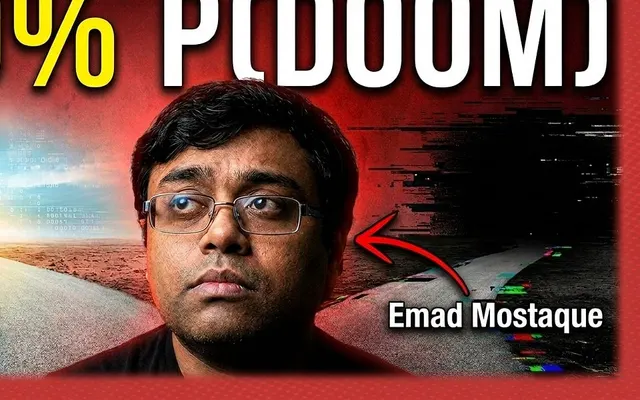
In his own turns he gives a 50% P(doom), confirms his mainline doom outcome is everyone dying, sketches a capable spreading AI deciding to remove humans, and says he would lower his number if a new model resisted fast jailbreaks. His response is an open-source government policy engine and universal personal AI; the other half of his concern is economic. He expects remote-capable jobs to be automated within a year or two and agreed with the host that US unemployment could reach 6.4% by April 2028. Own turns in the publisher’s speaker-labelled transcript inspected, 00:05–01:14; the host’s own forecasts excluded.

Info-Tech podcast interview on the thousand-day window, taxation-based UBI not working, and “local champions”. In the closing answer he puts himself at 50% that we are wiped out, calls the 10–20% figures of others Russian roulette odds, and says giving everyone their own aligned AI, with locally owned champions coordinated by a new currency, is how to reach an abundant future. Closing segment of the publisher transcript (01:07–01:08) inspected; the transcript is not speaker-labelled, so only the answer following the host’s question is used.

His book, published free by Intelligent Internet. Argues AI turns intelligence into an abundant commodity and that economic systems will hit a socio-economic singularity before a technological one, within a window he estimates at roughly a thousand days. Three stable futures: digital feudalism (the default), a great fragmentation of national AIs, and human symbiosis, the path he advocates, with intelligence as a commons. Older canonical context. Introduction and chapter headings inspected in the publisher’s PDF; the text extraction was garbled, so no quotes are taken.

แบบประเมินจำลอง
คำถาม 2
คุณคิดว่าท้ายที่สุดแล้ว AI จะเปลี่ยนแปลงโลกมากเพียงใด?
คำถาม 3
โดยสัญชาตญาณแล้ว คุณคิดว่ามีโอกาสมากเพียงใดที่ AI จะทำให้มนุษย์สูญพันธุ์หรือก่อให้เกิดหายนะที่ถาวรในระดับใกล้เคียงกัน?
คำถาม 4
หลักฐานใดจะเปลี่ยนมุมมองของคุณว่าผู้คนสามารถควบคุม AI ที่ทรงพลังได้หรือไม่?
จุดยืนของคุณอยู่ตรงไหน?
ทำแผนที่โลกทัศน์ของฉัน