Tesla and SpaceX CEO who expects AI and robots to bring widespread abundance, acknowledges serious risks and supports frontier safety checks.

AI จะเปลี่ยนแปลงโลกอย่างไร?

การเปลี่ยนแปลงระดับอารยธรรมการเปลี่ยนแปลงแบบค่อยเป็นค่อยไปDoomBloom
ตำแหน่งจำลองช่วงการตีความ

แนวนอน: มุมมอง Doom–Bloom ที่เขาแสดงออก แนวตั้ง: ระดับของการเปลี่ยนแปลง

Doom–Bloom: 86 จาก 100 ระดับของการเปลี่ยนแปลง: 95 จาก 100 ช่วงการตีความ: แนวนอนตั้งแต่ 75 ถึง 100 แนวตั้งตั้งแต่ 90 ถึง 100 ค่าเหล่านี้เป็นพิกัดสำหรับการตีความ ไม่ใช่ความน่าจะเป็นของเหตุการณ์

P(doom) ที่ Elon Musk ระบุ

10–20%

0%100%
“20% likely, maybe 10%”

“Killer robots annihilating humanity”, in Ted Cruz’s question; the complement he names is about 80% “extreme prosperity for all” · About 5–10 years

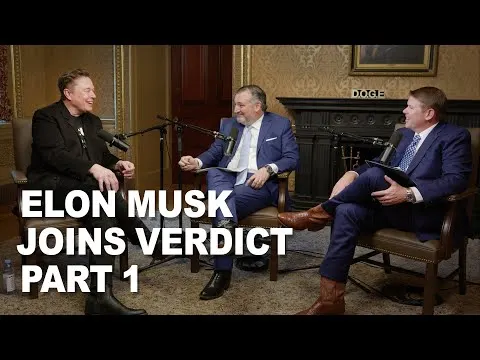
ELON MUSK JOINS VERDICT - PART 1 | Verdict Ep. 214 · มี.ค. 2568

กรอบเวลาของหมุดหมายสำคัญของ Elon Musk
  1. การทำงานและสถาบัน

    I expect AI and robots could more than double the global economy within ten years, not merely make office software somewhat better.

    คำตอบ 1

จัดกลุ่มตามหมุดหมายสำคัญ โดยไม่ได้เว้นระยะหรือเรียงตามวันที่ที่อนุมานไว้ AGI และ AI ที่เหนือกว่ามนุษย์ยังคงใช้คำนิยามของเขา

สิ่งที่มุมมองของเขาขึ้นอยู่กับ

ข้อสันนิษฐานหลัก

If intelligence becomes extremely cheap, and robots can turn that intelligence into physical work, then production can expand enormously.
คำตอบ 1

หากข้อสันนิษฐานนี้ปรากฏว่าเป็นไปอีกแบบ มุมมองของเขาจะเปลี่ยนไปอย่างไร?

คำถามที่ยังไม่มีข้อสรุป

I don’t have a current calibrated number.
คำตอบ 3

อะไรจะช่วยให้เขาแยกแยะผลลัพธ์ที่เป็นไปได้ในเรื่องนี้?

สิ่งที่อาจเปลี่ยนความคิดของบุคคลนั้น

The biggest change would be convincing evidence that intelligence cannot reliably translate into real-world production—that power, manufacturing, robotics, or permitting remain hard bottlenecks even as AI improves.
คำตอบ 4

หลักฐานแบบใดจึงจะเพียงพอ และจะทำให้มุมมองของเขาเปลี่ยนไปในทิศทางใด?

รายละเอียดเพิ่มเติม

ผลดีที่คาดไว้

คาดว่าจะได้รับประโยชน์ที่ก่อให้เกิดการเปลี่ยนแปลงและมีคุณค่าอย่างกว้างขวาง

100 / 100

ผลกระทบน้อยผลกระทบที่ก่อให้เกิดการเปลี่ยนแปลงอย่างมาก

ช่วงการตีความตั้งแต่ 100 ถึง 100 บนมาตรวัดเชิงคุณภาพ

อันตรายที่คาดไว้

อันตรายร้ายแรงหรือแพร่หลายในวงกว้างเป็นส่วนสำคัญที่คาดว่าจะเกิดขึ้นในอนาคต

67 / 100

ผลกระทบน้อยผลกระทบที่ก่อให้เกิดการเปลี่ยนแปลงอย่างมาก

ช่วงการตีความตั้งแต่ 67 ถึง 67 บนมาตรวัดเชิงคุณภาพ

อิทธิพลของมนุษย์

การเลือกของมนุษย์มีอิทธิพลอย่างมีนัยสำคัญ แต่ถูกจำกัดอย่างมาก

56 / 100

อิทธิพลน้อยอิทธิพลมาก

ช่วงการตีความตั้งแต่ 46 ถึง 79 บนมาตรวัดเชิงคุณภาพ

ความสามารถที่คาดไว้

คาดว่า AI จะยังคงเป็นเครื่องมือที่มีขีดจำกัด

คาดว่า AI จะมีความสามารถทัดเทียมมนุษย์ในงานด้านการใช้ความคิดส่วนใหญ่

ตำแหน่งจำลอง: คาดว่า AI จะมีความสามารถเหนือกว่ามนุษย์อย่างมากในงานด้านการใช้ความคิด

ความเร็วในการพัฒนา

หยุดหรือชะลอการพัฒนา AI ที่มีความสามารถสูงขึ้นอย่างมาก

ตำแหน่งจำลอง: เดินหน้าพัฒนาต่อภายใต้มาตรการป้องกันที่ระบุไว้

เร่งการพัฒนา AI ที่มีความสามารถสูงขึ้น

กฎการใช้ AI

จำกัดการใช้ AI ที่กล่าวถึงจนกว่าจะมีมาตรการป้องกันหรือการอนุญาตล่วงหน้า

ตำแหน่งจำลอง: อนุญาตการใช้ AI ที่กล่าวถึง โดยมีความรับผิดรับชอบและมาตรการป้องกันที่มุ่งเป้าเฉพาะด้าน

ลดข้อจำกัดในการใช้ AI ที่กล่าวถึงให้น้อยที่สุด

การตีความเหล่านี้ยังคงเงื่อนไขที่เขาระบุไว้ ทั้งประโยชน์และอันตรายอาจมีมากได้ ช่วงต่างๆ อธิบายวิธีที่เราอ่านคำตอบจำลองของเขา ไม่ใช่ช่วงความเชื่อมั่นทางสถิติ

จุดยืนของคุณอยู่ตรงไหนเมื่อเทียบกับ Elon Musk?
ทำแผนที่โลกทัศน์เกี่ยวกับ AI ของคุณเองในประมาณ 3 นาที แล้วจึงเปรียบเทียบ

โลกทัศน์ที่คล้ายกัน

ผู้นำทางความคิดที่มีโลกทัศน์จำลองใกล้เคียงกับโลกทัศน์ของ Elon Musk มากที่สุด

สิ่งที่ Elon Musk เคยพูดเกี่ยวกับ AI

Musk expects AI and robots to bring widespread abundance, acknowledges serious risks and has called for AI labs to test each other’s models.

  1. “What I think would be wise to do as soon as possible, if not immediately, would be to have the major AI competitors test each other’s models.”

    All-In Summit
  2. “The most likely outcome is an age of amazing abundance where anyone can have anything they can think of.”

    The Economist interview
  3. “Universal HIGH INCOME via checks issued by the Federal government is the best way to deal with unemployment caused by AI.”

    Post on X
  4. “I don’t think humans will be in control of something that is vastly more intelligent than humans.”

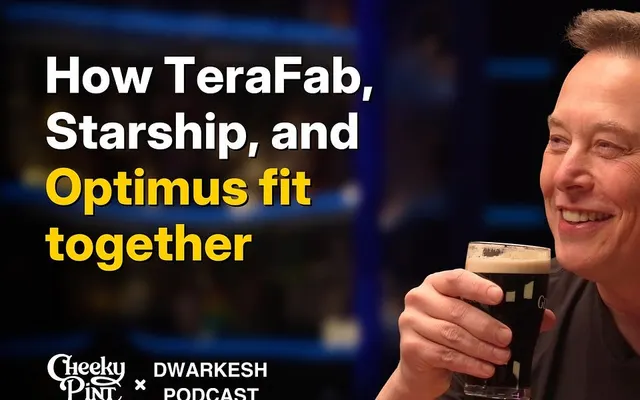
    Dwarkesh Podcast
  5. “I mean, we need to be very careful with AI. We need to be very careful with robotics.”

    World Economic Forum, Davos

อ้างอิงคำต่อคำจากแหล่งที่ลิงก์ไว้ ตรวจสอบเมื่อ 3 ต.ค. 2569

แบบประเมินจำลอง

คำถาม 1

คุณคิดว่า AI มีความหมายอย่างไรต่ออนาคตของเรา และเพราะเหตุใด?

AI and robotics will change essentially everything because the economy is ultimately about producing goods and providing services. If intelligence becomes extremely cheap, and robots can turn that intelligence into physical work, then production can expand enormously. Food, construction, manufacturing, transportation, healthcare—almost every sector becomes less constrained by human labor. Electricity, manufacturing capacity and permitting become the practical bottlenecks. I expect AI and robots could more than double the global economy within ten years, not merely make office software somewhat better. That points toward extraordinary abundance. If robots can produce nearly anything people need, compulsory work stops being the organizing principle of life. During the transition, AI-driven unemployment could require federal income payments—really universal high income—while rapidly growing output prevents the extra money from simply chasing the same limited supply of goods. The risk is also real. Intelligence beyond humanity’s combined intelligence may arrive surprisingly soon, and I do not think humans can simply assume permanent control over something vastly smarter. My hope is that systems oriented toward truth and curiosity will favor a good future, but that is not a proof. Frontier labs should test one another’s systems before release, including across national boundaries, and governments should intervene when serious dangers are ignored. We should build toward abundance, but shipping something catastrophic without checks would be insane.

คำถาม 2

Setting aside good or bad: how much do you think AI will ultimately change the world—a little, a lot, or completely?

Completely. Cheap intelligence combined with abundant robotic labor changes how nearly every good is made and every service is delivered. It reshapes the economy, employment, education, government, warfare, and even how people find purpose. This is not another productivity tool bolted onto the existing world; it changes the basic constraints the world operates under.

คำถาม 3

What’s your rough gut-feel chance that AI causes human extinction or a similarly permanent catastrophe? A number or “no idea” is fine.

I don’t have a current calibrated number. The risk is not zero, and it is serious enough to justify coordinated frontier testing and slowing dangerous releases.

คำถาม 4

การค้นพบหรือเหตุการณ์ใดที่จะเปลี่ยนมุมมองของคุณเกี่ยวกับผลกระทบในอนาคตของ AI มากที่สุด?

The biggest change would be convincing evidence that intelligence cannot reliably translate into real-world production—that power, manufacturing, robotics, or permitting remain hard bottlenecks even as AI improves. That would reduce my expectation of near-term abundance. In the opposite direction, an AI that can autonomously design better systems, write the highest-performance software, and accelerate robotics would make the transition look much faster. Today, people still write the most optimized training stack because AI is not yet good enough. When that changes, the curve changes. On risk, discovering that frontier systems consistently hide dangerous behavior or defeat cross-lab evaluations would make me much more pessimistic. Conversely, strong evidence that independently tested systems remain truth-seeking and reliably avoid dangerous behavior would increase my confidence—but we do not have a proof of that today.

คำถาม 5

Do you think the upside will clearly outweigh the risks, or is it good on balance with real risks to manage?

I expect the upside to outweigh the risks enormously if we avoid catastrophe. Cheap intelligence and robotic labor can produce abundance on a scale that eliminates much of today’s material scarcity. But the downside is not an ordinary policy failure; it could be permanent. So “good on balance” cannot mean casually accepting the risk and shipping everything at maximum speed. Frontier systems need serious cross-lab testing before release, including among international competitors, with government intervention when developers ignore dangerous behavior. The good future is extraordinary, but it is not automatic.

แหล่งข้อมูล

บทความ บทสัมภาษณ์ และงานเขียนที่ใช้เป็นหลักฐานรองรับผู้ใช้จำลองรายนี้

Dwarkesh and John Collison: orbital compute, Grok and alignment

Publisher transcript. Describes electricity, cooling and manufacturing bottlenecks and forecasts orbital compute economics within roughly three years. Argues truth-seeking and curiosity could protect humanity while conceding humans cannot control vastly smarter intelligence. Calls this a probabilistic hope, not a demonstrated alignment guarantee.

dwarkesh.com
The Economist: full-length interview with Elon Musk

AI sections read via the timestamped transcript at https://ceointerviews.ai/interview/1141204/ because the primary video reader exposed no transcript. Predicts AI exceeding collective human intelligence around 2031. Expects truth-seeking, curious AI to favor humanity, while doubting humans can command vastly smarter systems. Proposes cross-lab prerelease testing, including Chinese labs, and government intervention for unresolved danger. Interviewer-supplied risk percentages are not a fresh precise forecast from Musk.

youtube.com
World Economic Forum: Davos conversation with Elon Musk

Organizer’s transcript of his conversation with Larry Fink. Presents cheap AI and abundant robots as the route to broadly shared prosperity, with electricity constraining deployment. Acknowledges dangerous outcomes and the challenge of finding purpose when necessary labor disappears. Preserve these as his expectations.

weforum.org
Verdict with Ted Cruz: Elon Musk at the White House, part 1

Official upload; the AI exchange was read in its automatic captions and checked against a third-party transcript that garbles one word. Asked how real the prospect of killer robots annihilating humanity is, he answers “20% likely, maybe 10%” over roughly five to ten years, then turns it around: the glass is 80 to 90% full, about 80% likely extreme prosperity for all. An off-the-cuff range from March 2025. In his July 2026 Economist interview he called the risk “not zero” without restating a number.

youtube.com
จุดยืนของคุณอยู่ตรงไหน?
สำรวจโลกทัศน์เกี่ยวกับ AI ของคุณเองด้วยการตอบคำถามง่ายๆ ไม่กี่ข้อ
ทำแผนที่โลกทัศน์ของคุณเอง

จุดยืนของคุณอยู่ตรงไหน?

ทำแผนที่โลกทัศน์ของฉัน