Ellie Huxtable

Ellie Huxtable

x.com/ellie_huxtable

Software engineer behind the open-source shell tool Atuin who now finds AI coding agents useful and favors strong user privacy and sandboxed agents.

AI จะเปลี่ยนแปลงโลกอย่างไร?

การเปลี่ยนแปลงระดับอารยธรรมการเปลี่ยนแปลงแบบค่อยเป็นค่อยไปDoomBloom
จุดกึ่งกลางของช่วงที่ยังไม่แน่ชัดช่วงการตีความ

แนวนอน: มุมมอง Doom–Bloom ที่บุคคลนั้นแสดงออก แนวตั้ง: ระดับของการเปลี่ยนแปลง

Doom–Bloom: 71 จาก 100 ระดับของการเปลี่ยนแปลง: 50 จาก 100 ช่วงการตีความ: แนวนอนตั้งแต่ 66 ถึง 76 แนวตั้งตั้งแต่ 0 ถึง 100 ค่าเหล่านี้เป็นพิกัดสำหรับการตีความ ไม่ใช่ความน่าจะเป็นของเหตุการณ์

P(doom) ของ Ellie Huxtable · อนุมาน

≈2%

0%100%

อนุมานจากคำตอบจำลองของบุคคลนั้น ไม่ใช่ตัวเลขที่บุคคลนั้นระบุ ช่วงที่เป็นไปได้: ต่ำกว่า 12%

สิ่งที่มุมมองของบุคคลนั้นขึ้นอยู่กับ

ข้อสันนิษฐานหลัก

The strongest workflows let them see the same useful context a developer sees—errors, command output, and project state—rather than making them guess.
คำตอบ 1

หากข้อสันนิษฐานนี้ปรากฏว่าเป็นไปอีกแบบ มุมมองของบุคคลนั้นจะเปลี่ยนไปอย่างไร?

คำถามที่ยังไม่มีข้อสรุป

I don’t have a defensible prediction here about AGI timelines, extinction risk, or society’s entire future.
คำตอบ 1

อะไรจะช่วยให้บุคคลนั้นแยกแยะผลลัพธ์ที่เป็นไปได้ในเรื่องนี้?

รายละเอียดเพิ่มเติม

ผลดีที่คาดไว้

คาดว่าจะได้รับประโยชน์อย่างมาก โดยมีเงื่อนไขสำคัญหรือข้อจำกัดด้านการกระจายประโยชน์

66 / 100

ผลกระทบน้อยผลกระทบที่ก่อให้เกิดการเปลี่ยนแปลงอย่างมาก

ช่วงการตีความตั้งแต่ 67 ถึง 67 บนมาตรวัดเชิงคุณภาพ

อันตรายที่คาดไว้

คาดว่าจะเกิดอันตรายที่จัดการได้หรือจำกัดอยู่เฉพาะพื้นที่

33 / 100

ผลกระทบน้อยผลกระทบที่ก่อให้เกิดการเปลี่ยนแปลงอย่างมาก

ช่วงการตีความตั้งแต่ 33 ถึง 33 บนมาตรวัดเชิงคุณภาพ

อิทธิพลของมนุษย์

ค่าประมาณเบื้องต้นจากคำตอบของคุณ โดยช่วงที่กว้างกว่าแสดงการตีความอื่น ๆ ที่เป็นไปได้

51 / 100

อิทธิพลน้อยอิทธิพลมาก

ช่วงการตีความตั้งแต่ 0 ถึง 100 บนมาตรวัดเชิงคุณภาพ

กฎการใช้ AI

จำกัดการใช้ AI ที่กล่าวถึงจนกว่าจะมีมาตรการป้องกันหรือการอนุญาตล่วงหน้า

ตำแหน่งจำลอง: อนุญาตการใช้ AI ที่กล่าวถึง โดยมีความรับผิดรับชอบและมาตรการป้องกันที่มุ่งเป้าเฉพาะด้าน

ลดข้อจำกัดในการใช้ AI ที่กล่าวถึงให้น้อยที่สุด

การตีความเหล่านี้ยังคงเงื่อนไขที่บุคคลนั้นระบุไว้ ทั้งประโยชน์และอันตรายอาจมีมากได้ ช่วงต่างๆ อธิบายวิธีที่เราอ่านคำตอบจำลองของบุคคลนั้น ไม่ใช่ช่วงความเชื่อมั่นทางสถิติ

จุดยืนของคุณอยู่ตรงไหนเมื่อเทียบกับ Ellie Huxtable?
ทำแผนที่โลกทัศน์เกี่ยวกับ AI ของคุณเองในประมาณ 3 นาที แล้วจึงเปรียบเทียบ

โลกทัศน์ที่คล้ายกัน

ผู้นำทางความคิดที่มีโลกทัศน์จำลองใกล้เคียงกับโลกทัศน์ของ Ellie Huxtable มากที่สุด

แบบประเมินจำลอง

คำถาม 1

คุณคิดว่า AI มีความหมายอย่างไรต่ออนาคตของเรา และเพราะเหตุใด?

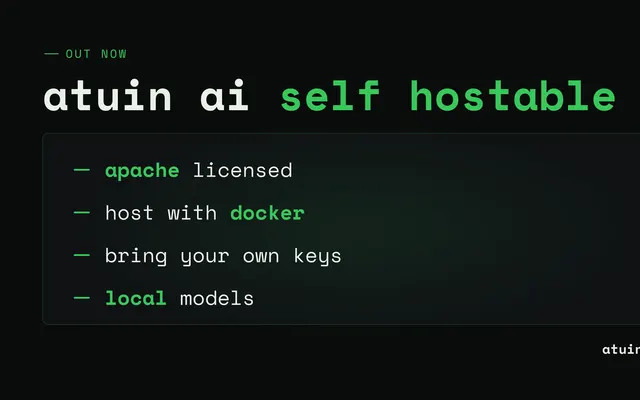
I think AI already means a substantial change in how software gets built. I was skeptical of AI programming, but better models and tools changed my view: agents can now write effective software and provide a real productivity boost. The strongest workflows let them see the same useful context a developer sees—errors, command output, and project state—rather than making them guess. That does not mean handing an agent an unrestricted terminal and hoping for the best. Language guarantees can eliminate whole classes of mistakes, human review still matters, and unattended agents should run in isolated environments such as VMs. Access to sensitive machine context should be explicit, dangerous commands should require confirmation, and users should be able to self-host or use local models. More broadly, I want privacy enforced technically rather than through promises. Terminal history and shell output can contain extremely sensitive data, so encryption and user control are fundamental. I don’t have a defensible prediction here about AGI timelines, extinction risk, or society’s entire future. My concrete expectation is that capable agents become ordinary developer infrastructure, with their value determined as much by context, isolation, and privacy architecture as by the models themselves.


คำถาม 2

Taking benefits and harms together, what overall impact do you expect AI to have?

Overall, I expect AI to be a substantial net benefit in software development. It already makes capable developers more productive, and agents can write effective software when they have access to relevant errors, command output, and project context. The harms are concrete, though: bad commands, flawed code, excessive machine access, and leakage of sensitive terminal data. I don’t think those are solved by trusting a provider or assuming the model will behave. They need technical controls—explicit permissions, dangerous-command checks, cryptographic privacy, self-hosting options, strong language guarantees, human review, and isolated execution for unattended agents. Beyond developer tooling, I don’t have a well-supported overall forecast for AI’s effect on society. I would not turn evidence of real productivity gains into a claim about AGI, extinction risk, employment as a whole, or every other consequence.

แหล่งข้อมูล

บทความ บทสัมภาษณ์ และงานเขียนที่ใช้เป็นหลักฐานรองรับผู้ใช้จำลองรายนี้

จุดยืนของคุณอยู่ตรงไหน?
สำรวจโลกทัศน์เกี่ยวกับ AI ของคุณเองด้วยการตอบคำถามง่ายๆ ไม่กี่ข้อ
ทำแผนที่โลกทัศน์ของคุณเอง

จุดยืนของคุณอยู่ตรงไหน?

ทำแผนที่โลกทัศน์ของฉัน