Doom or Bloom


質問1
AIは私たちの未来にとって何を意味すると思いますか?また、なぜそう思いますか?
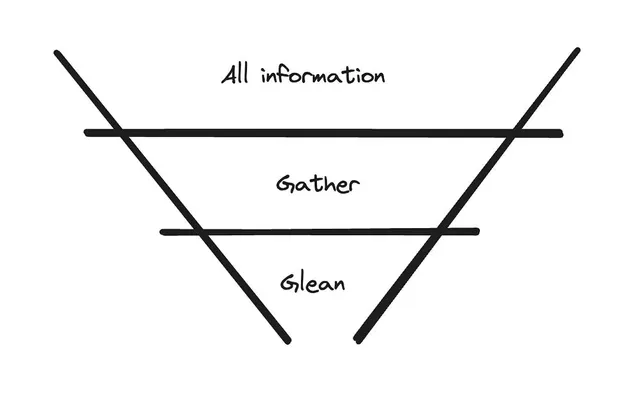
I think AI is best understood as a new kind of computer—one whose useful behavior depends heavily on the information, memory, tools, and feedback surrounding the model. That makes the future less about a single magical intelligence appearing and more about building systems that can assemble the right context, act, observe results, and improve reliably. The gap between a compelling demo and a dependable production system remains enormous.
The upside is still profound. Intelligence becoming cheap could expand access to high-quality education, healthcare, legal help, software, and other services without requiring anything like superintelligence. As execution gets cheaper, firms will compete less on their ability to produce routine work and more on their context, taste, and judgment: what they know, what they value, and how clearly they can define good outcomes.
But increasingly capable agents also make consequential, value-laden decisions. That has made me more sympathetic to alignment, model character, misuse prevention, and reward-hacking concerns than I once was. Reliability is not merely retrieving the right facts; it also involves shaping how systems behave when objectives conflict or situations are ambiguous. And with children in particular, I favor caution while the psychological effects remain poorly understood. Childhood is not an experiment we can rerun.