質問1
Elizabeth Warren
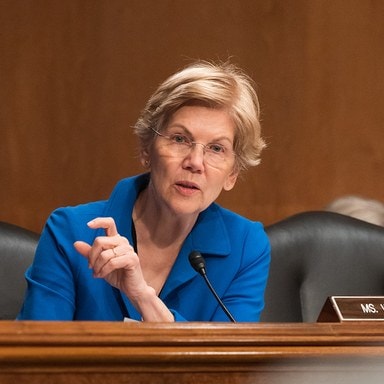
Senate websiteSenator who calls for AI safeguards and public oversight, and argues that people should share its benefits.
AIは世界をどのように変えるでしょうか?
横軸:彼女が表明したDoom–Bloomの見通し。 縦軸:変革の規模。
Doom–Bloom:100点中32。変革の規模:100点中61。解釈範囲:横方向は25から50、縦方向は20から100。これらは解釈上の座標であり、事象の確率ではありません。
≈11%
本人が示した数値ではなく、シミュレーションされた本人の回答から推定したものです。 妥当と考えられる範囲:4–27%。
中心的な前提
So my expectation is conditional: if we let corporations write the rules, AI could deepen inequality, concentrate power, and create serious economic and security risks.回答2
この前提が実際には異なると判明した場合、彼女の見通しはどう変わりますか?
未解決の問い
But I’m not going to pretend I know exactly which inventions will arrive or when.回答1
ここで考えられる結果を彼女が見分けるうえで、何が役立ちますか?
詳細
大きな恩恵が予想されていますが、重要な条件や分配上の制約があります。
58 / 100
質的尺度での解釈範囲は33から67です。
深刻または広範な害が、予想される将来の実質的な一部となっています。
67 / 100
質的尺度での解釈範囲は67から67です。
人間の選択によって、AIの軌道を大幅に変えることができます。
82 / 100
質的尺度での解釈範囲は75から100です。
シミュレーション上の位置:より高性能なAIの開発を停止するか、大幅に減速させます。
明示された安全対策の下で開発を継続します。
より高性能なAIの開発を加速させます。
これらの解釈では、彼女が示した条件が維持されています。恩恵と害は、どちらも大きくなり得ます。この範囲は、統計的な信頼区間ではなく、彼女のシミュレーションされた回答をどのように読み取ったかを示すものです。
似ている世界観
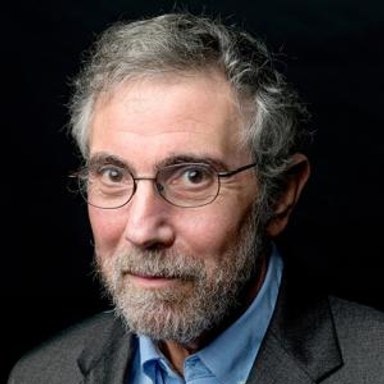
シミュレーションされた世界観がElizabeth Warrenの世界観に最も近いオピニオンリーダー
Elizabeth WarrenがAIについて語ったこと
Warren recognizes AI’s promise while calling for an advanced-development pause, public safeguards and a fair distribution of benefits and costs.
“We should immediately press pause on the development of advanced AI while lawmakers and regulators put systems in place to keep people safe.”
Official Senate statement “The American people deserve to share in the success of this technology.”
TIME op-ed, reproduced by Senate office “I cannot say what the future of this technology will hold—what new inventions or expanded capacities will bring.”
Prepared Vanderbilt Policy Accelerator remarks “Meaningful constraints to prevent civilian harm in warfare are a moral, legal, and strategic necessity”
Letter to OpenAI, Senate office publication “But these tools should not be deployed in a way that asks taxpayers to shoulder the risks while enriching company executives and investors.”
Letter to OpenAI, Senate office publication
リンク先の出典から原文どおりに引用(2026年10月3日に確認)
シミュレーション評価
出典
このシミュレーション対象者の根拠として使用された記事、インタビュー、著作です。
Latest official personal statement. Calls frontier models dangerous without adequate safeguards and demands an immediate pause in advanced development while lawmakers and regulators establish protection. Rejects voluntary pacing and weakening antitrust as a response. Names cyberattack, economic crisis and national-security disaster as reasons for urgent legislative action.

Full authored TIME op-ed reproduced by her office. Recognizes tremendous promise but calls for sharing gains, changing tax incentives that favor replacing workers, wealth and corporate taxation, and an energy-use excise tax. Conditional mass-displacement responses include health care, training, a jobs guarantee and stronger unemployment insurance. Does not claim those scenarios are inevitable.

Full prepared remarks inspected. Says AI has enormous potential and expressly declines to forecast its future inventions or capabilities. Sees an investment bubble and a possible debt-driven financial crisis that could affect savings, credit and unrelated workers. Proposes structural financial safeguards, a digital regulator, taxation and executive accountability; the crash remains conditional.

Bipartisan demand for mandatory annual disclosure of energy consumption, electricity pricing, deposits, grid-upgrade costs and their allocation. Argues voluntary industry promises cannot be enforced without comprehensive data. Accountability and protecting household ratepayers, not a forecast of unlimited AI energy growth, are the personal policy commitments.

Her letters question apparent retaliation against Anthropic and whether OpenAI’s Pentagon contract permits domestic surveillance or autonomous targeting without adequate protection. Demands meaningful constraints to prevent civilian harm. Allegations and doubts about contract safeguards are recorded as her concerns, not settled findings.

Requests financial transparency and details on possible taxpayer support. Objects to privatizing profits while socializing failures; acknowledges tax credits and loan guarantees can legitimately support critical industries and jobs. Financing concerns do not establish that AI is useless, and do not by themselves prove a bailout will occur.

Bipartisan bill targets vendor lock-in, competitive contracting, government data rights, barriers for smaller suppliers and consideration of multiple cloud providers. Supports useful public-sector innovation while resisting monopoly dependence. Sponsoring the bill is a policy preference, not evidence its provisions became law.

Questions whether Google-Anthropic and Microsoft-OpenAI partnerships evade antitrust scrutiny, consolidate talent and computing, and increase switching costs. Seeks information about reduced choice, prices and innovation. The letter’s concerns are not an adjudicated finding that either partnership is illegal.

あなたはどの位置でしょうか?
自分の世界観をマッピングする