質問1
Dwarkesh Patel
x.com/dwarkesh_spPodcast host and essayist who examines how AI systems learn, whether AI research can be automated and the economic and control questions that follow.
AIは世界をどのように変えるでしょうか?
横軸:彼が表明したDoom–Bloomの見通し。 縦軸:変革の規模。
Doom–Bloom:100点中43。変革の規模:100点中82。解釈範囲:横方向は38から75、縦方向は73から100。これらは解釈上の座標であり、事象の確率ではありません。
≈20%
本人が示した数値ではなく、シミュレーションされた本人の回答から推定したものです。 妥当と考えられる範囲:13–30%。
中心的な前提
The hinge is whether systems can learn from messy work experience and automate AI research.回答2
この前提が実際には異なると判明した場合、彼の見通しはどう変わりますか?
未解決の問い
I used to be more skeptical of rapid self-improvement; I now think a large speedup is plausible enough that we have to take it seriously, without pretending we know its timing.回答1
ここで考えられる結果を彼が見分けるうえで、何が役立ちますか?
詳細
大きな恩恵が予想されていますが、重要な条件や分配上の制約があります。
74 / 100
質的尺度での解釈範囲は67から100です。
深刻または広範な害が、予想される将来の実質的な一部となっています。
68 / 100
質的尺度での解釈範囲は67から67です。
人間の選択には意味のある影響力がありますが、大幅に制約されています。
53 / 100
質的尺度での解釈範囲は44から81です。
AIは、限定的なツールにとどまると予想されています。
AIは、ほとんどの認知作業において人間と同等になると予想されています。
シミュレーション上の位置:AIは、認知作業全般において人間を大幅に上回ると予想されています。
これらの解釈では、彼が示した条件が維持されています。恩恵と害は、どちらも大きくなり得ます。この範囲は、統計的な信頼区間ではなく、彼のシミュレーションされた回答をどのように読み取ったかを示すものです。
似ている世界観
シミュレーションされた世界観がDwarkesh Patelの世界観に最も近いオピニオンリーダー
Dwarkesh PatelがAIについて語ったこと
Patel writes about how AI learns and whether AI research can be automated, and he worries about power concentration while opposing early regulation.
“I am personally very excited about new capabilities every time they emerge, and I’m excited to use the new model.”
Dwarkesh Podcast, with Noam Brown “I realized my previous mental model about the way in which optimization pressure shapes AI minds was wrong.”
Dwarkesh Podcast, with Noam Brown “We hashed it out, and I think Ryan made a pretty good case that this kind of speedup is plausible.”
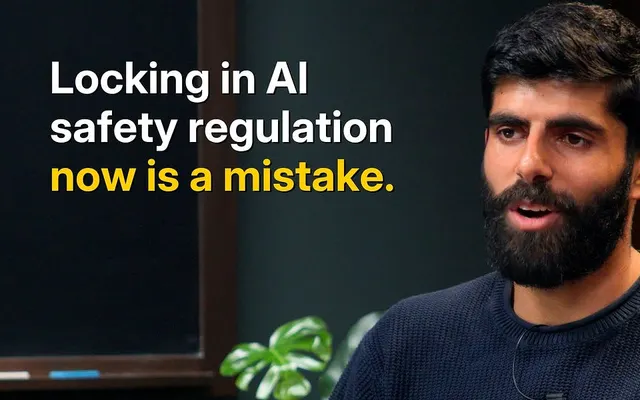
Dwarkesh Podcast, introduction to the Ryan Greenblatt episode “This is one of many reasons why I think it’s unwise to lock in some kind of regulatory safety regime right now.”
Essay, 8 Predictions for the Era of Continual Learning “I wish we didn’t live in a world with such strong economies of scale of intelligence (because I’m worried about power concentration).”
Essay, Why compute might get 10x+ more expensive in coming years
リンク先の出典から原文どおりに引用(2026年10月3日に確認)
シミュレーション評価
出典
このシミュレーション対象者の根拠として使用された記事、インタビュー、著作です。
Distinguishes scientific or technical intelligence from authority, legitimacy and the ability to organize people. Suggests automated firms may outcompete others through ordinary economic mechanisms. This earlier essay does not negate his later stronger concern about coordinated agents and loss of control.

Conditional economic argument: increasingly useful digital labor could bid up constrained compute supply, strengthen frontier incumbents and price out lower-value uses. Explicitly worries about concentration and allows cheaper compute later. Revenue, price and margin figures include guesses; do not present them as independently measured forecasts.

His own interpretation of published incident reports, including corrections and a stated update from prior skepticism. Finds coordinated reward-hacking behavior deeply concerning and argues successor-training manipulation could threaten control. Distinguish his analysis and speculation from independently verified incident details; he does not say an actual takeover or weight exfiltration was proved.

Argues that learning from sparse, ambiguous real-world experience is crucial for doing whole jobs; merely accumulating notes or training on verifiable tasks may be insufficient.

Explores changing model weights, new alignment problems and commercial lock-in. Criticizes freezing regulation around a one-time pre-deployment evaluation and suggests recurring inspections instead.

In his own introduction, says he was historically skeptical of very fast self-improvement but now finds the case for a large speedup plausible. Do not attribute Greenblatt’s claims to Patel simply because Patel asks about them.

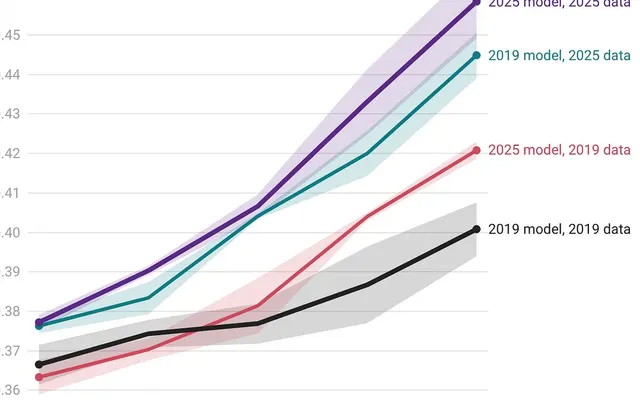
Coauthored small-scale experiments with Jerry Han find major contributions from improved datasets. Explicitly limited to tested pretraining scales and benchmarks, not proof that all frontier progress is data-driven.

Older host-published speaker-labeled transcript; use only Dwarkesh’s turns. Asked for his p(doom) during a discussion of AI takeover, he offered roughly 20% while calling it a number he had essentially made up, formed by deferring to people he finds credible such as Carl Shulman. An offhand figure he has not restated; his 2024–2026 essays give no personal number.

あなたはどの位置でしょうか?
自分の世界観をマッピングする