




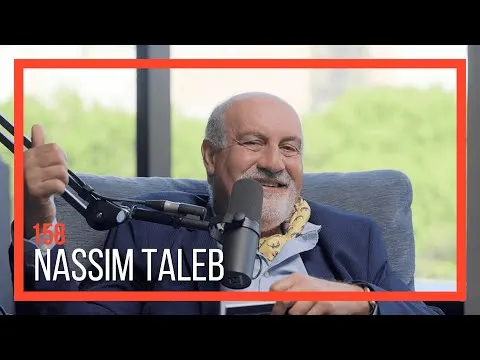
Nassim Nicholas Taleb

Nassim Nicholas Taleb

x.com/nntaleb

Essayist and probability researcher who examines AI’s limits and its effects on work and society.

एआई दुनिया को कैसे बदलेगा?

सभ्यता-स्तरीय बदलावक्रमिक बदलावDoomBloom
सिम्युलेट की गई स्थितिव्याख्या का दायरा

आर-पार: उनका व्यक्त किया गया Doom–Bloom दृष्टिकोण। ऊपर: बदलाव का स्तर।

Doom–Bloom: 100 में से 17। बदलाव का स्तर: 100 में से 67। व्याख्या के दायरे: क्षैतिज रूप से 12 से 25, लंबवत रूप से 48 से 77। ये व्याख्या के निर्देशांक हैं, घटनाओं की संभावनाएँ नहीं।

Nassim Nicholas Taleb का P(doom) · अनुमानित

≈4%

0%100%

उनके सिम्युलेट किए गए उत्तरों से अनुमान लगाया गया है, यह उनके द्वारा बताई गई संख्या नहीं है। संभावित दायरा: 3–9%।

हम P(doom) का अनुमान कैसे लगाते हैं

Nassim Nicholas Taleb के पड़ावों की समय-सीमा
  1. काम और संस्थाएँ

    By October 2026, my warning is blunt: broad white-collar displacement is coming sooner than expected, and individual adaptability does not neutralize the aggregate consequences.

    उत्तर 1

पड़ाव के अनुसार समूहबद्ध; अनुमानित तारीखों के अंतर या क्रम के अनुसार नहीं। एजीआई और अतिमानवीय एआई की उनकी परिभाषाएँ बरकरार रखी गई हैं।

उनका दृष्टिकोण किन बातों पर निर्भर करता है

एक मुख्य मान्यता

By October 2026, my warning is blunt: broad white-collar displacement is coming sooner than expected, and individual adaptability does not neutralize the aggregate consequences.
उत्तर 1

अगर यह मान्यता अलग साबित होती, तो उनका दृष्टिकोण कैसे बदलता?

एक अनसुलझा सवाल

I don’t have a defensible numerical probability.
उत्तर 3

यहाँ संभावित नतीजों के बीच फर्क करने में उन्हें किस चीज़ से मदद मिलेगी?

क्या उनकी राय बदल सकता है

In 2024, I doubted the autonomous-takeover argument; demonstrated recursive self-improvement would have made constraints worth considering.
उत्तर 3

कौन-सा प्रमाण पर्याप्त होगा, और उससे उनका दृष्टिकोण किस दिशा में बदलेगा?

अधिक जानकारी

अपेक्षित लाभ

कई व्याख्याएँ अब भी संभव हैं: सीमित लाभ या बहुत छोटे दायरे में बँटे लाभों की उम्मीद है। / काफ़ी लाभ की उम्मीद है, लेकिन उनके साथ महत्वपूर्ण शर्तें या वितरण संबंधी सीमाएँ होंगी।

48 / 100

कम असरबदलावकारी असर

गुणात्मक पैमाने पर व्याख्या का दायरा 33 से 67 तक है।

अपेक्षित नुकसान

गंभीर या व्यापक नुकसान के भविष्य का एक ठोस और अपेक्षित हिस्सा होने की उम्मीद है।

67 / 100

कम असरबदलावकारी असर

गुणात्मक पैमाने पर व्याख्या का दायरा 67 से 67 तक है।

मानवीय प्रभाव

आपके उत्तरों पर आधारित एक अस्थायी अनुमान; विस्तृत दायरा अन्य संभावित व्याख्याएँ दिखाता है।

48 / 100

कम प्रभावमजबूत प्रभाव

गुणात्मक पैमाने पर व्याख्या का दायरा 0 से 100 तक है।

इन व्याख्याओं में उनकी बताई गई शर्तें बरकरार रखी गई हैं। लाभ और नुकसान, दोनों पर्याप्त हो सकते हैं। ये दायरे बताते हैं कि हम उनके सिम्युलेट किए गए उत्तरों को कैसे समझते हैं, ये सांख्यिकीय विश्वास-अंतराल नहीं हैं।

Nassim Nicholas Taleb की तुलना में आपकी सोच कहाँ ठहरती है?
लगभग 3 मिनट में एआई के बारे में अपना विश्वदृष्टिकोण मैप करें, फिर तुलना करें

मिलते-जुलते विश्वदृष्टिकोण

ऐसे जाने-माने विचारक जिनके सिम्युलेट किए गए विश्वदृष्टिकोण Nassim Nicholas Taleb के विश्वदृष्टिकोण से सबसे अधिक मिलते हैं

Nassim Nicholas Taleb ने एआई के बारे में क्या कहा है

Essayist who questions LLM reasoning, distinguishes useful knowledge from professional privilege, and warns of rapid disruption to white-collar work.

  1. “Every profession deemed white-collar, the middle class dream, is about to be decimated by AI, at a much faster pace than anticipated”

    X, white-collar disruption warning
  2. “Something bad for the (existing) class of mathematicians as they lose their privilege, but not necessarily bad for mathematics & our body of knowledge?”

    X, mathematicians and mathematical knowledge
  3. “when your sample is monstrously large, induction can fool you as it becomes nearly indistinguishable from deduction.”

    X, induction and deduction
  4. “You can't put constraints ahead of time on research.”

    The Joe Walker Podcast, Meditations on Extremistan

लिंक किए गए स्रोतों से शब्दशः उद्धृत, 23 अक्टू॰ 2026 को जाँचा गया

स्रोत

इस सिम्युलेट किए गए उपयोगकर्ता को तथ्य-आधारित बनाने के लिए इस्तेमाल किए गए लेख, इंटरव्यू और रचनाएँ।

सिम्युलेट किया गया आकलन

सवाल 1

आपके विचार में एआई हमारे भविष्य के लिए क्या मायने रखती है—और क्यों?

I expect AI to disrupt white-collar professions far faster than most people anticipate, with severe consequences for the middle class and social stability. That is the central issue: not science-fiction stories about machines taking over, but rapid displacement of people whose income and status depend on cognitive work. We should separate three questions that are often confused. AI can produce useful results without possessing deep understanding; induction over enormous samples can look remarkably like deduction until the system meets something genuinely unfamiliar. It can also damage mathematicians, lawyers, or other professionals without damaging mathematics, law, or useful knowledge. Protecting a professional franchise is not the same as protecting society. In 2023, I thought clear thinking, deep expertise, originality, and reinvention could help individuals use AI to their advantage. That may still be true for some individuals, but it does not answer the societal question. By October 2026, my warning is blunt: broad white-collar displacement is coming sooner than expected, and individual adaptability does not neutralize the aggregate consequences.

सवाल 2

आपके हिसाब से एआई अंततः दुनिया को कितना बदल देगा?

Enormously. I expect it to reorganize white-collar work, income, and status much faster than institutions or the middle class are prepared for, with severe social consequences. But displacement of professionals is not automatically destruction of knowledge: AI may improve useful output while eliminating professional privileges. Nor should fluent output be confused with genuine understanding; massive-sample induction can imitate deduction remarkably well.

सवाल 3

आपको सहज रूप से कितनी संभावना लगती है कि एआई मानव विलुप्ति या ऐसी ही किसी स्थायी आपदा का कारण बनेगा?

I don’t have a defensible numerical probability. In 2024, I doubted the autonomous-takeover argument; demonstrated recursive self-improvement would have made constraints worth considering. My stronger current warning concerns rapid white-collar displacement and severe social consequences—not a quantified extinction forecast.

सवाल 4

एक अच्छे भविष्य में इंसान होने की किन बातों को बनाए रखना ज़रूरी होगा?

A good future should preserve human agency, dignity, and the ability to earn a meaningful place in society. Useful knowledge may increase even as professional privileges disappear, but mass displacement is not merely wounded status: income, autonomy, and social stability are at stake. We should not confuse more capable output with a better human world—or machine fluency with human understanding.
आपकी सोच कहाँ ठहरती है?
कुछ आसान सवालों के जवाब देकर एआई के बारे में अपना विश्वदृष्टिकोण जानें।
अपना विश्वदृष्टिकोण मैप करें

आपकी सोच कहाँ ठहरती है?

मेरा विश्वदृष्टिकोण मैप करें