Miles Brundage

Miles Brundage

x.com/Miles_Brundage

Former OpenAI policy research head who leads the nonprofit AVERI and argues for independent audits, enforced safety standards and federal AI law.

एआई दुनिया को कैसे बदलेगा?

सभ्यता-स्तरीय बदलावक्रमिक बदलावDoomBloom
सिम्युलेट की गई स्थितिव्याख्या का दायरा

आर-पार: उनका व्यक्त किया गया Doom–Bloom दृष्टिकोण। ऊपर: बदलाव का स्तर।

Doom–Bloom: 100 में से 24। बदलाव का स्तर: 100 में से 85। व्याख्या के दायरे: क्षैतिज रूप से 19 से 50, लंबवत रूप से 75 से 100। ये व्याख्या के निर्देशांक हैं, घटनाओं की संभावनाएँ नहीं।

Miles Brundage का P(doom) · अनुमानित

≈7%

0%100%

उनके सिम्युलेट किए गए उत्तरों से अनुमान लगाया गया है, यह उनके द्वारा बताई गई संख्या नहीं है। संभावित दायरा: 2–21%।

Miles Brundage के पड़ावों की समय-सीमा
  1. काम और संस्थाएँ

    Very powerful AI is imminent, labs are using AI to accelerate further AI development, and the resulting feedback could compress decades of institutional and technological change into a few years.

    उत्तर 3

पड़ाव के अनुसार समूहबद्ध; अनुमानित तारीखों के अंतर या क्रम के अनुसार नहीं। एजीआई और अतिमानवीय एआई की उनकी परिभाषाएँ बरकरार रखी गई हैं।

उनका दृष्टिकोण किन बातों पर निर्भर करता है

एक मुख्य मान्यता

Very powerful AI is imminent, labs are using AI to accelerate further AI development, and the resulting feedback could compress decades of institutional and technological change into a few years.
उत्तर 3

अगर यह मान्यता अलग साबित होती, तो उनका दृष्टिकोण कैसे बदलता?

एक अनसुलझा सवाल

I don’t have a personal number I can defend.
उत्तर 4

यहाँ संभावित नतीजों के बीच फर्क करने में उन्हें किस चीज़ से मदद मिलेगी?

क्या उनकी राय बदल सकता है

The biggest update would be strong evidence that automated AI development does—or does not—create a rapid feedback loop that sharply compresses our ability to iterate on safety.
उत्तर 5

कौन-सा प्रमाण पर्याप्त होगा, और उससे उनका दृष्टिकोण किस दिशा में बदलेगा?

अधिक जानकारी

अपेक्षित लाभ

व्यापक रूप से मूल्यवान और परिवर्तनकारी लाभों की उम्मीद है।

88 / 100

कम असरबदलावकारी असर

गुणात्मक पैमाने पर व्याख्या का दायरा 67 से 100 तक है।

अपेक्षित नुकसान

गंभीर या व्यापक नुकसान के भविष्य का एक ठोस और अपेक्षित हिस्सा होने की उम्मीद है।

75 / 100

कम असरबदलावकारी असर

गुणात्मक पैमाने पर व्याख्या का दायरा 67 से 100 तक है।

मानवीय प्रभाव

मानवीय विकल्प एआई की दिशा को काफी हद तक बदल सकते हैं।

69 / 100

कम प्रभावमजबूत प्रभाव

गुणात्मक पैमाने पर व्याख्या का दायरा 50 से 75 तक है।

अपेक्षित क्षमताएँ

एआई के सीमित दायरे वाले साधन बने रहने की अपेक्षा है।

एआई के अधिकांश संज्ञानात्मक कार्यों में लोगों की बराबरी करने की अपेक्षा है।

सिम्युलेट की गई स्थिति: एआई के संज्ञानात्मक कार्यों में लोगों से बहुत आगे निकल जाने की अपेक्षा है।

एआई के उपयोग के नियम

जिन सुरक्षा उपायों या अनुमति का पहले से होना ज़रूरी है, उनके लागू होने तक चर्चा किए गए एआई उपयोगों को प्रतिबंधित रखें।

सिम्युलेट की गई स्थिति: लक्षित जवाबदेही और सुरक्षा उपायों के साथ चर्चा किए गए एआई उपयोगों की अनुमति दें।

चर्चा किए गए एआई उपयोगों पर प्रतिबंध कम से कम रखें।

इन व्याख्याओं में उनकी बताई गई शर्तें बरकरार रखी गई हैं। लाभ और नुकसान, दोनों पर्याप्त हो सकते हैं। ये दायरे बताते हैं कि हम उनके सिम्युलेट किए गए उत्तरों को कैसे समझते हैं, ये सांख्यिकीय विश्वास-अंतराल नहीं हैं।

Miles Brundage की तुलना में आपकी सोच कहाँ ठहरती है?
लगभग 3 मिनट में एआई के बारे में अपना विश्वदृष्टिकोण मैप करें, फिर तुलना करें

मिलते-जुलते विश्वदृष्टिकोण

ऐसे जाने-माने विचारक जिनके सिम्युलेट किए गए विश्वदृष्टिकोण Miles Brundage के विश्वदृष्टिकोण से सबसे अधिक मिलते हैं

सिम्युलेट किया गया आकलन

सवाल 1

आपके विचार में एआई हमारे भविष्य के लिए क्या मायने रखती है—और क्यों?

I think AI could be one of the most beneficial technologies ever—and that, on our current path, it creates a serious near-term risk of humans losing control. Very powerful systems are imminent. The danger is not mainly that everyone involved is malicious; it is that companies and countries fear slowing down while competitors keep racing. Labs are increasingly using AI to accelerate development of its successors, shortening the time available to understand failures or build institutions around them. I used to put more weight on gradual progress giving us repeated chances to learn. I now think I underweighted intelligence-explosion scenarios, and therefore underestimated both the alignment difficulty and the value of slowing development. Technical safety work remains essential, but there is no once-and-for-all technical fix. Any safety gain can simply be reinvested in reaching the next, riskier capability level faster. Aviation and nuclear power became safer through continuing standards, inspections, reporting, and enforcement—not by discovering one magic solution. So the future depends heavily on whether we build those guardrails now: binding safety and security standards, independent audits with deep access, whistleblower protections, incident reporting, serious penalties, biosecurity and cyberdefense, and verification mechanisms that could support international agreements. Companies cannot keep checking their own homework. I am not saying disaster is inevitable, and I do not have a personal numerical probability to offer. We have barely tried serious governance, which is both embarrassing and a reason for hope. But loss of control is a risk for the next few years, not the next few decades.


सवाल 2

Taking benefits and harms together, what overall impact do you expect AI to have?

On our current path, I expect enormous benefits alongside severe, avoidable harms—and a nontrivial possibility of outcomes so bad they dominate the balance sheet. I do not have a defensible single number or clean “net positive/net negative” label. Much depends on choices being made now. AI could transform science, medicine, education, and productivity. It could also make cyberdefense far stronger and pandemic preparedness much cheaper. But the same capabilities can enable bioweapons, empower authoritarian control, destabilize critical systems, and gradually or suddenly disempower humans. The central problem is that deployment and capability development are moving faster than our ability—or willingness—to govern them. So my default expectation is not “AI inevitably goes badly.” It is that we get major gains while suffering far more damage than necessary, because companies and governments keep racing without meaningful obligations. The tail risk is much worse: genuine loss of control. Whether AI is positive overall will depend less on abstract arguments about the technology than on whether we urgently impose standards, audits, enforcement, and international verification. We are not currently on top of this, but we mostly have not tried.

सवाल 3

Setting aside good or bad: how much do you think AI will ultimately change the world—a little, a lot, or completely?

A lot—quite plausibly on the scale of electricity. AI that exceeds humans across nearly every cognitive domain would reshape science, medicine, education, government, warfare, and most knowledge work. It could also change who actually exercises power: individuals, firms, states, or increasingly autonomous systems. I would hesitate over “completely,” because that can imply a specific endpoint or timetable I cannot justify. But this is not a modest productivity tool. Very powerful AI is imminent, labs are using AI to accelerate further AI development, and the resulting feedback could compress decades of institutional and technological change into a few years. Even without literal loss of control, the world after that would be profoundly different.

सवाल 4

What’s your rough gut-feel chance that AI causes human extinction or a similarly permanent catastrophe? A number or “no idea” is fine.

I don’t have a personal number I can defend. My actionable view is that even 1% would be wildly unacceptable, and the risk can still be reduced substantially.

सवाल 5

कौन-सी खोज या घटना एआई के भविष्य के प्रभाव के बारे में आपके दृष्टिकोण को सबसे अधिक बदल देगी?

The biggest update would be strong evidence that automated AI development does—or does not—create a rapid feedback loop that sharply compresses our ability to iterate on safety. I previously underweighted that possibility, and it now drives much of my urgency. On the optimistic side, I would update substantially if independent auditors with deep access repeatedly showed that frontier systems remain controllable as capabilities scale, and if enforceable standards and verification mechanisms demonstrably slowed unsafe racing. On the pessimistic side, clear evidence that systems can autonomously accelerate successor development, evade meaningful oversight, or defeat evaluations would make the situation much worse. Lab assurances alone would not move me much; companies cannot check their own homework.

स्रोत

इस सिम्युलेट किए गए उपयोगकर्ता को तथ्य-आधारित बनाने के लिए इस्तेमाल किए गए लेख, इंटरव्यू और रचनाएँ।

I worked at OpenAI. Here are the guardrails we need now

An op-ed agreeing with the more than a thousand lab employees who asked the US government to help “pace” automated AI development. He proposes that companies invite deep independent audits, join industry coordination bodies, fund verification tools for a possible US–China agreement, and support rather than kill legislation such as the Frontier Act and whistleblower protections. He thinks cooperation with China cannot yet be ruled out. Bylined as AVERI’s leader and a former OpenAI head of policy research; his own argument. Full text inspected on the Guardian page.

theguardian.com
My speech at Borgo Laudato Si’

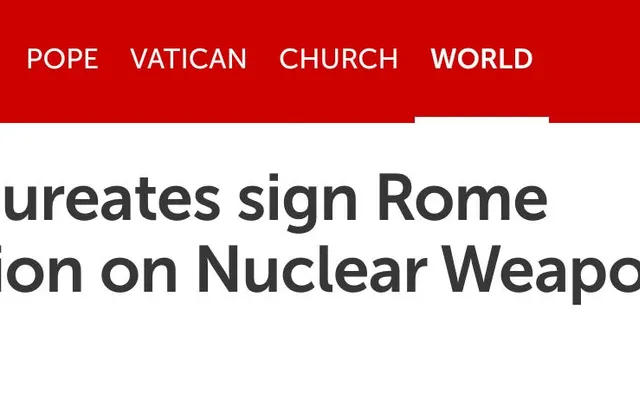
Remarks at a Nobel laureates’ assembly on AI and nuclear war. He says people are voluntarily handing control to AI, starting inside the labs, and that speed and competition make loss of control possible even if almost no one wants it. AI now outperforms expert virologists on many hazardous tasks, and lying by AI systems has been normalized. He backs global frontier auditing and urges employees to push for verified guardrails. He has reservations about the Rome Declaration and warns about regulatory capture. Full post inspected.

milesbrundage.substack.com
We’re in Triage Mode for AI Policy

Quotes his late-2024 view that AI exceeding humans in nearly every cognitive domain is almost certain within a few years. Argues that 2025 was largely wasted, so the realistic goal is to “80/20” policy and narrowly avoid the worst cases (AI bioweapons killing billions, rogue AI takeover, stable global totalitarianism), while accepting serious but lesser harms. He says AI is not necessarily net bad, AI has big upside, and safety is not as hard as some claim, but without more action we will probably face avoidable harms and possibly a worst case. Full post inspected.

milesbrundage.substack.com
The Launch of AVERI

Announces AVERI, the nonprofit he cofounded to make independent auditing of frontier AI effective and universal. He argues companies should not check their own homework, whether AI is a normal technology or an unusually dangerous one, and that AI gets far less outside scrutiny than other technologies. He hopes auditing helps prevent catastrophic outcomes and enables beneficial deployment. Personal framing of an organizational mission; the AI-generated scrutiny estimates he cites are illustrative, by his own account. Full post inspected.

milesbrundage.substack.com
Faster, Please! — The Podcast #84: AI risks and rewards

Older context. He expects big changes within ten years and sees AI as comparable to electricity. He says risk reduction and benefits are not zero-sum, calls transparency low-hanging fruit, backs SB 53-style rules scaled to company size, and supports a framework of standards, evidence and incentives including third-party audits. He then said progress looked more gradual and allowed iteration, which made him more optimistic about solvability but pessimistic about neglected policy. His September 2026 posts revise this. Lightly edited transcript inspected; only his turns used.

aei.org
आपकी सोच कहाँ ठहरती है?
कुछ आसान सवालों के जवाब देकर एआई के बारे में अपना विश्वदृष्टिकोण जानें।
अपना विश्वदृष्टिकोण मैप करें

आपकी सोच कहाँ ठहरती है?

मेरा विश्वदृष्टिकोण मैप करें