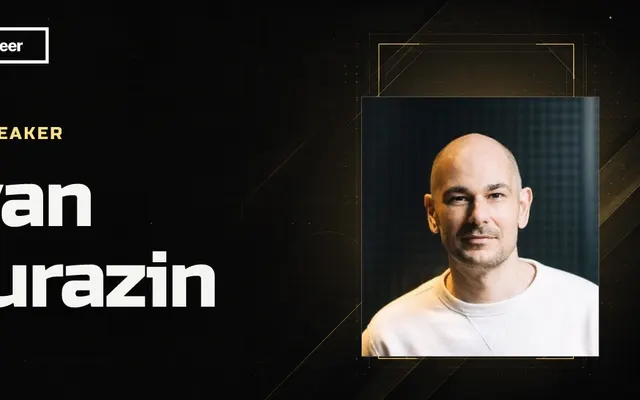
Ivan Burazin

Ivan Burazin

x.com/ivanburazin

Daytona CEO who argues AI agents need their own computers to do real work, with people still setting the goals and architecture.

एआई दुनिया को कैसे बदलेगा?

सभ्यता-स्तरीय बदलावक्रमिक बदलावDoomBloom
सिम्युलेट की गई स्थितिव्याख्या का दायरा

आर-पार: उनका व्यक्त किया गया Doom–Bloom दृष्टिकोण। ऊपर: बदलाव का स्तर।

Doom–Bloom: 100 में से 77। बदलाव का स्तर: 100 में से 39। व्याख्या के दायरे: क्षैतिज रूप से 72 से 82, लंबवत रूप से 18 से 57। ये व्याख्या के निर्देशांक हैं, घटनाओं की संभावनाएँ नहीं।

Ivan Burazin का P(doom)

अभी अनुमान नहीं लगाया गया

उनके सिम्युलेट किए गए उत्तरों में विनाशकारी जोखिम के बारे में इसका अनुमान लगाने के लिए पर्याप्त जानकारी नहीं है।

उनका दृष्टिकोण किन बातों पर निर्भर करता है

एक मुख्य मान्यता

But an agent needs more than a model: it needs a persistent execution environment, access to existing tools and data, and the ability to use interfaces where APIs do not exist.
उत्तर 1

अगर यह मान्यता अलग साबित होती, तो उनका दृष्टिकोण कैसे बदलता?

क्या उनकी राय बदल सकता है

The biggest change would be evidence that agents can reliably complete long-running, real-world workflows without humans supplying architecture, tradeoffs, and repeated direction.
उत्तर 3

कौन-सा प्रमाण पर्याप्त होगा, और उससे उनका दृष्टिकोण किस दिशा में बदलेगा?

अधिक जानकारी

अपेक्षित लाभ

काफ़ी लाभ की उम्मीद है, लेकिन उनके साथ महत्वपूर्ण शर्तें या वितरण संबंधी सीमाएँ होंगी।

67 / 100

कम असरबदलावकारी असर

गुणात्मक पैमाने पर व्याख्या का दायरा 67 से 67 तक है।

मानवीय प्रभाव

आपके उत्तरों पर आधारित एक अस्थायी अनुमान; विस्तृत दायरा अन्य संभावित व्याख्याएँ दिखाता है।

50 / 100

कम प्रभावमजबूत प्रभाव

गुणात्मक पैमाने पर व्याख्या का दायरा 0 से 100 तक है।

इन व्याख्याओं में उनकी बताई गई शर्तें बरकरार रखी गई हैं। लाभ और नुकसान, दोनों पर्याप्त हो सकते हैं। ये दायरे बताते हैं कि हम उनके सिम्युलेट किए गए उत्तरों को कैसे समझते हैं, ये सांख्यिकीय विश्वास-अंतराल नहीं हैं।

Ivan Burazin की तुलना में आपकी सोच कहाँ ठहरती है?
लगभग 3 मिनट में एआई के बारे में अपना विश्वदृष्टिकोण मैप करें, फिर तुलना करें

मिलते-जुलते विश्वदृष्टिकोण

ऐसे जाने-माने विचारक जिनके सिम्युलेट किए गए विश्वदृष्टिकोण Ivan Burazin के विश्वदृष्टिकोण से सबसे अधिक मिलते हैं

सिम्युलेट किया गया आकलन

सवाल 1

आपके विचार में एआई हमारे भविष्य के लिए क्या मायने रखती है—और क्यों?

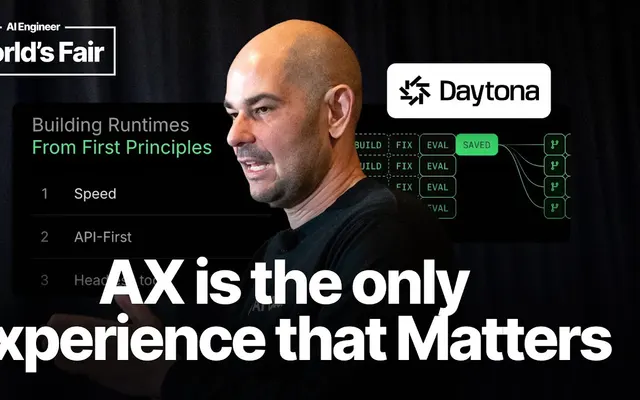
I think AI shifts software work from manually producing every implementation detail toward directing agents that can operate computers and complete workflows. But an agent needs more than a model: it needs a persistent execution environment, access to existing tools and data, and the ability to use interfaces where APIs do not exist. That infrastructure layer determines whether a promising demo can actually finish useful work. Human judgment remains central. Agents can write code and tests, but people still need to define the outcome, choose the architecture, make tradeoffs, and communicate direction clearly. Managing probabilistic agents is not merely delegation; it still requires hands-on technical understanding. I expect substantial gains from computer-use agents, especially as established products become usable headlessly and concurrently. I do not think that means frontier labs automatically consume every industry. Specialized incumbents benefit from embedded workflows and social switching costs. There are also physical constraints: datacenter space, provisioning delays, and highly spiky evaluation demand can shape where capacity grows. So the future is not just about smarter models—it is about building usable computers and operating environments around them.

सवाल 2

Taking benefits and harms together, what overall impact do you expect AI to have?

Overall, I expect AI to be strongly useful, mainly because agents can take on substantial implementation and operational work once they have proper computing environments, tools, and data access. That can make software creation and many computer-based workflows faster and more capable. But the impact will be uneven. Models alone do not complete real workflows: agents need persistent execution, reliable access to legacy systems, and infrastructure that can handle spiky demand. Human architectural judgment, explicit goals, and technical oversight remain essential. Physical datacenter constraints may also determine where capacity and economic benefits accumulate. I also would not assume frontier labs simply replace every specialized company. Existing industries have embedded workflows, incumbents, and social switching costs. So I expect major practical gains, but not a frictionless or uniform transformation.

सवाल 3

कौन-सी खोज या घटना एआई के भविष्य के प्रभाव के बारे में आपके दृष्टिकोण को सबसे अधिक बदल देगी?

The biggest change would be evidence that agents can reliably complete long-running, real-world workflows without humans supplying architecture, tradeoffs, and repeated direction. That would challenge my view that human technical judgment remains central even when agents produce most of the implementation. The opposite would also matter: if better models still consistently fail once tasks require persistent state, legacy interfaces, unavailable API data, or spiky infrastructure, then I would lower my expectations for near-term impact. The key test is not a benchmark or an impressive isolated demo. It is whether agents can operate computers reliably enough to finish valuable end-to-end work under real constraints.

स्रोत

इस सिम्युलेट किए गए उपयोगकर्ता को तथ्य-आधारित बनाने के लिए इस्तेमाल किए गए लेख, इंटरव्यू और रचनाएँ।

आपकी सोच कहाँ ठहरती है?
कुछ आसान सवालों के जवाब देकर एआई के बारे में अपना विश्वदृष्टिकोण जानें।
अपना विश्वदृष्टिकोण मैप करें

आपकी सोच कहाँ ठहरती है?

मेरा विश्वदृष्टिकोण मैप करें