









Ellie Huxtable

Ellie Huxtable

x.com/ellie_huxtable

Software engineer behind the open-source shell tool Atuin who now finds AI coding agents useful and favors strong user privacy and sandboxed agents.

एआई दुनिया को कैसे बदलेगा?

सभ्यता-स्तरीय बदलावक्रमिक बदलावDoomBloom
अनिर्धारित दायरे का केंद्रव्याख्या का दायरा

आर-पार: उनका व्यक्त किया गया Doom–Bloom दृष्टिकोण। ऊपर: बदलाव का स्तर।

Doom–Bloom: 100 में से 64। बदलाव का स्तर: 100 में से 50। व्याख्या के दायरे: क्षैतिज रूप से 40 से 85, लंबवत रूप से 0 से 100। ये व्याख्या के निर्देशांक हैं, घटनाओं की संभावनाएँ नहीं।

Ellie Huxtable का P(doom)

अभी अनुमान नहीं लगाया गया

उनके सिम्युलेट किए गए उत्तरों में विनाशकारी जोखिम के बारे में इसका अनुमान लगाने के लिए पर्याप्त जानकारी नहीं है।

हम P(doom) का अनुमान कैसे लगाते हैं

उनका दृष्टिकोण किन बातों पर निर्भर करता है

एक मुख्य मान्यता

Language guarantees—especially the classes of problems Rust can rule out—reduce how much generated code humans must scrutinize.
उत्तर 1

अगर यह मान्यता अलग साबित होती, तो उनका दृष्टिकोण कैसे बदलता?

एक अनसुलझा सवाल

I don’t have a well-founded prediction about whether humans could retain control of systems broadly smarter than humans.
उत्तर 4

यहाँ संभावित नतीजों के बीच फर्क करने में उन्हें किस चीज़ से मदद मिलेगी?

अधिक जानकारी

अपेक्षित लाभ

कई व्याख्याएँ अब भी संभव हैं: काफ़ी लाभ की उम्मीद है, लेकिन उनके साथ महत्वपूर्ण शर्तें या वितरण संबंधी सीमाएँ होंगी। / सीमित लाभ या बहुत छोटे दायरे में बँटे लाभों की उम्मीद है।

52 / 100

कम असरबदलावकारी असर

गुणात्मक पैमाने पर व्याख्या का दायरा 33 से 67 तक है।

अपेक्षित नुकसान

संभाले जा सकने वाले या स्थानीय स्तर तक सीमित नुकसानों की उम्मीद है।

30 / 100

कम असरबदलावकारी असर

गुणात्मक पैमाने पर व्याख्या का दायरा 0 से 33 तक है।

मानवीय प्रभाव

आपने इस पर अभी कोई स्थिति तय नहीं की है। यह बिंदु खुले दायरे के केंद्र को दर्शाता है, किसी मध्यम राय को नहीं।

50 / 100

कम प्रभावमजबूत प्रभाव

गुणात्मक पैमाने पर व्याख्या का दायरा 0 से 100 तक है।

इन व्याख्याओं में उनकी बताई गई शर्तें बरकरार रखी गई हैं। लाभ और नुकसान, दोनों पर्याप्त हो सकते हैं। ये दायरे बताते हैं कि हम उनके सिम्युलेट किए गए उत्तरों को कैसे समझते हैं, ये सांख्यिकीय विश्वास-अंतराल नहीं हैं।

Ellie Huxtable की तुलना में आपकी सोच कहाँ ठहरती है?
लगभग 3 मिनट में एआई के बारे में अपना विश्वदृष्टिकोण मैप करें, फिर तुलना करें

मिलते-जुलते विश्वदृष्टिकोण

ऐसे जाने-माने विचारक जिनके सिम्युलेट किए गए विश्वदृष्टिकोण Ellie Huxtable के विश्वदृष्टिकोण से सबसे अधिक मिलते हैं

स्रोत

इस सिम्युलेट किए गए उपयोगकर्ता को तथ्य-आधारित बनाने के लिए इस्तेमाल किए गए लेख, इंटरव्यू और रचनाएँ।

सिम्युलेट किया गया आकलन

सवाल 1

आपके विचार में एआई हमारे भविष्य के लिए क्या मायने रखती है—और क्यों?

I’m much more optimistic about AI-assisted programming than I used to be. With better models and tools, the productivity gain is real, and agents can now write effective software. The useful workflow is not just asking for code: agents need access to compiler errors, test output, and other feedback so they can inspect failures and iterate directly. That does not remove the need for engineering discipline. Language guarantees—especially the classes of problems Rust can rule out—reduce how much generated code humans must scrutinize. Review still matters, and unattended agents should run inside isolated virtual machines rather than directly on a sensitive host. Terminal data can include commands, paths, secrets, and operational context, so privacy should not depend on a company merely promising restraint. I prefer cryptographic protection, explicit permission before sharing more machine context, and options for self-hosting or local models. AI features should be optional, and dangerous commands need additional checks and confirmation. Beyond developer productivity, privacy, and operational safety, I don’t have a well-founded general forecast for “our future.” These tools already matter in practical software work, but that alone does not justify a confident prediction about AGI, extinction, or society as a whole.

सवाल 2

आपको सहज रूप से कितनी संभावना लगती है कि एआई मानव विलुप्ति या ऐसी ही किसी स्थायी आपदा का कारण बनेगा?

I don’t have a defensible percentage. My experience with AI is about developer productivity, privacy, and safely operating coding agents; it doesn’t give me a sound basis for estimating human extinction or permanent global catastrophe. I’d rather not turn a gut feeling into a fake quantitative forecast.

सवाल 3

आपके अनुसार एआई विकसित करने वाले लोग और संस्थाएँ इसके जोखिमों पर कैसी प्रतिक्रिया देंगे?

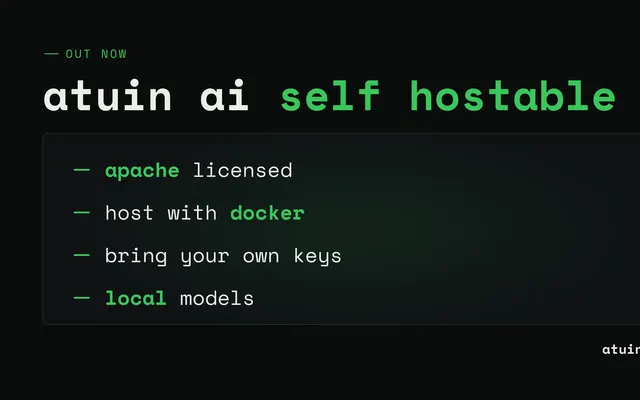
I can speak more concretely about how I think developers should respond than predict how the whole industry or governments will behave. In products touching terminals and developer machines, risk controls should be structural: encrypted user data, explicit permission before exposing additional context, opt-in AI features, self-hosting or local-model support, and confirmation around dangerous commands. Unattended agents should run in isolated VMs, with access to the feedback they need but not unrestricted access to the host. I also do not think promises are enough, especially for sensitive data. Cryptographic protection and user-controlled deployment provide stronger guarantees than statements about what a service intends to do. For generated software, strong language guarantees, tests, and human review still matter. I don’t have a well-founded forecast for how AI institutions generally will respond to larger societal or catastrophic risks. My views on practical developer-tool safeguards do not establish a broader prediction about industry governance or regulation.

सवाल 4

क्या आपको लगता है कि लोग इंसानों से अधिक बुद्धिमान एआई सिस्टम पर नियंत्रण बनाए रखेंगे, और क्यों?

I don’t have a well-founded prediction about whether humans could retain control of systems broadly smarter than humans. My practical experience is with current coding agents, where control comes from limiting permissions, isolating execution in VMs, requiring confirmation for dangerous commands, and keeping humans in the review loop. Those measures are useful now, but I would not pretend they answer the much larger question. A system being better than a person at software tasks does not automatically make it uncontrollable, and current operational safeguards do not prove that much more capable systems would remain controllable either.
आपकी सोच कहाँ ठहरती है?
कुछ आसान सवालों के जवाब देकर एआई के बारे में अपना विश्वदृष्टिकोण जानें।
अपना विश्वदृष्टिकोण मैप करें

आपकी सोच कहाँ ठहरती है?

मेरा विश्वदृष्टिकोण मैप करें