






सवाल 1
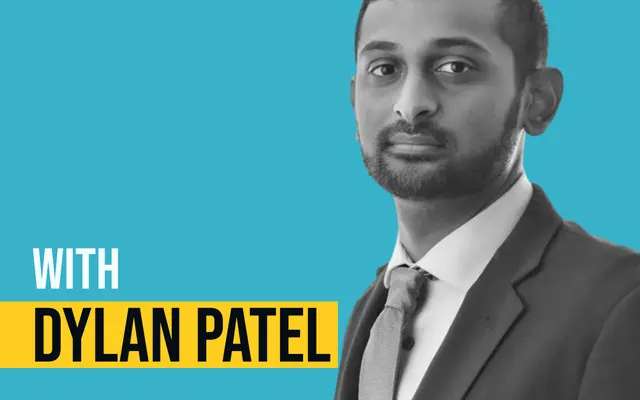
Dylan Patel
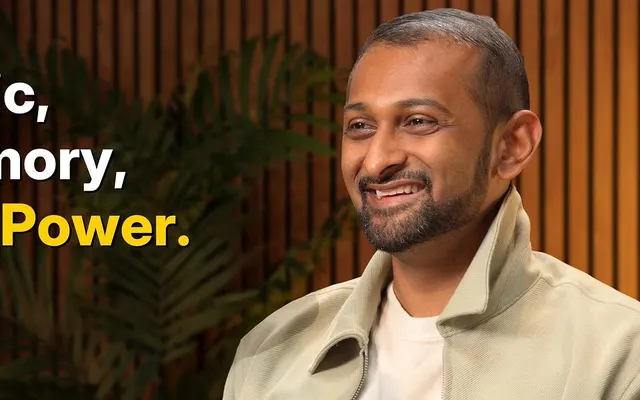
x.com/dylan522pFounder of SemiAnalysis who tracks AI chips and compute, expects fast AI progress and worries about power concentration and public backlash.
एआई दुनिया को कैसे बदलेगा?
आर-पार: उनका व्यक्त किया गया Doom–Bloom दृष्टिकोण। ऊपर: बदलाव का स्तर।
Doom–Bloom: 100 में से 61। बदलाव का स्तर: 100 में से 87। व्याख्या के दायरे: क्षैतिज रूप से 50 से 75, लंबवत रूप से 75 से 100। ये व्याख्या के निर्देशांक हैं, घटनाओं की संभावनाएँ नहीं।
≈7%
उनके सिम्युलेट किए गए उत्तरों से अनुमान लगाया गया है, यह उनके द्वारा बताई गई संख्या नहीं है। संभावित दायरा: 3–19%।
एक मुख्य मान्यता
But “ultimately” hides the hard part: diffusion may lag capability because the best models are expensive, compute-constrained and increasingly reserved for labs or a few connected customers.उत्तर 2
अगर यह मान्यता अलग साबित होती, तो उनका दृष्टिकोण कैसे बदलता?
एक अनसुलझा सवाल
So I cannot tell you whether smarter-than-human AI escapes human control.उत्तर 4
यहाँ संभावित नतीजों के बीच फर्क करने में उन्हें किस चीज़ से मदद मिलेगी?
अधिक जानकारी
काफ़ी लाभ की उम्मीद है, लेकिन उनके साथ महत्वपूर्ण शर्तें या वितरण संबंधी सीमाएँ होंगी।
69 / 100
गुणात्मक पैमाने पर व्याख्या का दायरा 67 से 67 तक है।
गंभीर या व्यापक नुकसान के भविष्य का एक ठोस और अपेक्षित हिस्सा होने की उम्मीद है।
67 / 100
गुणात्मक पैमाने पर व्याख्या का दायरा 67 से 67 तक है।
मानवीय विकल्प सीमित बदलाव ला सकते हैं, लेकिन प्रभावशाली शक्तियाँ परिणाम को सीमित करती हैं।
36 / 100
गुणात्मक पैमाने पर व्याख्या का दायरा 24 से 51 तक है।
एआई के सीमित दायरे वाले साधन बने रहने की अपेक्षा है।
एआई के अधिकांश संज्ञानात्मक कार्यों में लोगों की बराबरी करने की अपेक्षा है।
सिम्युलेट की गई स्थिति: एआई के संज्ञानात्मक कार्यों में लोगों से बहुत आगे निकल जाने की अपेक्षा है।
इन व्याख्याओं में उनकी बताई गई शर्तें बरकरार रखी गई हैं। लाभ और नुकसान, दोनों पर्याप्त हो सकते हैं। ये दायरे बताते हैं कि हम उनके सिम्युलेट किए गए उत्तरों को कैसे समझते हैं, ये सांख्यिकीय विश्वास-अंतराल नहीं हैं।
मिलते-जुलते विश्वदृष्टिकोण
ऐसे जाने-माने विचारक जिनके सिम्युलेट किए गए विश्वदृष्टिकोण Dylan Patel के विश्वदृष्टिकोण से सबसे अधिक मिलते हैं
Dylan Patel ने एआई के बारे में क्या कहा है
Patel expects AI demand to keep surging and calls a voluntary slowdown wishful thinking, and he warns of concentrating power and public backlash.
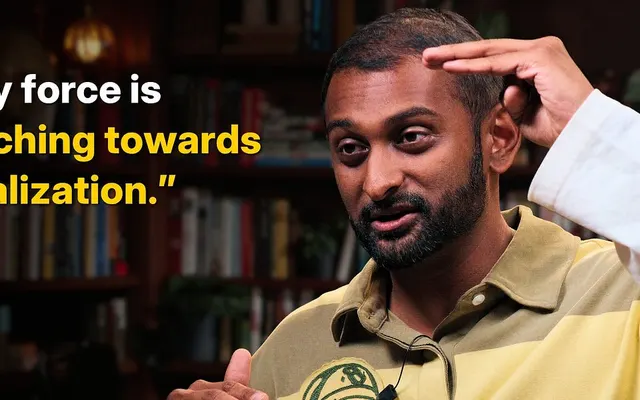
“Because it seems to me that every force is screeching towards centralization. And that’s scary as hell.”
Dwarkesh Podcast “Everyone who’s elected is going to hate AI. Even the people who are elected already hate AI.”
Dwarkesh Podcast “Slowing down AI is a ultimately wishful thinking”
Post on X “While you blinked, AI consumed all of software development.”
Post on X “Generally, humanity is going to suffer a lot less, I’m very optimistic about that. I do worry of like techno-fascism type stuff arising.”
Lex Fridman Podcast
लिंक किए गए स्रोतों से शब्दशः उद्धृत, 6 अक्टू॰ 2026 को जाँचा गया
स्रोत
इस सिम्युलेट किए गए उपयोगकर्ता को तथ्य-आधारित बनाने के लिए इस्तेमाल किए गए लेख, इंटरव्यू और रचनाएँ।
Dwarkesh Podcast. Says OpenAI and Anthropic took about a third of new compute in 2026 and, if trends continue (“I see nothing that’s stopping it”), will control most usable FLOPs by end-2028, and that labs are shifting compute from inference to R&D. Regulation (labs not releasing their best models, state data-center bans), public anger and rising interest rates will bend the curve; slow takeoff is “at least my hope”, and “we could tear ourselves apart before we get there”. Calls the push toward centralization “scary as hell”, says he trusts neither the government nor Dario Amodei nor Sam Altman, and sees a choice between super-concentration where we pray one company gets everything right and governments slowing things for a balance of power. Own turns in the publisher transcript inspected, 00:00–00:07, 00:25:40–00:33:27 and 00:48:48 to the end.

Invest Like the Best, episode 469. Describes SemiAnalysis spending about $7 million a year on Claude Code against roughly $25 million in salaries, and says other firms will soon cut staff when one person does the work of five to fifteen. Says the uncertainty causes some fear about how society reforms itself when implementation is cheap and choosing ideas matters, and expects the newest models to be deployed ever more narrowly, concentrating token value among the well-connected. Predicts large-scale protests against Anthropic and OpenAI within three months because people hate AI, and says lab leaders should stop giving interviews about world-changing capabilities and show present, uplifting uses instead. Own turns read in an undiarized auto-caption copy (the publisher transcript is members-only); turns identified by question-and-answer structure.

Dwarkesh Podcast. Says OpenAI and Anthropic know what compute they need while Nvidia and the rest of the supply chain are not “AGI-pilled” and build less, making ASML’s EUV tools the main constraint by about 2030. If takeoff or timelines are slow, China can catch up drastically through subsidies and a vertical supply chain; distillation will get harder as labs sell automated work rather than visible reasoning. Thinks Elon Musk sees Taiwan risk as huge, and that losing Taiwan’s fabs would shrink global GDP and stall compute growth. Own turns in the publisher transcript inspected, 01:05:37–01:16:01 and 02:14:07 to the end, with spot reads elsewhere.

Matthew Berman interview. Says the junior developer market is “nuked” and AI tools are for everyone, not just coders. Describes himself as a lifelong capitalist from a family that ran a motel and gas stations who has come to think UBI is fine because society will otherwise rip itself apart; predicts the next election will be AI-focused with an anti-AI party winning as more than half of Americans view AI negatively and everything gets blamed on it. Calls degrowth a terrible idea because technology creates abundance, while saying cheap dopamine makes people less happy. Own turns read in an undiarized auto-generated transcript fetched through a web reader; the passages used contain his first-person biography, and no quotes are taken.

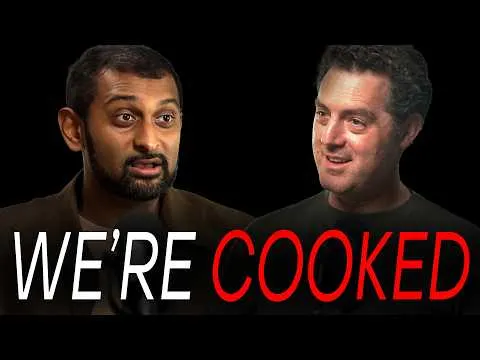
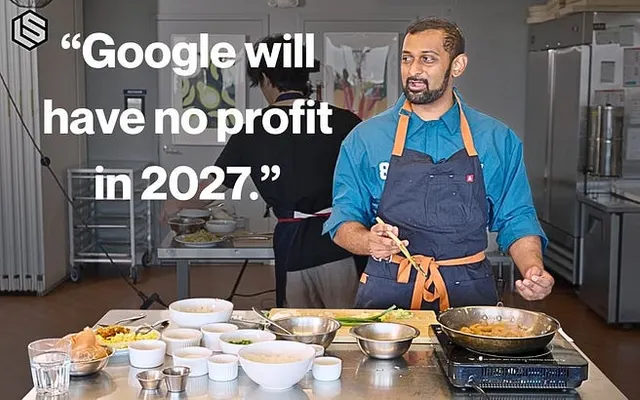
Latent Space cooking episode. Says he is not fully on board with AI 2027 but is pretty bullish on AI; AI is a bubble only if model progress slows, and it is accelerating month on month. Names the biggest risk as the general public hating AI, expects a real backlash from both the financial class and ordinary people, and says any party that wants to win should become the anti-AI party. On whether AI kills us all, says there is obviously risk but it is not his expertise and he does not care to opine. Own turns in the publisher’s speaker-labeled transcript inspected, 00:13:50–00:21:30 and 00:35:30–00:38:45.

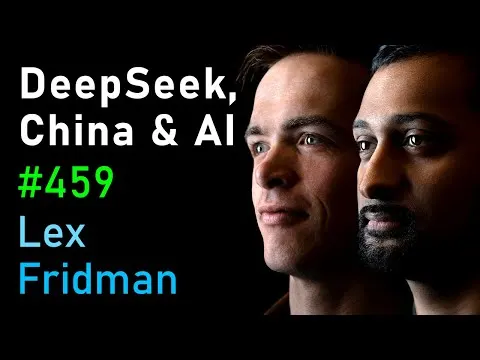
Lex Fridman Podcast #459 with Nathan Lambert. Says capabilities some would call AGI may arrive around 2027–2028 but cost will limit deployment, so “really awesome intelligence” comes before it permeates the economy; export controls only make sense on short timelines; Sam Altman’s point that superhuman persuasion may come before superhuman intelligence is a real risk. At the end says humanity will suffer a lot less and he is very optimistic, but worries about techno-fascism in which a few people, merged with AGI through brain-computer interfaces, rule everyone else. Own turns in the publisher transcript inspected (searched passages on AGI, export controls, persuasion and the closing segment); older context.

सिम्युलेट किया गया आकलन
सवाल 2
आपके हिसाब से एआई अंततः दुनिया को कितना बदल देगा?
सवाल 3
आपको सहज रूप से कितनी संभावना लगती है कि एआई मानव विलुप्ति या ऐसी ही किसी स्थायी आपदा का कारण बनेगा?
सवाल 4
क्या आपको लगता है कि लोग इंसानों से अधिक बुद्धिमान एआई सिस्टम पर नियंत्रण बनाए रखेंगे, और क्यों?
आपकी सोच कहाँ ठहरती है?
मेरा विश्वदृष्टिकोण मैप करें