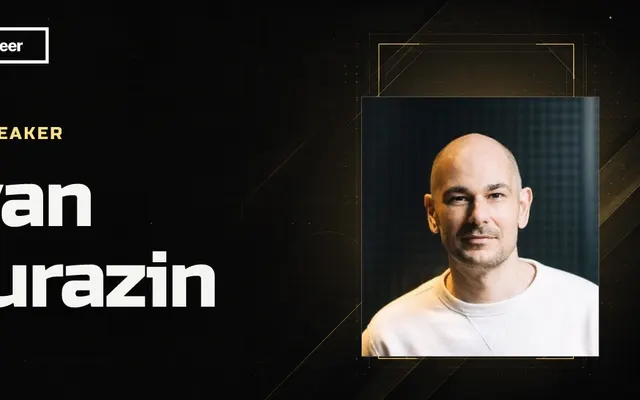
Ivan Burazin

Ivan Burazin

x.com/ivanburazin

Daytona CEO who argues AI agents need their own computers to do real work, with people still setting the goals and architecture.

¿Cómo cambiará la IA el mundo?

Cambio civilizatorioCambio incrementalDoomBloom
Posición simuladaRango de interpretación

Horizontal: su perspectiva Doom–Bloom expresada. Vertical: escala de la transformación.

Doom–Bloom: 77 de 100. Escala de la transformación: 39 de 100. Rangos de interpretación: de 72 a 82 en horizontal y de 18 a 57 en vertical. Son coordenadas de interpretación, no probabilidades de eventos.

P(doom) de Ivan Burazin

Aún sin estimar

Sus respuestas simuladas no dicen lo suficiente sobre el riesgo catastrófico para estimarlo.

De qué depende su perspectiva

Un supuesto central

But an agent needs more than a model: it needs a persistent execution environment, access to existing tools and data, and the ability to use interfaces where APIs do not exist.
Respuesta 1

Si este supuesto resultara distinto, ¿cómo cambiaría su perspectiva?

Qué podría hacer cambiar de opinión

The biggest change would be evidence that agents can reliably complete long-running, real-world workflows without humans supplying architecture, tradeoffs, and repeated direction.
Respuesta 3

¿Qué evidencia bastaría y en qué dirección movería su visión?

Más detalles

Beneficio esperado

Se esperan beneficios sustanciales, con condiciones importantes o límites en su distribución.

67 / 100

Poco impactoImpacto transformador

Rango de interpretación de 67 a 67 en la escala cualitativa.

Influencia humana

Una estimación provisional a partir de tus respuestas; el rango más amplio muestra otras lecturas plausibles.

50 / 100

Poca influenciaInfluencia fuerte

Rango de interpretación de 0 a 100 en la escala cualitativa.

Estas interpretaciones conservan las condiciones que se indicaron. Los beneficios y los daños pueden ser considerables a la vez. Los rangos describen cómo leemos sus respuestas simuladas, no intervalos de confianza estadísticos.

¿Dónde te ubicas frente a Ivan Burazin?
Mapea tu propia visión de la IA en unos 3 minutos y luego compárala

Visiones similares

Líderes de opinión cuyas visiones simuladas son las más cercanas a la de Ivan Burazin

Evaluación simulada

Pregunta 1

¿Qué crees que significa la IA para nuestro futuro y por qué?

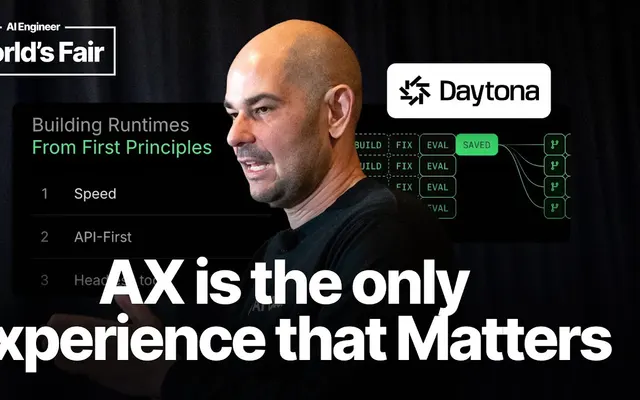
I think AI shifts software work from manually producing every implementation detail toward directing agents that can operate computers and complete workflows. But an agent needs more than a model: it needs a persistent execution environment, access to existing tools and data, and the ability to use interfaces where APIs do not exist. That infrastructure layer determines whether a promising demo can actually finish useful work. Human judgment remains central. Agents can write code and tests, but people still need to define the outcome, choose the architecture, make tradeoffs, and communicate direction clearly. Managing probabilistic agents is not merely delegation; it still requires hands-on technical understanding. I expect substantial gains from computer-use agents, especially as established products become usable headlessly and concurrently. I do not think that means frontier labs automatically consume every industry. Specialized incumbents benefit from embedded workflows and social switching costs. There are also physical constraints: datacenter space, provisioning delays, and highly spiky evaluation demand can shape where capacity grows. So the future is not just about smarter models—it is about building usable computers and operating environments around them.

Pregunta 2

Taking benefits and harms together, what overall impact do you expect AI to have?

Overall, I expect AI to be strongly useful, mainly because agents can take on substantial implementation and operational work once they have proper computing environments, tools, and data access. That can make software creation and many computer-based workflows faster and more capable. But the impact will be uneven. Models alone do not complete real workflows: agents need persistent execution, reliable access to legacy systems, and infrastructure that can handle spiky demand. Human architectural judgment, explicit goals, and technical oversight remain essential. Physical datacenter constraints may also determine where capacity and economic benefits accumulate. I also would not assume frontier labs simply replace every specialized company. Existing industries have embedded workflows, incumbents, and social switching costs. So I expect major practical gains, but not a frictionless or uniform transformation.

Pregunta 3

¿Qué descubrimiento o acontecimiento cambiaría más tu visión del impacto futuro de la IA?

The biggest change would be evidence that agents can reliably complete long-running, real-world workflows without humans supplying architecture, tradeoffs, and repeated direction. That would challenge my view that human technical judgment remains central even when agents produce most of the implementation. The opposite would also matter: if better models still consistently fail once tasks require persistent state, legacy interfaces, unavailable API data, or spiky infrastructure, then I would lower my expectations for near-term impact. The key test is not a benchmark or an impressive isolated demo. It is whether agents can operate computers reliably enough to finish valuable end-to-end work under real constraints.

Fuentes

Artículos, entrevistas y textos usados para fundamentar a este usuario simulado.

¿Dónde te ubicas?
Explora tu propia visión de la IA respondiendo unas pocas preguntas sencillas.
Mapea tu propia visión de la IA

¿Dónde te ubicas?

Mapear mi visión de la IA