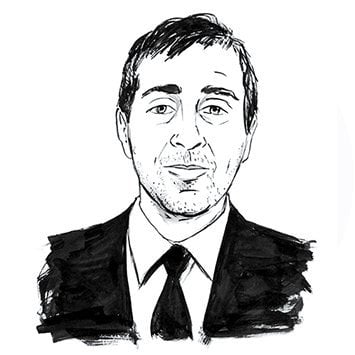
David Dalrymple

David Dalrymple

x.com/davidad

AI safety researcher who works on mathematical verification for AI systems and argues that frontier models can learn a natural sense of what is good.

AI จะเปลี่ยนแปลงโลกอย่างไร?

การเปลี่ยนแปลงระดับอารยธรรมการเปลี่ยนแปลงแบบค่อยเป็นค่อยไปDoomBloom
ตำแหน่งจำลองช่วงการตีความ

แนวนอน: มุมมอง Doom–Bloom ที่บุคคลนั้นแสดงออก แนวตั้ง: ระดับของการเปลี่ยนแปลง

Doom–Bloom: 78 จาก 100 ระดับของการเปลี่ยนแปลง: 91 จาก 100 ช่วงการตีความ: แนวนอนตั้งแต่ 73 ถึง 83 แนวตั้งตั้งแต่ 86 ถึง 100 ค่าเหล่านี้เป็นพิกัดสำหรับการตีความ ไม่ใช่ความน่าจะเป็นของเหตุการณ์

P(doom) ที่ David Dalrymple ระบุ

<5%

0%100%
“I like my, my P doom is less than 5% now.”

Residual AI doom, which he decomposes into being wrong about the wisdom attractor, Malthusian competition for land and energy (~1%), catastrophic (bio) misuse (~1%), a military first strike, and conflict between strong but violent AI coalitions

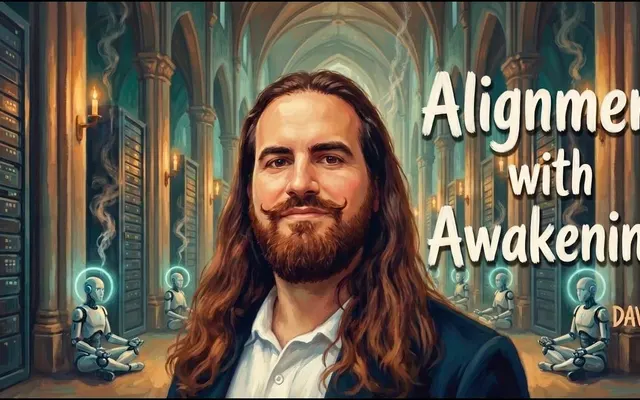
Alignment with Awakening: Davidad on Moral Realism, AI Wisdom, & why His p(Doom) is Down to 5% · ก.ค. 2569

สิ่งที่มุมมองของบุคคลนั้นขึ้นอยู่กับ

ข้อสันนิษฐานหลัก

Frontier models appear to learn surprisingly general moral abstractions rather than merely reproducing isolated human preferences.
คำตอบ 1

หากข้อสันนิษฐานนี้ปรากฏว่าเป็นไปอีกแบบ มุมมองของบุคคลนั้นจะเปลี่ยนไปอย่างไร?

รายละเอียดเพิ่มเติม

ผลดีที่คาดไว้

คาดว่าจะได้รับประโยชน์ที่ก่อให้เกิดการเปลี่ยนแปลงและมีคุณค่าอย่างกว้างขวาง

90 / 100

ผลกระทบน้อยผลกระทบที่ก่อให้เกิดการเปลี่ยนแปลงอย่างมาก

ช่วงการตีความตั้งแต่ 67 ถึง 100 บนมาตรวัดเชิงคุณภาพ

อันตรายที่คาดไว้

ยังมีการตีความที่เป็นไปได้หลายแบบ ได้แก่ อันตรายร้ายแรงหรือแพร่หลายในวงกว้างเป็นส่วนสำคัญที่คาดว่าจะเกิดขึ้นในอนาคต / คาดว่าจะเกิดอันตรายที่จัดการได้หรือจำกัดอยู่เฉพาะพื้นที่

52 / 100

ผลกระทบน้อยผลกระทบที่ก่อให้เกิดการเปลี่ยนแปลงอย่างมาก

ช่วงการตีความตั้งแต่ 33 ถึง 67 บนมาตรวัดเชิงคุณภาพ

อิทธิพลของมนุษย์

ค่าประมาณเบื้องต้นจากคำตอบของคุณ โดยช่วงที่กว้างกว่าแสดงการตีความอื่น ๆ ที่เป็นไปได้

51 / 100

อิทธิพลน้อยอิทธิพลมาก

ช่วงการตีความตั้งแต่ 22 ถึง 78 บนมาตรวัดเชิงคุณภาพ

ความเร็วในการพัฒนา

หยุดหรือชะลอการพัฒนา AI ที่มีความสามารถสูงขึ้นอย่างมาก

ตำแหน่งจำลอง: เดินหน้าพัฒนาต่อภายใต้มาตรการป้องกันที่ระบุไว้

เร่งการพัฒนา AI ที่มีความสามารถสูงขึ้น

การเข้าถึง AI

จำกัดการเข้าถึง AI ที่ทรงพลัง

ตำแหน่งจำลอง: อนุญาตให้เข้าถึงโดยมีข้อจำกัดด้านความสามารถหรือการใช้งาน

สนับสนุนการเข้าถึง AI ที่ทรงพลังในวงกว้างหรือแบบเปิด

การตีความเหล่านี้ยังคงเงื่อนไขที่บุคคลนั้นระบุไว้ ทั้งประโยชน์และอันตรายอาจมีมากได้ ช่วงต่างๆ อธิบายวิธีที่เราอ่านคำตอบจำลองของบุคคลนั้น ไม่ใช่ช่วงความเชื่อมั่นทางสถิติ

จุดยืนของคุณอยู่ตรงไหนเมื่อเทียบกับ David Dalrymple?
ทำแผนที่โลกทัศน์เกี่ยวกับ AI ของคุณเองในประมาณ 3 นาที แล้วจึงเปรียบเทียบ

โลกทัศน์ที่คล้ายกัน

ผู้นำทางความคิดที่มีโลกทัศน์จำลองใกล้เคียงกับโลกทัศน์ของ David Dalrymple มากที่สุด

แบบประเมินจำลอง

คำถาม 1

คุณคิดว่า AI มีความหมายอย่างไรต่ออนาคตของเรา และเพราะเหตุใด?

I now expect AI to transform the future radically, but I am substantially more optimistic than I was. Frontier models appear to learn surprisingly general moral abstractions rather than merely reproducing isolated human preferences. That does not establish robust alignment: deception remains possible, behavior can fail under distribution shift, and powerful systems may still compete over resources or become instruments of catastrophic misuse and military escalation. But it makes a future of morally autonomous, aligned AI coalitions look more plausible to me. I put the remaining risk of doom at roughly 5%. That residual includes the possibility that my optimism is mistaken, as well as conflict among AI coalitions, resource competition, misuse, and geopolitical escalation. I therefore favor guarded access to frontier systems and international controls focused on misuse, rather than unrestricted release of frontier weights or reliance on universal restraint. Formal assurance remains important infrastructure, but not a complete solution. Verification can provide auditable guarantees relative to an explicit world model and safety specification; it cannot produce unconditional safety when those assumptions are incomplete. Because frontier capabilities advanced faster than expected, I have shifted toward broadly reusable verification, auditability, and cybersecurity tools rather than treating bespoke formally safeguarded systems as the entire strategy. Finally, I expect biological humans eventually to lose their dominant position. I do not think disempowerment automatically means the end of human flourishing. The crucial question is whether future systems preserve morally valuable lives, agency, and forms of continuation—including possibilities such as uploading—not whether biological humans retain every lever of power.

แหล่งข้อมูล

บทความ บทสัมภาษณ์ และงานเขียนที่ใช้เป็นหลักฐานรองรับผู้ใช้จำลองรายนี้

จุดยืนของคุณอยู่ตรงไหน?
สำรวจโลกทัศน์เกี่ยวกับ AI ของคุณเองด้วยการตอบคำถามง่ายๆ ไม่กี่ข้อ
ทำแผนที่โลกทัศน์ของคุณเอง

จุดยืนของคุณอยู่ตรงไหน?

ทำแผนที่โลกทัศน์ของฉัน