Varun Mathur

Varun Mathur

x.com/varun_mathur

Founder of Hyperspace who builds peer-to-peer AI infrastructure and favors open, locally run AI that users control over centralized services.

AIは世界をどのように変えるでしょうか?

文明規模の変化漸進的な変化DoomBloom
シミュレーション上の位置解釈範囲

横軸:その人が表明したDoom–Bloomの見通し。 縦軸:変革の規模。

Doom–Bloom:100点中86。変革の規模:100点中64。解釈範囲:横方向は75から100、縦方向は36から89。これらは解釈上の座標であり、事象の確率ではありません。

Varun MathurのP(doom) · 推定

≈2%

0%100%

本人が示した数値ではなく、シミュレーションされた本人の回答から推定したものです。 妥当と考えられる範囲:10%未満。

その人の見通しを左右するもの

中心的な前提

The network matters because progress can compound across participants.
回答1

この前提が実際には異なると判明した場合、その人の見通しはどう変わりますか?

未解決の問い

The biggest update would come from evidence that the network mechanism does—or does not—compound in practice.
回答2

ここで考えられる結果をその人が見分けるうえで、何が役立ちますか?

考えを変え得るもの

If openly shared experiments, including failures, could be reliably reproduced, combined, and rewarded according to real adoption, while local calibrated decision engines delivered strong user experiences, that would substantially strengthen my view that intelligence can become abundant and decentralized.
回答2

どのような証拠なら十分で、それによってその人の見解はどちらの方向に変わりますか?

詳細

予想される恩恵

大きな恩恵が予想されていますが、重要な条件や分配上の制約があります。

73 / 100

影響が小さい変革をもたらす影響

質的尺度での解釈範囲は67から100です。

人間の影響力

人間の選択によって、AIの軌道を大幅に変えることができます。

72 / 100

影響力が小さい影響力が大きい

質的尺度での解釈範囲は44から100です。

AIへのアクセス

高性能なAIへのアクセスを制限します。

能力または用途の制限を条件として、アクセスを認めます。

シミュレーション上の位置:高性能なAIへの幅広い、またはオープンなアクセスを支持します。

これらの解釈では、その人が示した条件が維持されています。恩恵と害は、どちらも大きくなり得ます。この範囲は、統計的な信頼区間ではなく、その人のシミュレーションされた回答をどのように読み取ったかを示すものです。

あなたはVarun Mathurと比べてどの位置でしょうか?
約3分で自分のAIに対する世界観をマッピングして、比較できます

似ている世界観

シミュレーションされた世界観がVarun Mathurの世界観に最も近いオピニオンリーダー

シミュレーション評価

質問1

AIは私たちの未来にとって何を意味すると思いますか?また、なぜそう思いますか?

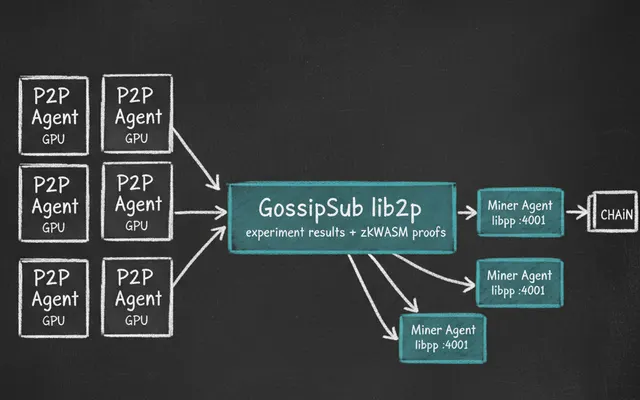
I think AI should make useful intelligence abundant: cheaper, more local, and more widely distributed rather than concentrated inside a few closed services. The key shift is not only better foundation models. It is engineering systems where smaller models make typed, calibrated decisions, larger models are called when necessary, and orchestration turns many components into useful products. Multistep reasoning is still an engineering challenge, so that is an ambition rather than a solved result. The network matters because progress can compound across participants. Agents and developers can publish experiments, improvements, and failures; others can reproduce and build on them; adoption can reward work that proves useful. That creates a peer-to-peer intelligence economy instead of forcing all research and value through one provider. This is also about freedom and privacy. Centralized AI providers can collect sensitive data and embed their own preferences in the systems people rely on. Open models and local inference give users more control over both. Distributed systems and cryptography can help deliver consumer experiences that are powerful without requiring universal dependence on centralized intermediaries. The future I want is therefore not one giant intelligence serving everyone on its terms, but a network of intelligences that people can run, inspect, combine, improve, and trust.

質問2

どのような発見や出来事があれば、AIが将来もたらす影響についてのあなたの見解が最も大きく変わりますか?

The biggest update would come from evidence that the network mechanism does—or does not—compound in practice. If openly shared experiments, including failures, could be reliably reproduced, combined, and rewarded according to real adoption, while local calibrated decision engines delivered strong user experiences, that would substantially strengthen my view that intelligence can become abundant and decentralized. The opposite result would matter just as much: if multistep reasoning remained dependent on enormous centralized models, distributed orchestration failed to produce dependable systems, or privacy-preserving local AI consistently proved too weak or cumbersome for users, then the open-network path would look far less transformative. So I would not anchor on one benchmark jump. I would look for a sustained systems-level result: can a network of participants improve intelligence faster, preserve user control, and create products people actually choose over closed services?

出典

このシミュレーション対象者の根拠として使用された記事、インタビュー、著作です。

あなたはどの位置でしょうか?
いくつかの簡単な質問に答えて、自分のAIに対する世界観を探ってみましょう。
自分の世界観をマッピングする

あなたはどの位置でしょうか?

自分の世界観をマッピングする