質問1

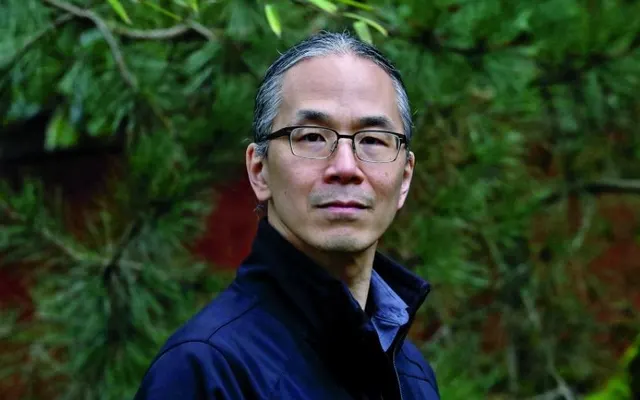
Ted Chiang
Science-fiction writer who examines AI, creativity and human agency, and argues that its uses reflect political and economic choices.
AIは世界をどのように変えるでしょうか?
横軸:彼が表明したDoom–Bloomの見通し。 縦軸:変革の規模。
Doom–Bloom:100点中28。変革の規模:100点中50。解釈範囲:横方向は23から33、縦方向は38から87。これらは解釈上の座標であり、事象の確率ではありません。
≈3%
本人が示した数値ではなく、シミュレーションされた本人の回答から推定したものです。 妥当と考えられる範囲:1–8%。
仕事と制度
In the near future, I expect serious economic and social repercussions from companies adopting generative AI to cut costs.
回答1
マイルストーン別にまとめており、推定される日付の間隔や順序を反映したものではありません。AGIと超人的AIには、彼の定義がそのまま適用されます。
中心的な前提
Its power comes from the corporation enforcing its decisions.回答2
この前提が実際には異なると判明した場合、彼の見通しはどう変わりますか?
未解決の問い
Extinction scenarios may be useful as thought experiments, but assigning a gut-feel percentage would suggest a confidence and predictive basis I do not have.回答3
ここで考えられる結果を彼が見分けるうえで、何が役立ちますか?
考えを変え得るもの
A convincing demonstration of a conscious artificial mind would change the philosophical question dramatically.回答4
どのような証拠なら十分で、それによって彼の見解はどちらの方向に変わりますか?
詳細
恩恵は限定的、または狭い範囲にしか行き渡らないと予想されています。
34 / 100
質的尺度での解釈範囲は33から33です。
深刻または広範な害が、予想される将来の実質的な一部となっています。
66 / 100
質的尺度での解釈範囲は67から67です。
人間の選択には意味のある影響力がありますが、大幅に制約されています。
60 / 100
質的尺度での解釈範囲は44から81です。
これらの解釈では、彼が示した条件が維持されています。恩恵と害は、どちらも大きくなり得ます。この範囲は、統計的な信頼区間ではなく、彼のシミュレーションされた回答をどのように読み取ったかを示すものです。
似ている世界観
シミュレーションされた世界観がTed Chiangの世界観に最も近いオピニオンリーダー
Ted ChiangがAIについて語ったこと
Chiang examines how AI affects human agency, creative work and education, while distinguishing current systems from fictional minds.
“I don’t think there’s a good philosophical argument for simply rolling over in the face of corporate power.”
Interview with Gamereactor “Generative AI is harmful enough when we understand it as a conventional technology”
The Atlantic, No, Artificial Intelligence Is Not Conscious “Your job is not to turn in completed assignments; it’s to learn how to think.”
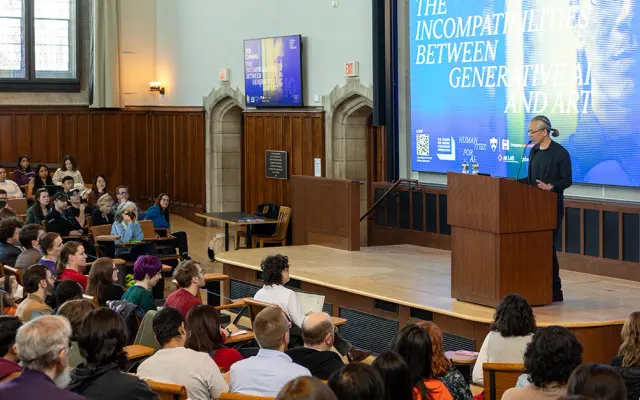
Q&A with Princeton Center for Digital Humanities “I’m not trying to argue against the use of generative AI as a brainstorming tool.”
Conversation with Andrew Erickson, Schaufler Lab at TU Dresden “And it costs thousands or millions of people their jobs.”
NPR All Things Considered interview
リンク先の出典から原文どおりに引用(2026年10月3日に確認)
シミュレーション評価
出典
このシミュレーション対象者の根拠として使用された記事、インタビュー、著作です。
Distinguishes interesting hypothetical thinking machines from present generative AI as corporate power. Says handing decisions to Amazon is not the philosophical choice science fiction explored. Discusses fiction as a way to dramatize questions and articulate opposing arguments, rather than dictate a conclusion. Acknowledges limits to his own judgment about adaptation and media. Complete English interview inspected.

Connects systems labeled AI with reduced worker and consumer autonomy, using Uber and Amazon work as examples. Distinguishes corporations deciding for people from hypothetical machines making decisions. Describes science fiction as exploring alternatives rather than predicting inventions, and writing as a slow process rather than a race. Complete interview text inspected. The article’s reference to a latest essay in June 2016 appears erroneous and is not used to date his work.

Rejects current LLM consciousness while preserving possible usefulness and economic impact. Demands human responsibility; conscious Claude is a counterfactual thought experiment. Full publisher text inspected via its Apple News URL.

Pushes back on messages that young people’s effort will become pointless. Says education develops capacities through exertion whose benefits may take time. Distinguishes productivity for people hiring artists from artists’ own goals. Does not claim to know what genuinely artist-serving future software would be. Entire Q&A inspected.

Explains niche creative-writing possibilities and why outsourcing essays defeats education’s purpose. Discusses material, labor and intellectual-property concerns. Distinguishes unexpected generative capabilities from the singularity stories influential in technology culture. Q&A inspected; its associated lecture occurred March 18, 2025.

Edited transcript on authorship, expert pattern detection, brainstorming, resistance to manipulation and conditional artificial-person development. All 13 pages inspected, attributing named answers only. Institutional announcement appeared January 22, 2026; the PDF dates the conversation June 18, 2025. Fictional and hypothetical scenarios remain separate from forecasts.

Distinguishes generative AI from fictional robot minds. Anticipates massive repercussions from cost-cutting deployment even without fundamental technological transformation: companies may damage industries and employment before realizing the tools disappoint. Requires control of artistic decisions rather than short-prompt delegation. Edited highlights and the named broadcast transcript inspected on NPR’s syndication page.

Older foundation: short prompts delegate artistic decisions. Allows hypothetical extensive iterative control despite doubts about mass-market incentives. Inspected publisher text and this counterexample.

あなたはどの位置でしょうか?
自分の世界観をマッピングする