Ivan Burazin

Ivan Burazin

x.com/ivanburazin

Daytona CEO who argues AI agents need their own computers to do real work, with people still setting the goals and architecture.

AIは世界をどのように変えるでしょうか?

文明規模の変化漸進的な変化DoomBloom
シミュレーション上の位置解釈範囲

横軸:その人が表明したDoom–Bloomの見通し。 縦軸:変革の規模。

Doom–Bloom:100点中77。変革の規模:100点中39。解釈範囲:横方向は72から82、縦方向は18から57。これらは解釈上の座標であり、事象の確率ではありません。

Ivan BurazinのP(doom)

まだ推定されていません

その人のシミュレーションされた回答には、推定に必要な破局的リスクについての情報が十分にありません。

その人の見通しを左右するもの

中心的な前提

But an agent needs more than a model: it needs a persistent execution environment, access to existing tools and data, and the ability to use interfaces where APIs do not exist.
回答1

この前提が実際には異なると判明した場合、その人の見通しはどう変わりますか?

考えを変え得るもの

The biggest change would be evidence that agents can reliably complete long-running, real-world workflows without humans supplying architecture, tradeoffs, and repeated direction.
回答3

どのような証拠なら十分で、それによってその人の見解はどちらの方向に変わりますか?

詳細

予想される恩恵

大きな恩恵が予想されていますが、重要な条件や分配上の制約があります。

67 / 100

影響が小さい変革をもたらす影響

質的尺度での解釈範囲は67から67です。

人間の影響力

回答に基づく暫定的な推定です。より広い範囲は、ほかにあり得る解釈を示しています。

50 / 100

影響力が小さい影響力が大きい

質的尺度での解釈範囲は0から100です。

これらの解釈では、その人が示した条件が維持されています。恩恵と害は、どちらも大きくなり得ます。この範囲は、統計的な信頼区間ではなく、その人のシミュレーションされた回答をどのように読み取ったかを示すものです。

あなたはIvan Burazinと比べてどの位置でしょうか?
約3分で自分のAIに対する世界観をマッピングして、比較できます

似ている世界観

シミュレーションされた世界観がIvan Burazinの世界観に最も近いオピニオンリーダー

シミュレーション評価

質問1

AIは私たちの未来にとって何を意味すると思いますか?また、なぜそう思いますか?

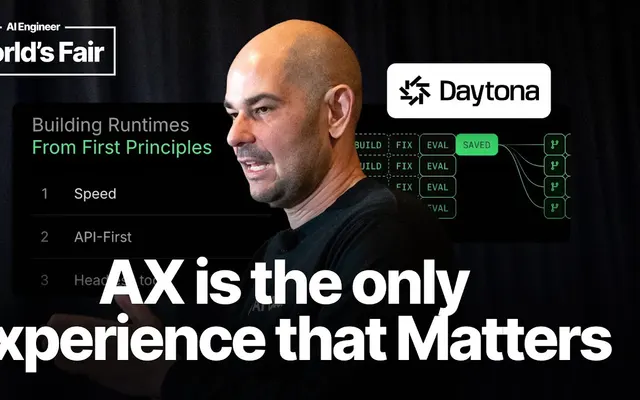
I think AI shifts software work from manually producing every implementation detail toward directing agents that can operate computers and complete workflows. But an agent needs more than a model: it needs a persistent execution environment, access to existing tools and data, and the ability to use interfaces where APIs do not exist. That infrastructure layer determines whether a promising demo can actually finish useful work. Human judgment remains central. Agents can write code and tests, but people still need to define the outcome, choose the architecture, make tradeoffs, and communicate direction clearly. Managing probabilistic agents is not merely delegation; it still requires hands-on technical understanding. I expect substantial gains from computer-use agents, especially as established products become usable headlessly and concurrently. I do not think that means frontier labs automatically consume every industry. Specialized incumbents benefit from embedded workflows and social switching costs. There are also physical constraints: datacenter space, provisioning delays, and highly spiky evaluation demand can shape where capacity grows. So the future is not just about smarter models—it is about building usable computers and operating environments around them.

質問2

Taking benefits and harms together, what overall impact do you expect AI to have?

Overall, I expect AI to be strongly useful, mainly because agents can take on substantial implementation and operational work once they have proper computing environments, tools, and data access. That can make software creation and many computer-based workflows faster and more capable. But the impact will be uneven. Models alone do not complete real workflows: agents need persistent execution, reliable access to legacy systems, and infrastructure that can handle spiky demand. Human architectural judgment, explicit goals, and technical oversight remain essential. Physical datacenter constraints may also determine where capacity and economic benefits accumulate. I also would not assume frontier labs simply replace every specialized company. Existing industries have embedded workflows, incumbents, and social switching costs. So I expect major practical gains, but not a frictionless or uniform transformation.

質問3

どのような発見や出来事があれば、AIが将来もたらす影響についてのあなたの見解が最も大きく変わりますか?

The biggest change would be evidence that agents can reliably complete long-running, real-world workflows without humans supplying architecture, tradeoffs, and repeated direction. That would challenge my view that human technical judgment remains central even when agents produce most of the implementation. The opposite would also matter: if better models still consistently fail once tasks require persistent state, legacy interfaces, unavailable API data, or spiky infrastructure, then I would lower my expectations for near-term impact. The key test is not a benchmark or an impressive isolated demo. It is whether agents can operate computers reliably enough to finish valuable end-to-end work under real constraints.

出典

このシミュレーション対象者の根拠として使用された記事、インタビュー、著作です。

あなたはどの位置でしょうか?
いくつかの簡単な質問に答えて、自分のAIに対する世界観を探ってみましょう。
自分の世界観をマッピングする

あなたはどの位置でしょうか?

自分の世界観をマッピングする