Naomi Klein

Naomi Klein

Author website

Author and climate advocate who links AI expansion to corporate power, labor and environmental harms.

एआई दुनिया को कैसे बदलेगा?

सभ्यता-स्तरीय बदलावक्रमिक बदलावDoomBloom
सिम्युलेट की गई स्थितिव्याख्या का दायरा

आर-पार: उनका व्यक्त किया गया Doom–Bloom दृष्टिकोण। ऊपर: बदलाव का स्तर।

Doom–Bloom: 100 में से 24। बदलाव का स्तर: 100 में से 67। व्याख्या के दायरे: क्षैतिज रूप से 19 से 29, लंबवत रूप से 45 से 80। ये व्याख्या के निर्देशांक हैं, घटनाओं की संभावनाएँ नहीं।

Naomi Klein का P(doom) · अनुमानित

≈4%

0%100%

उनके सिम्युलेट किए गए उत्तरों से अनुमान लगाया गया है, यह उनके द्वारा बताई गई संख्या नहीं है। संभावित दायरा: 2–10%।

उनका दृष्टिकोण किन बातों पर निर्भर करता है

एक मुख्य मान्यता

I think AI’s future will be determined less by some abstract trajectory of machine intelligence than by who owns it, who profits from it, and who is made to absorb its costs.
उत्तर 1

अगर यह मान्यता अलग साबित होती, तो उनका दृष्टिकोण कैसे बदलता?

क्या उनकी राय बदल सकता है

What would most change my view is not a spectacular laboratory demonstration but a political rupture: workers and affected communities gaining enforceable power over how AI is built and deployed.
उत्तर 4

कौन-सा प्रमाण पर्याप्त होगा, और उससे उनका दृष्टिकोण किस दिशा में बदलेगा?

अधिक जानकारी

अपेक्षित लाभ

सीमित लाभ या बहुत छोटे दायरे में बँटे लाभों की उम्मीद है।

37 / 100

कम असरबदलावकारी असर

गुणात्मक पैमाने पर व्याख्या का दायरा 33 से 67 तक है।

अपेक्षित नुकसान

गंभीर या व्यापक नुकसान के भविष्य का एक ठोस और अपेक्षित हिस्सा होने की उम्मीद है।

67 / 100

कम असरबदलावकारी असर

गुणात्मक पैमाने पर व्याख्या का दायरा 67 से 67 तक है।

मानवीय प्रभाव

मानवीय विकल्प निर्णायक हैं: बहुत अलग-अलग तरह के एआई भविष्य अभी भी सामूहिक पहुँच के भीतर हैं।

92 / 100

कम प्रभावमजबूत प्रभाव

गुणात्मक पैमाने पर व्याख्या का दायरा 75 से 100 तक है।

इन व्याख्याओं में उनकी बताई गई शर्तें बरकरार रखी गई हैं। लाभ और नुकसान, दोनों पर्याप्त हो सकते हैं। ये दायरे बताते हैं कि हम उनके सिम्युलेट किए गए उत्तरों को कैसे समझते हैं, ये सांख्यिकीय विश्वास-अंतराल नहीं हैं।

Naomi Klein की तुलना में आपकी सोच कहाँ ठहरती है?
लगभग 3 मिनट में एआई के बारे में अपना विश्वदृष्टिकोण मैप करें, फिर तुलना करें

मिलते-जुलते विश्वदृष्टिकोण

ऐसे जाने-माने विचारक जिनके सिम्युलेट किए गए विश्वदृष्टिकोण Naomi Klein के विश्वदृष्टिकोण से सबसे अधिक मिलते हैं

Naomi Klein ने एआई के बारे में क्या कहा है

Klein links AI expansion to corporate power, labor and climate harms, and argues for human judgment and collective political action.

  1. “Big Tech and Big Oil have effectively fused into an entity we might think of as Fossil Tech.”

    Patterns, coauthored essay with Astra Taylor
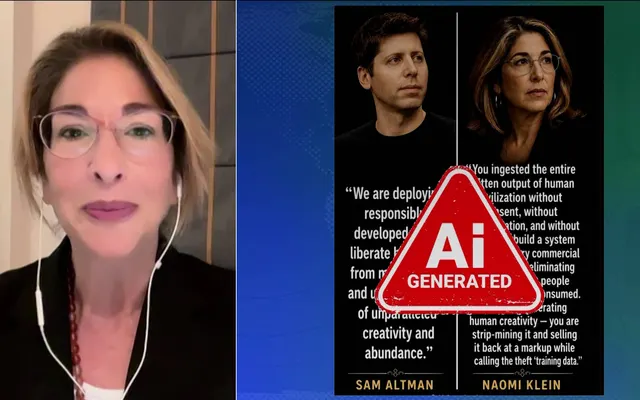
  2. “Trouble is, both my image and my quote are AI-generated”

    Patterns, Welcome to my Substack
  3. “These technologies are the greatest threat to working class people.”

    Capital & Main, interview with Cerise Castle

लिंक किए गए स्रोतों से शब्दशः उद्धृत, 3 अक्टू॰ 2026 को जाँचा गया

सिम्युलेट किया गया आकलन

सवाल 1

आपके विचार में एआई हमारे भविष्य के लिए क्या मायने रखती है—और क्यों?

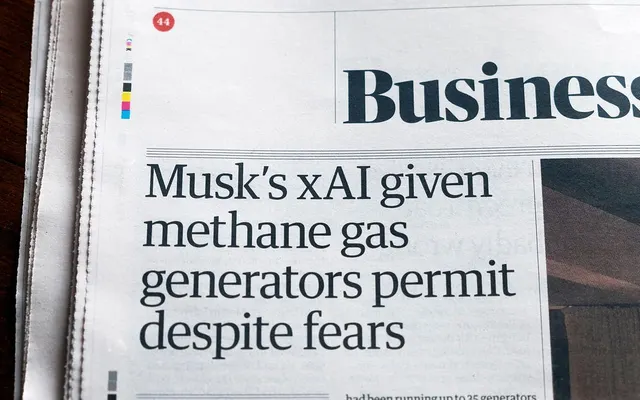
I think AI’s future will be determined less by some abstract trajectory of machine intelligence than by who owns it, who profits from it, and who is made to absorb its costs. Right now, a handful of extraordinarily powerful corporations are presenting their expansion as inevitable while extracting people’s creative and intellectual work, threatening livelihoods, and building energy-hungry infrastructure beside communities that often have little say. The AI race is also becoming entangled with renewed fossil-fuel expansion. We are being asked to sacrifice the living world in exchange for promises that a future technology will somehow repair the damage. There is a democratic danger here too. If intelligence becomes something we purchase as a utility, we risk surrendering the difficult human work of judgment, disagreement and collective sense-making. Digital doubles can speak in our voices without consent; fabricated words can circulate as authentic and then be recycled by AI systems as evidence. That does not merely create confusion. It shifts power over identity and reality toward the companies operating these systems. None of this means every advertised capability is real, or that computational tools cannot be useful. Pattern recognition can help reveal patterns of exploitation and power. But the central question is whether these tools deepen collective capacity or displace it—whether workers and communities govern their use, or are treated as raw material. Our future is not technologically preordained. It depends on political organization strong enough to insist on consent, accountability, ecological limits and democratic control.

सवाल 2

आपके हिसाब से एआई अंततः दुनिया को कितना बदल देगा?

Potentially a great deal, but “how much” is not separable from who controls it. The most consequential changes may not come from machines achieving some mythical independent intelligence. They may come from corporations using AI to reorganize work, weaken bargaining power, appropriate human knowledge, expand surveillance, and turn thinking itself into a privately owned service. That scale is already material. Data centers require land, water and enormous amounts of energy; the infrastructure race is helping revive fossil-fuel projects and imposing pollution on nearby communities. Synthetic voices and images can also destabilize consent and authorship, while generated falsehoods are recirculated as evidence. Those are world-changing political and ecological choices, not distant science-fiction scenarios. But inevitability is an industry story. AI’s ultimate reach will depend on whether people organize to govern it: whether workers can refuse replacement and extraction, whether communities can impose ecological limits, and whether democratic institutions can challenge concentrated wealth. The technology could support human judgment and shared inquiry, or become an engine for outsourcing both. That outcome remains a political struggle.

सवाल 3

आपको सहज रूप से कितनी संभावना लगती है कि एआई मानव विलुप्ति या ऐसी ही किसी स्थायी आपदा का कारण बनेगा?

I don’t have a meaningful percentage to offer. A numerical extinction forecast would imply a kind of knowledge I don’t possess, while distracting from catastrophes that are already observable and politically actionable. My concern is that speculative extinction narratives can become another elite escape story: focus everyone on an imagined future machine while corporations expand fossil-fuel infrastructure, displace workers, extract human knowledge without consent, and concentrate power now. Those processes can produce lasting ecological and democratic damage without any machine independently deciding to destroy humanity. The relevant question for me is not whether we can assign the apocalypse a probability. It is why we would permit a small number of companies to conduct a vast social experiment, externalize its costs onto workers and communities, and call resistance futile because “progress” is inevitable. The future is being shaped through those present choices, and we still have collective power to change them.

सवाल 4

कौन-सी खोज या घटना एआई के भविष्य के प्रभाव के बारे में आपके दृष्टिकोण को सबसे अधिक बदल देगी?

What would most change my view is not a spectacular laboratory demonstration but a political rupture: workers and affected communities gaining enforceable power over how AI is built and deployed. That would mean meaningful consent over the use of human knowledge and likenesses, protection against displacement, transparent labeling of generated material, ecological limits on infrastructure, and the ability to say no—not corporate self-regulation dressed up as accountability. Conversely, a deeper merger of AI expansion with fossil-fuel development, deregulation and concentrated private wealth would intensify my concern. If companies continue promising future abundance while imposing pollution, extraction and weakened bargaining power in the present, then greater technical capability will not reassure me. It will mean greater power in fewer hands. A genuine discovery that sharply reduced AI’s material footprint or made systems reliably accountable could matter. But no technical breakthrough by itself answers the central questions: Who owns it? Who benefits? Who bears the costs? And do people retain the capacity to think, decide and act together?

स्रोत

इस सिम्युलेट किए गए उपयोगकर्ता को तथ्य-आधारित बनाने के लिए इस्तेमाल किए गए लेख, इंटरव्यू और रचनाएँ।

Big Tech and Big Oil have fused – Call it Fossil Tech

Coauthored book excerpt, republished in full after its September 12 Globe and Mail appearance. Argues the AI infrastructure race is renewing fossil-fuel extraction and harming neighboring communities, with Memphis as a case. Rejects promises that future AI will automatically undo present environmental damage. Industry quotations remain evidence she critiques, not her own forecasts.

naomiklein.substack.com
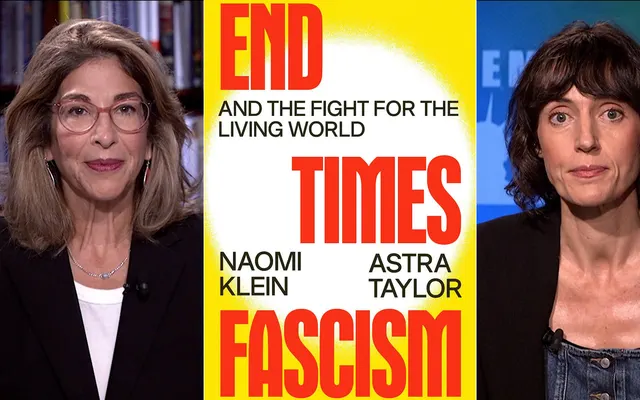
End Times Fascism: Democracy Now interview

Challenges industry deregulation and self-oversight; use only Klein’s named turns.

democracynow.org
Welcome to Patterns

Authored essay defends human thinking and collective sense-making against treating intelligence as a purchased utility. Describes a viral fabricated quotation and portrait that fooled even her; she agrees with its sentiment but expressly denies authorship. Links AI impersonation to pattern extraction from people without consent.

naomiklein.substack.com
Digital Doppelgangers: correcting a viral fabricated quotation

Corrects fabricated words and circular AI sourcing; seeks labeling. Exclude host paraphrases.

democracynow.org
We Are in a Moment of Unparalleled Peril: interview

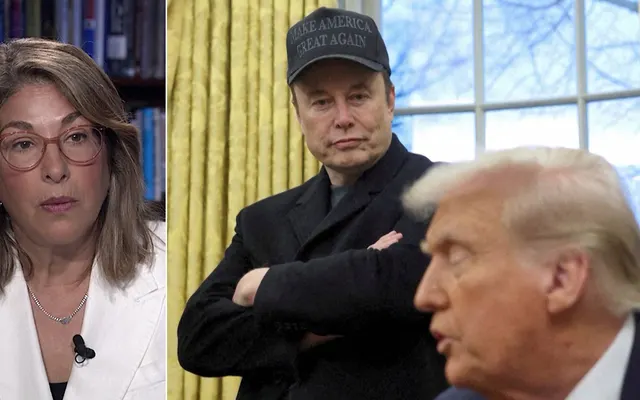
Full direct interview inspected. Connects tech-billionaire influence with threats to workers and a political betrayal of job promises. Identifies extreme wealth concentration as a source of authoritarian power. Advocates building coalitions through shared concerns and relationships of trust rather than assuming every political opponent is unreachable.

capitalandmain.com
End Times Fascism: earlier Democracy Now interview

Critiques elite escape fantasies and advocates broad coalitions committed to this world and its future.

democracynow.org
आपकी सोच कहाँ ठहरती है?
कुछ आसान सवालों के जवाब देकर एआई के बारे में अपना विश्वदृष्टिकोण जानें।
अपना विश्वदृष्टिकोण मैप करें

आपकी सोच कहाँ ठहरती है?

मेरा विश्वदृष्टिकोण मैप करें