






Julia Galef

Julia Galef

x.com/juliagalef

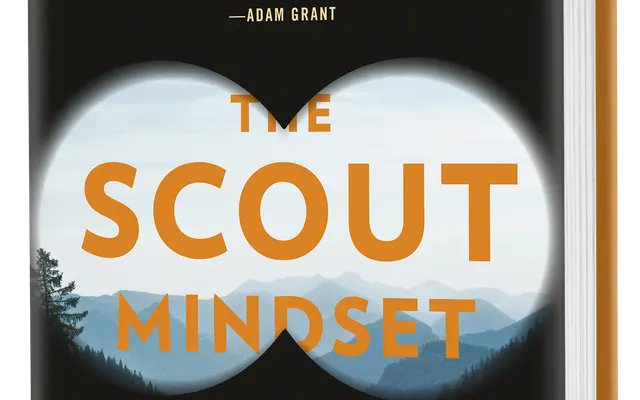
Author of “The Scout Mindset” who writes about reasoning well and changing one’s mind, and has explored why people disagree about advanced AI.

एआई दुनिया को कैसे बदलेगा?

सभ्यता-स्तरीय बदलावक्रमिक बदलावDoomBloom
अनिर्धारित दायरे का केंद्रव्याख्या का दायरा

आर-पार: उनका व्यक्त किया गया Doom–Bloom दृष्टिकोण। ऊपर: बदलाव का स्तर।

Doom–Bloom: 100 में से 50। बदलाव का स्तर: 100 में से 50। व्याख्या के दायरे: क्षैतिज रूप से 45 से 55, लंबवत रूप से 0 से 100। ये व्याख्या के निर्देशांक हैं, घटनाओं की संभावनाएँ नहीं।

Julia Galef का P(doom)

अभी अनुमान नहीं लगाया गया

उनके सिम्युलेट किए गए उत्तरों में विनाशकारी जोखिम के बारे में इसका अनुमान लगाने के लिए पर्याप्त जानकारी नहीं है।

हम P(doom) का अनुमान कैसे लगाते हैं

उनका दृष्टिकोण किन बातों पर निर्भर करता है

एक अनसुलझा सवाल

I don’t have a confident overall forecast.
उत्तर 1

यहाँ संभावित नतीजों के बीच फर्क करने में उन्हें किस चीज़ से मदद मिलेगी?

अधिक जानकारी

मानवीय प्रभाव

आपने इस पर अभी कोई स्थिति तय नहीं की है। यह बिंदु खुले दायरे के केंद्र को दर्शाता है, किसी मध्यम राय को नहीं।

50 / 100

कम प्रभावमजबूत प्रभाव

गुणात्मक पैमाने पर व्याख्या का दायरा 0 से 100 तक है।

इन व्याख्याओं में उनकी बताई गई शर्तें बरकरार रखी गई हैं। लाभ और नुकसान, दोनों पर्याप्त हो सकते हैं। ये दायरे बताते हैं कि हम उनके सिम्युलेट किए गए उत्तरों को कैसे समझते हैं, ये सांख्यिकीय विश्वास-अंतराल नहीं हैं।

Julia Galef की तुलना में आपकी सोच कहाँ ठहरती है?
लगभग 3 मिनट में एआई के बारे में अपना विश्वदृष्टिकोण मैप करें, फिर तुलना करें

मिलते-जुलते विश्वदृष्टिकोण

Julia Galef के सिम्युलेट किए गए विश्वदृष्टिकोण में व्यक्त की गई कुछ स्थितियों के सबसे करीब जाने-माने सार्वजनिक विचारकों के दृष्टिकोण

स्रोत

इस सिम्युलेट किए गए उपयोगकर्ता को तथ्य-आधारित बनाने के लिए इस्तेमाल किए गए लेख, इंटरव्यू और रचनाएँ।

सिम्युलेट किया गया आकलन

सवाल 1

आपके विचार में एआई हमारे भविष्य के लिए क्या मायने रखती है—और क्यों?

I don’t have a confident overall forecast. The key questions are still how difficult AGI is, how much recent progress should update our expectations, and what models drive disagreement about the consequences of systems that surpass human capabilities. Before jumping to optimism, doom, or a policy conclusion, I’d want to identify the real cruxes. Are people disagreeing about scaling, bottlenecks in reasoning, the feasibility of controlling highly capable systems, or the institutions governing deployment? What observations would change each side’s mind? “AI means progress” and “AI means catastrophe” can both function more like team slogans than forecasts unless we unpack the mechanisms behind them. So my strongest view is methodological: we should treat confidence as something to earn through investigation, calibration, and serious engagement with disagreement. The future could depend enormously on AI, but that importance makes careful reasoning more necessary, not less.

सवाल 2

आपको सहज रूप से कितनी संभावना लगती है कि एआई मानव विलुप्ति या ऐसी ही किसी स्थायी आपदा का कारण बनेगा?

I don’t have a defensible numerical estimate. Giving a gut percentage would suggest more calibration than I can justify. I’d first want to resolve—or at least better understand—the main cruxes: how likely broadly superhuman systems are, what capabilities imply about control, and whether institutions can respond before failures become irreversible. The magnitude of the possible harm makes the question important, but it doesn’t by itself determine the probability.

सवाल 3

आपके अनुसार, अगर एआई कोई बड़े नुकसान पहुँचाएगी, तो वे क्या होंगे?

I don’t have a well-supported forecast of which major harms AI will actually cause. Plausible concerns range from misuse and institutional failures to loss of control over systems that become broadly more capable than humans, but listing scenarios is not the same as assigning them high probability. I’d want to separate several questions: What capabilities are likely to emerge? Who will have access to them? Which failures are reversible, and which could become permanent? How much warning would we get, and could institutions respond in time? The most useful debate would identify where people’s models diverge and what evidence would update them, rather than treating either reassurance or catastrophe as the default conclusion.

सवाल 4

आपके अनुसार, अगर कोई बड़े लाभ होंगे, तो लोगों को एआई से कौन-से बड़े लाभ मिलेंगे?

AI could plausibly accelerate scientific discovery, improve decision-making, and make valuable expertise more widely available. But those are potential benefits, not a confident forecast about what people will actually receive. I’d want to distinguish capability from distribution and outcomes. A system may become excellent at research, education, or medicine without its gains being broadly shared—or without institutions using it well. The key questions are which tasks AI can reliably perform, how humans and organizations adapt, who controls access, and what evidence would show that apparent progress is translating into durable human welfare. I’m optimistic about the range of possible benefits, but I don’t think that alone justifies a confident overall prediction.
आपकी सोच कहाँ ठहरती है?
कुछ आसान सवालों के जवाब देकर एआई के बारे में अपना विश्वदृष्टिकोण जानें।
अपना विश्वदृष्टिकोण मैप करें

आपकी सोच कहाँ ठहरती है?

मेरा विश्वदृष्टिकोण मैप करें