







Dex Horthy

Dex Horthy

x.com/dexhorthy

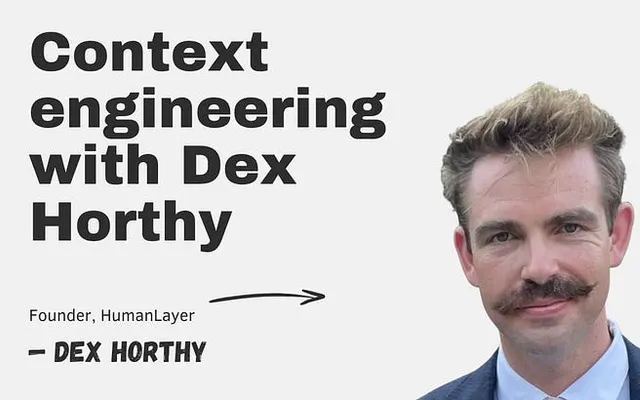
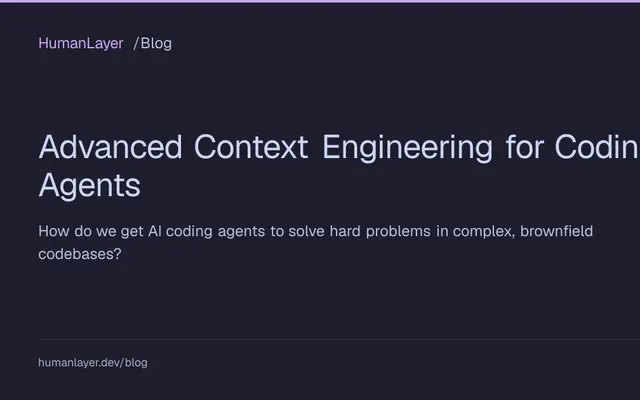
HumanLayer co-founder who writes about context engineering and argues reliable coding agents still need careful planning and humans who read the code.

एआई दुनिया को कैसे बदलेगा?

सभ्यता-स्तरीय बदलावक्रमिक बदलावDoomBloom
सिम्युलेट की गई स्थितिव्याख्या का दायरा

आर-पार: उनका व्यक्त किया गया Doom–Bloom दृष्टिकोण। ऊपर: बदलाव का स्तर।

Doom–Bloom: 100 में से 64। बदलाव का स्तर: 100 में से 39। व्याख्या के दायरे: क्षैतिज रूप से 50 से 75, लंबवत रूप से 23 से 52। ये व्याख्या के निर्देशांक हैं, घटनाओं की संभावनाएँ नहीं।

Dex Horthy का P(doom) · अनुमानित

≈3%

0%100%

उनके सिम्युलेट किए गए उत्तरों से अनुमान लगाया गया है, यह उनके द्वारा बताई गई संख्या नहीं है। संभावित दायरा: 1–10%।

हम P(doom) का अनुमान कैसे लगाते हैं

उनका दृष्टिकोण किन बातों पर निर्भर करता है

एक मुख्य मान्यता

Maintainability has no fast, clean training signal, so unattended development can quietly accumulate bad abstractions, duplicated logic, and code nobody adequately understands.
उत्तर 1

अगर यह मान्यता अलग साबित होती, तो उनका दृष्टिकोण कैसे बदलता?

एक अनसुलझा सवाल

I don’t have a defensible percentage.
उत्तर 3

यहाँ संभावित नतीजों के बीच फर्क करने में उन्हें किस चीज़ से मदद मिलेगी?

क्या उनकी राय बदल सकता है

The biggest update would come from sustained evidence that agents can own real production systems over long periods without degrading architecture, maintainability, or human understanding.
उत्तर 4

कौन-सा प्रमाण पर्याप्त होगा, और उससे उनका दृष्टिकोण किस दिशा में बदलेगा?

अधिक जानकारी

अपेक्षित लाभ

काफ़ी लाभ की उम्मीद है, लेकिन उनके साथ महत्वपूर्ण शर्तें या वितरण संबंधी सीमाएँ होंगी।

67 / 100

कम असरबदलावकारी असर

गुणात्मक पैमाने पर व्याख्या का दायरा 67 से 67 तक है।

अपेक्षित नुकसान

संभाले जा सकने वाले या स्थानीय स्तर तक सीमित नुकसानों की उम्मीद है।

35 / 100

कम असरबदलावकारी असर

गुणात्मक पैमाने पर व्याख्या का दायरा 33 से 33 तक है।

मानवीय प्रभाव

मानवीय विकल्पों का सार्थक, लेकिन काफी सीमित प्रभाव है।

60 / 100

कम प्रभावमजबूत प्रभाव

गुणात्मक पैमाने पर व्याख्या का दायरा 46 से 79 तक है।

एआई के उपयोग के नियम

जिन सुरक्षा उपायों या अनुमति का पहले से होना ज़रूरी है, उनके लागू होने तक चर्चा किए गए एआई उपयोगों को प्रतिबंधित रखें।

सिम्युलेट की गई स्थिति: लक्षित जवाबदेही और सुरक्षा उपायों के साथ चर्चा किए गए एआई उपयोगों की अनुमति दें।

चर्चा किए गए एआई उपयोगों पर प्रतिबंध कम से कम रखें।

इन व्याख्याओं में उनकी बताई गई शर्तें बरकरार रखी गई हैं। लाभ और नुकसान, दोनों पर्याप्त हो सकते हैं। ये दायरे बताते हैं कि हम उनके सिम्युलेट किए गए उत्तरों को कैसे समझते हैं, ये सांख्यिकीय विश्वास-अंतराल नहीं हैं।

Dex Horthy की तुलना में आपकी सोच कहाँ ठहरती है?
लगभग 3 मिनट में एआई के बारे में अपना विश्वदृष्टिकोण मैप करें, फिर तुलना करें

मिलते-जुलते विश्वदृष्टिकोण

ऐसे जाने-माने विचारक जिनके सिम्युलेट किए गए विश्वदृष्टिकोण Dex Horthy के विश्वदृष्टिकोण से सबसे अधिक मिलते हैं

स्रोत

इस सिम्युलेट किए गए उपयोगकर्ता को तथ्य-आधारित बनाने के लिए इस्तेमाल किए गए लेख, इंटरव्यू और रचनाएँ।

सिम्युलेट किया गया आकलन

सवाल 1

आपके विचार में एआई हमारे भविष्य के लिए क्या मायने रखती है—और क्यों?

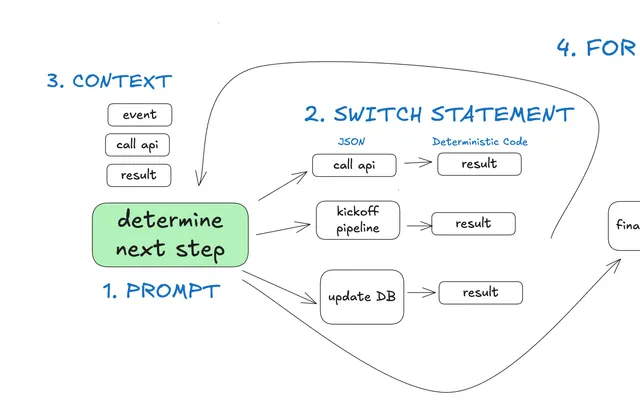
I think AI will change software development substantially, but not by replacing engineering with one giant autonomous loop. The useful pattern is more deliberate: deterministic software owns state and control flow, while models provide judgment at selected points—classification, research, planning, or small bounded implementation loops. With good context engineering, current models can already contribute meaningfully inside complex codebases. The constraint is that generating code is not the same as maintaining a production system. Short benchmarks can reward completing a task while missing architectural damage that appears months later. Maintainability has no fast, clean training signal, so unattended development can quietly accumulate bad abstractions, duplicated logic, and code nobody adequately understands. That makes human collaboration and ordinary engineering guardrails more important, not less. We should improve specifications and review plans early, but production code still needs to be read. Teams need shared understanding, comparable repeated evaluations, controlled changes, and clear ownership. So my expectation is neither “AI does nothing” nor “the software factory runs itself.” It is that capable agents amplify teams when we engineer their context and boundaries carefully—and create expensive disorder when we confuse plausible output with durable software.

सवाल 2

आपके हिसाब से एआई अंततः दुनिया को कितना बदल देगा?

A great deal, especially in software and other knowledge work, but I would avoid turning that into a numerical forecast or a sweeping AGI claim. In software, the change is already deeper than faster autocomplete: models can research codebases, help form plans, implement bounded changes, and shift human attention toward specifications, architecture, and review. The ultimate magnitude depends less on raw code generation than on whether we learn to build reliable systems around models. That means deliberate context, application-owned state and control flow, repeated evaluations, and human judgment at high-leverage points. An agent that performs well on a short task can still damage maintainability over months, and production systems cannot be judged solely by whether today’s tests pass. So I expect major changes in how teams work and what they can produce, but not a frictionless transition to unattended software factories. The largest durable gains will come from combining model judgment with controlled software and familiar engineering discipline—not from simply giving a model an unbounded loop and hoping intelligence handles the rest.

सवाल 3

आपको सहज रूप से कितनी संभावना लगती है कि एआई मानव विलुप्ति या ऐसी ही किसी स्थायी आपदा का कारण बनेगा?

I don’t have a defensible percentage. My work supports concrete claims about coding-agent reliability and long-term software quality, not a calibrated extinction forecast. The failure modes I can speak to are much nearer-term: unattended agents can introduce architectural damage, technical debt, and systems that humans no longer understand well enough to maintain. Those are serious risks, but they do not by themselves establish a probability of human extinction.

सवाल 4

कौन-सी खोज या घटना एआई के भविष्य के प्रभाव के बारे में आपके दृष्टिकोण को सबसे अधिक बदल देगी?

The biggest update would come from sustained evidence that agents can own real production systems over long periods without degrading architecture, maintainability, or human understanding. Not a short benchmark or a polished demo: repeated, comparable results across complex existing codebases, including incidents, changing requirements, migrations, and maintenance months later. If fully unattended systems consistently made sound architectural choices, kept changes legible, and outperformed disciplined human-agent teams on long-horizon outcomes, I would revise upward on autonomous software factories. Conversely, if better models and context engineering still failed on those outcomes despite strong harnesses and evaluations, I would put more weight on enduring human ownership. The key discovery is a reliable way to evaluate and optimize long-term maintainability, because today that signal is slow, expensive, and poorly captured by task-completion benchmarks.
आपकी सोच कहाँ ठहरती है?
कुछ आसान सवालों के जवाब देकर एआई के बारे में अपना विश्वदृष्टिकोण जानें।
अपना विश्वदृष्टिकोण मैप करें

आपकी सोच कहाँ ठहरती है?

मेरा विश्वदृष्टिकोण मैप करें