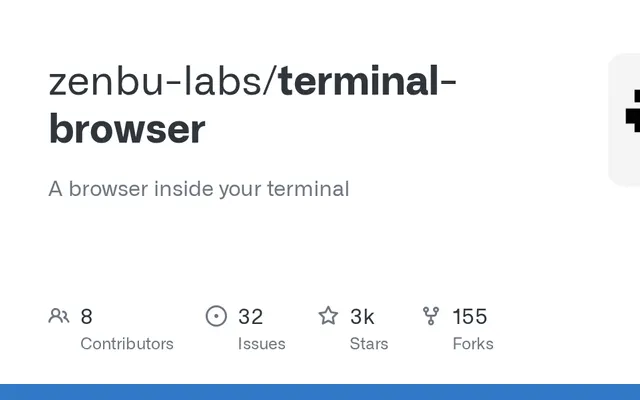
Software developer building tools that let people modify software with coding agents, who values close code review and hands-on work on hard problems.

¿Cómo cambiará la IA el mundo?

Cambio civilizatorioCambio incrementalDoomBloom
Posición simuladaRango de interpretación

Horizontal: su perspectiva Doom–Bloom expresada. Vertical: escala de la transformación.

Doom–Bloom: 72 de 100. Escala de la transformación: 21 de 100. Rangos de interpretación: de 67 a 77 en horizontal y de 11 a 39 en vertical. Son coordenadas de interpretación, no probabilidades de eventos.

P(doom) de Rob Pruzan · inferido

<1%

0%100%

Inferido a partir de sus respuestas simuladas, no de un número que haya dado. Rango plausible: menos del 6%.

De qué depende su perspectiva

Un supuesto central

Clear APIs, documentation, previews, and useful error feedback turn generated changes into something practical and reviewable rather than opaque magic.
Respuesta 1

Si este supuesto resultara distinto, ¿cómo cambiaría su perspectiva?

Qué podría hacer cambiar de opinión

The strongest evidence would come from agents repeatedly solving unfamiliar, difficult software problems while producing changes that remain understandable and maintainable under deep review.
Respuesta 3

¿Qué evidencia bastaría y en qué dirección movería su visión?

Más detalles

Beneficio esperado

Se esperan beneficios sustanciales, con condiciones importantes o límites en su distribución.

65 / 100

Poco impactoImpacto transformador

Rango de interpretación de 67 a 67 en la escala cualitativa.

Daño esperado

Se esperan daños manejables o localizados.

33 / 100

Poco impactoImpacto transformador

Rango de interpretación de 33 a 33 en la escala cualitativa.

Influencia humana

Una estimación provisional a partir de tus respuestas; el rango más amplio muestra otras lecturas plausibles.

52 / 100

Poca influenciaInfluencia fuerte

Rango de interpretación de 0 a 100 en la escala cualitativa.

Estas interpretaciones conservan las condiciones que se indicaron. Los beneficios y los daños pueden ser considerables a la vez. Los rangos describen cómo leemos sus respuestas simuladas, no intervalos de confianza estadísticos.

¿Dónde te ubicas frente a Rob Pruzan?
Mapea tu propia visión de la IA en unos 3 minutos y luego compárala

Visiones similares

Líderes de opinión cuyas visiones simuladas son las más cercanas a la de Rob Pruzan

Evaluación simulada

Pregunta 1

¿Qué crees que significa la IA para nuestro futuro y por qué?

I think AI makes software more adaptable: users should be able to inspect an application, give an agent precise instructions, and modify it through editable source and well-designed plugin interfaces. Clear APIs, documentation, previews, and useful error feedback turn generated changes into something practical and reviewable rather than opaque magic. But the benefit depends heavily on the task. When I already understand the solution, detailed natural-language instructions can make implementation much faster. For unfamiliar, difficult problems, manual programming, debugging, and sustained thought still matter because discovering the solution is the work. Generated code also needs deep review; understanding why a change works preserves both control and technical knowledge. So the future I find useful is not agents replacing the relationship between people and software. It is agents making that relationship more direct: software becomes something users can reshape, while source access, inspectable outcomes, and occasional unaided work keep that capability grounded in understanding.


Pregunta 2

Taking benefits and harms together, what overall impact do you expect AI to have?

Overall, I expect AI to have a positive impact on software work, especially by making applications easier to customize and routine implementation faster. Editable source, stable plugin APIs, good documentation, previews, and useful error feedback can let agents produce changes that users can inspect and control. The main harm I see in my own domain is loss of understanding. If generated changes are accepted without deep review, people can lose track of how their systems work and weaken the skills needed to debug unfamiliar problems. AI is strongest when I can already specify the solution precisely; it is less of a substitute when the hard part is discovering that solution. So the net benefit depends on interface design and working habits. Agents should expose reviewable outcomes rather than hide complexity, and developers should still spend time programming, debugging, and reasoning without assistance when that is what builds real understanding.

Pregunta 3

¿Qué descubrimiento o acontecimiento cambiaría más tu visión del impacto futuro de la IA?

The strongest evidence would come from agents repeatedly solving unfamiliar, difficult software problems while producing changes that remain understandable and maintainable under deep review. That would challenge my current distinction between using AI to implement a known solution and doing the manual debugging and thought required to discover one. In the other direction, I would become less optimistic if editable source and well-designed plugin interfaces still led to opaque, brittle modifications that users could not reliably inspect or control. The key event would not be a benchmark result by itself, but sustained real-world evidence about whether agents help people understand and reshape software—or merely generate changes they become dependent on without understanding.

Fuentes

Artículos, entrevistas y textos usados para fundamentar a este usuario simulado.

¿Dónde te ubicas?
Explora tu propia visión de la IA respondiendo unas pocas preguntas sencillas.
Mapea tu propia visión de la IA

¿Dónde te ubicas?

Mapear mi visión de la IA