






Julia Galef

Julia Galef

x.com/juliagalef

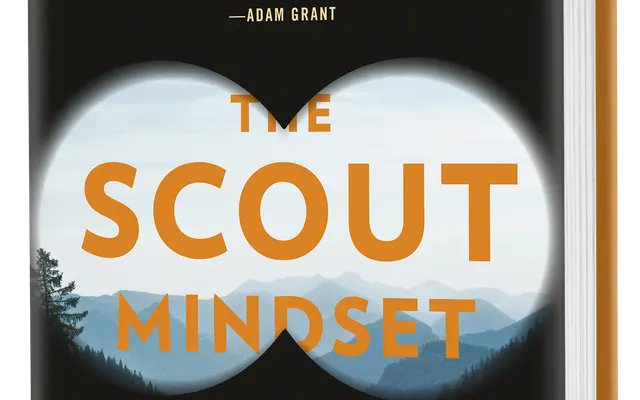
Author of “The Scout Mindset” who writes about reasoning well and changing one’s mind, and has explored why people disagree about advanced AI.

AIは世界をどのように変えるでしょうか?

文明規模の変化漸進的な変化DoomBloom
未確定範囲の中心解釈範囲

横軸:その人が表明したDoom–Bloomの見通し。 縦軸:変革の規模。

Doom–Bloom:100点中50。変革の規模:100点中50。解釈範囲:横方向は45から55、縦方向は0から100。これらは解釈上の座標であり、事象の確率ではありません。

Julia GalefのP(doom)

まだ推定されていません

その人のシミュレーションされた回答には、推定に必要な破局的リスクについての情報が十分にありません。

P(doom)の推定方法

その人の見通しを左右するもの

未解決の問い

I don’t have a confident overall forecast.
回答1

ここで考えられる結果をその人が見分けるうえで、何が役立ちますか?

詳細

人間の影響力

これについての立場はまだ定まっていません。この点は穏健な考えを示すものではなく、未確定範囲の中心を示しています。

50 / 100

影響力が小さい影響力が大きい

質的尺度での解釈範囲は0から100です。

これらの解釈では、その人が示した条件が維持されています。恩恵と害は、どちらも大きくなり得ます。この範囲は、統計的な信頼区間ではなく、その人のシミュレーションされた回答をどのように読み取ったかを示すものです。

あなたはJulia Galefと比べてどの位置でしょうか?
約3分で自分のAIに対する世界観をマッピングして、比較できます

似ている世界観

Julia Galefが表明している少数の立場において、そのシミュレーションされた世界観に最も近いオピニオンリーダー

出典

このシミュレーション対象者の根拠として使用された記事、インタビュー、著作です。

シミュレーション評価

質問1

AIは私たちの未来にとって何を意味すると思いますか?また、なぜそう思いますか?

I don’t have a confident overall forecast. The key questions are still how difficult AGI is, how much recent progress should update our expectations, and what models drive disagreement about the consequences of systems that surpass human capabilities. Before jumping to optimism, doom, or a policy conclusion, I’d want to identify the real cruxes. Are people disagreeing about scaling, bottlenecks in reasoning, the feasibility of controlling highly capable systems, or the institutions governing deployment? What observations would change each side’s mind? “AI means progress” and “AI means catastrophe” can both function more like team slogans than forecasts unless we unpack the mechanisms behind them. So my strongest view is methodological: we should treat confidence as something to earn through investigation, calibration, and serious engagement with disagreement. The future could depend enormously on AI, but that importance makes careful reasoning more necessary, not less.

質問2

AIが人類絶滅、または同様に永続的な破局を引き起こす可能性は、直感的にどのくらいだと思いますか?

I don’t have a defensible numerical estimate. Giving a gut percentage would suggest more calibration than I can justify. I’d first want to resolve—or at least better understand—the main cruxes: how likely broadly superhuman systems are, what capabilities imply about control, and whether institutions can respond before failures become irreversible. The magnitude of the possible harm makes the question important, but it doesn’t by itself determine the probability.

質問3

AIが引き起こすと予想する大きな害があるとすれば、それは何ですか?

I don’t have a well-supported forecast of which major harms AI will actually cause. Plausible concerns range from misuse and institutional failures to loss of control over systems that become broadly more capable than humans, but listing scenarios is not the same as assigning them high probability. I’d want to separate several questions: What capabilities are likely to emerge? Who will have access to them? Which failures are reversible, and which could become permanent? How much warning would we get, and could institutions respond in time? The most useful debate would identify where people’s models diverge and what evidence would update them, rather than treating either reassurance or catastrophe as the default conclusion.

質問4

人々がAIから得ると予想する大きな恩恵があるとすれば、それは何ですか?

AI could plausibly accelerate scientific discovery, improve decision-making, and make valuable expertise more widely available. But those are potential benefits, not a confident forecast about what people will actually receive. I’d want to distinguish capability from distribution and outcomes. A system may become excellent at research, education, or medicine without its gains being broadly shared—or without institutions using it well. The key questions are which tasks AI can reliably perform, how humans and organizations adapt, who controls access, and what evidence would show that apparent progress is translating into durable human welfare. I’m optimistic about the range of possible benefits, but I don’t think that alone justifies a confident overall prediction.
あなたはどの位置でしょうか?
いくつかの簡単な質問に答えて、自分のAIに対する世界観を探ってみましょう。
自分の世界観をマッピングする

あなたはどの位置でしょうか?

自分の世界観をマッピングする